

UN warns humanitarian aid cuts leave millions of children vulnerable to hunger in Somalia – JURIST
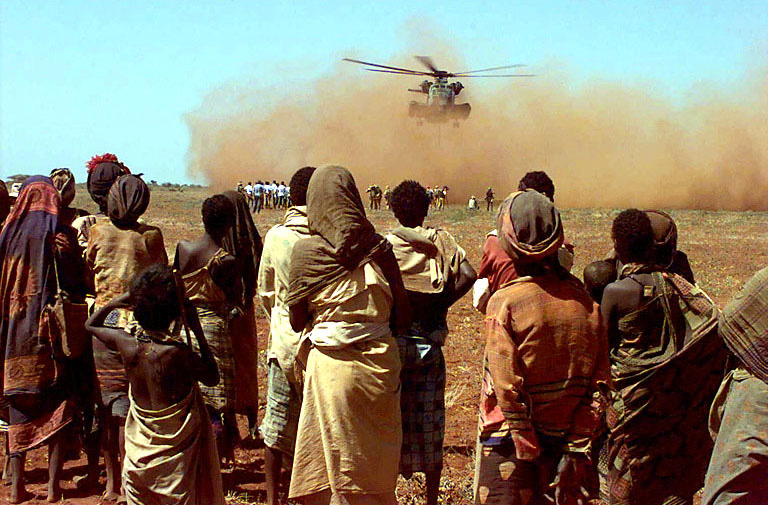
The UN warned on Friday that the global decrease in funding for humanitarian aid has forced aid programmes and facilities in Somalia to shut down and is resulting in increasingly severe consequences for Somali children.
According to the UN Children’s Fund (UNICEF)’s spokesperson, James Elder, aid cuts closed doors to healthcare and deprived people, including children, of access to water and education. The UN reported that the unprecedented cuts in humanitarian aid have led over 200 health and nutrition facilities to close in Somalia, which has contributed to a 32 percent increase in Somali children admitted to stabilisation centres with severe acute malnutrition. The UN stressed that the reason behind this increase is not due to the fact that more children are getting sick but rather to the loss of access to preventive and community-based nutrition services.
Furthermore, the UN highlighted that these funding cuts come at a critical time for Somalia, where humanitarian needs continue to escalate due to ongoing armed conflict and the impacts of El Niño. Based on UN projections, nearly 1.9 million children in Somalia are expected to be affected by malnutrition, with almost half a million expected to experience the severe acute form, amid persistent armed conflict, displacement, and extreme food insecurity in the region.
On the other hand, Somalia is also undergoing severe droughts in the north, while also preparing for extreme flooding caused by El Nino weather pattern, which will further hinder agriculture and food access.
Nevertheless, the UN stressed that its aid programmes can improve the humanitarian situation in Somalia only if adequate funding is available, emphasizing that the agency would not be able to keep up its humanitarian response under current financial constraints.
In July 2026, five UN agencies reported that Africa had the highest hunger rate in the world in contrast to other continents where hunger and malnutrition rates have steadily declined. They also pointed out that the drivers of the persistent hunger crisis in Africa, including Somalia, are political instability and climate change. In February, the UN warned that the hunger levels have risen in Somalia, putting the lives of millions of children at risk due to malnutrition.
Additionally, Somalia experienced severe drought from 2020 to 2023 and is ranked as one of the most vulnerable countries to climate change in the world, with projections indicating that it will experience more extreme weather events in the future. These conditions not only exacerbate the hunger crisis but also impact the conflict between the military forces and insurgent armed group Al-Shabaab, given that the latter exploits harsh humanitarian conditions and water shortages to assert control over the territory and the population.
Credit: Source link