

Radically Collective: The Legacy of Cuba’s Microbrigadas Housing Program
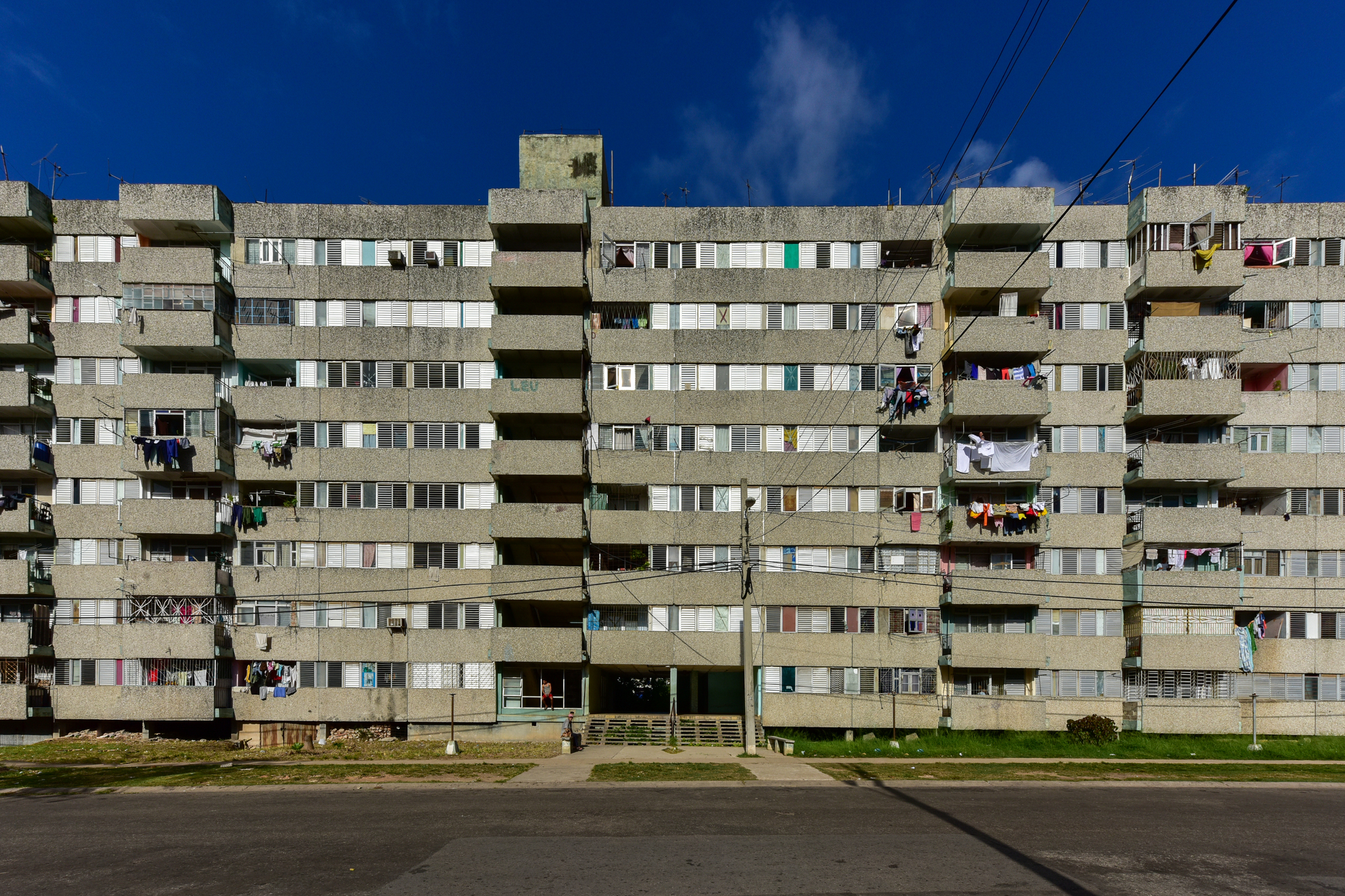
In the 1970s, Cuba faced a severe nationwide housing shortage due to population growth, rural-to-urban migration, and the degradation of existing housing stock. The government’s answer was a system that pulled ordinary workers off their regular jobs and put them on building sites instead. This program, known as the Microbrigadas (microbrigades), reshaped entire districts of Havana, where they combined collective self-construction and state-backed technical knowledge, which left a mark on the urban grid of its capital city that persists until today.
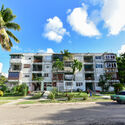
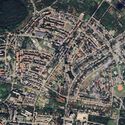
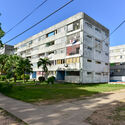
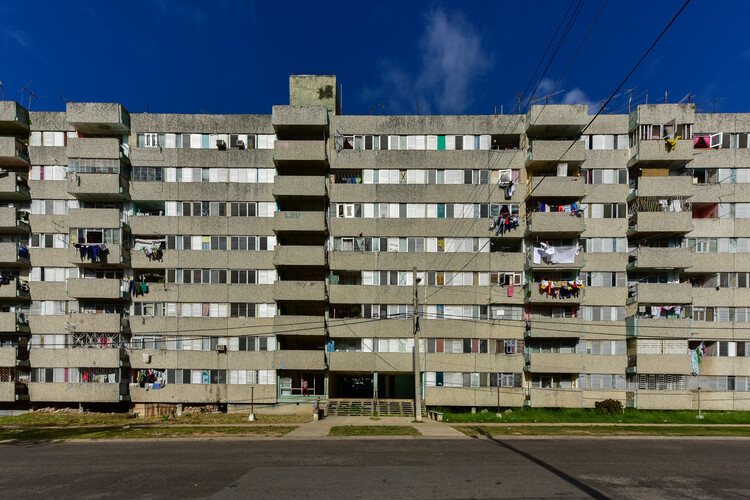
A Microbrigada was a residential apartment building constructed by factory and office workers rather than professional construction laborers. Workplaces sent a mix of skilled mechanics, administrative staff, or general laborers into the field. To ensure overall structural integrity, the state assigned a small team of professional architects, structural engineers, and master builders to oversee each site, train the workers, and ensure structural stability. The reassigned workers then spent their time building apartment blocks, while their colleagues who stayed at the offices and factories absorbed their duties. A process known as “esfuerzo colectivo” or collective effort.
