

Nigerian sugar industry gets $1 billion investment push to cut import dependence
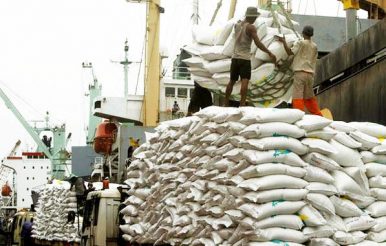
The National Sugar Development Council (NSDC) has mobilised an investment pipeline worth more than $1 billion to boost local sugar production and reduce Nigeria’s dependence on imports, reported the Guardian. Imports currently account for most of the country’s annual sugar consumption of about 1.8 million metric tonnes.
The pipeline includes a $1 billion engineering, procurement and construction (EPC)-plus-finance partnership with China’s SINOMACH and a 10 billion naira Sugar Project Acceleration Fund established with the Bank of Industry (BoI) to prepare greenfield sugar estates for investment under the Backward Integration Programme (BIP).

NSDC Executive Secretary Kamar Bakrin disclosed the plans when he received the Abuja Chapter of the Chartered Institute of Directors (CIoD) at the council’s headquarters, according to the Guardian.
Bakrin said the Nigeria Sugar Master Plan (NSMP) 2.0 targets local production of about two million tonnes a year, a level that would exceed current domestic demand.
He said the industry’s main challenge was not a lack of policies but poor implementation. On enforcement, Bakrin said the council had restructured its Backward Integration Programme around four principles: qualify, reward, verify, and enforce.
Companies seeking import quotas must demonstrate their commitment to backward integration, while major sugar refiners are required to submit audited production targets linked to their quotas, he said.
The council is also deploying satellite imagery alongside physical inspections to verify activities on sugar estates, reducing its reliance on self-reporting by companies, Bakrin said.
Beyond sugar production, he said the NSDC was positioning sugarcane as the foundation of a wider bio-industrial value chain involving ethanol, animal feed and power generation. The council is also partnering with Afreximbank and the Nigeria Governors’ Forum to accelerate the development of sugar estates across states.
Under the Sugarcane Outgrower Development Programme (SODP), each estate would be required to allocate land to smallholder farmers and commit part of its investment to host communities, Bakrin said.
He cited Brazil’s sugar industry as an example of how strong institutions and consistent execution could drive sectoral development, saying the country’s success was not based solely on its agricultural advantages.
Fatima Nana Mede, leader of the CIoD delegation, commended the council’s reforms and expressed the institute’s readiness to collaborate with the NSDC, particularly in strengthening corporate governance across sugar estates, mills and outgrower companies.
The proposed investment pipeline and production target, however, will depend on the ability of the SINOMACH partnership and the BoI fund to translate into operational sugar estates, as well as sustained enforcement of backward integration requirements for companies benefiting from import quota privileges.

Credit: Source link