

Guinea-Bissau Votes on Referendum to Give President More Powers
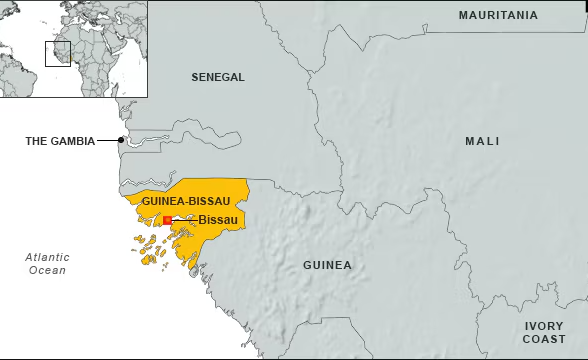
Voters in military-run Guinea-Bissau are set to vote in a referendum on a proposed new constitution that would significantly strengthen presidential powers ahead of general elections scheduled for December.
The reforms would replace the parliamentary system with a presidential one, allowing the head of state to appoint and dismiss the prime minister and government and dissolve parliament. The junta says the changes are necessary to stabilise the country’s institutions before civilian rule is restored, but the opposition has urged voters to boycott the referendum, citing restrictions on public freedoms.
The vote comes less than a year after the military seized power following a presidential election, adding to Guinea-Bissau’s long history of coups and political instability.
-
The coup in Guinea-Bissau “feels less like a classic overthrow and more like a political stunt wrapped in military theatre”, writes Daniel T. Makokera in an AllAfrica guest column. There is “a growing belief that the crisis may have been an inside job,” he says – “a carefully managed confrontation used to settle scores, sideline opponents, or reassert control over institutions slipping from the
-
![Guinea-Bissau has been wracked by numerous coups since declaring independence from Portugal in 1973.]()
Guinea-Bissau’s military has sworn in General Horta Nta Na Man as transitional president and announced a one-year interim administration. This comes a day after senior officers said they had deposed President Umaro Sissoco Embalo, halted the election process, and formed the “High Military Command for the Restoration of Order.”
His main rival, Fernando Dias, claimed the

Map of Guinea-Bissau.
Credit: Source link