

EU bans Brazilian beef but UK government criticized for not following the lead
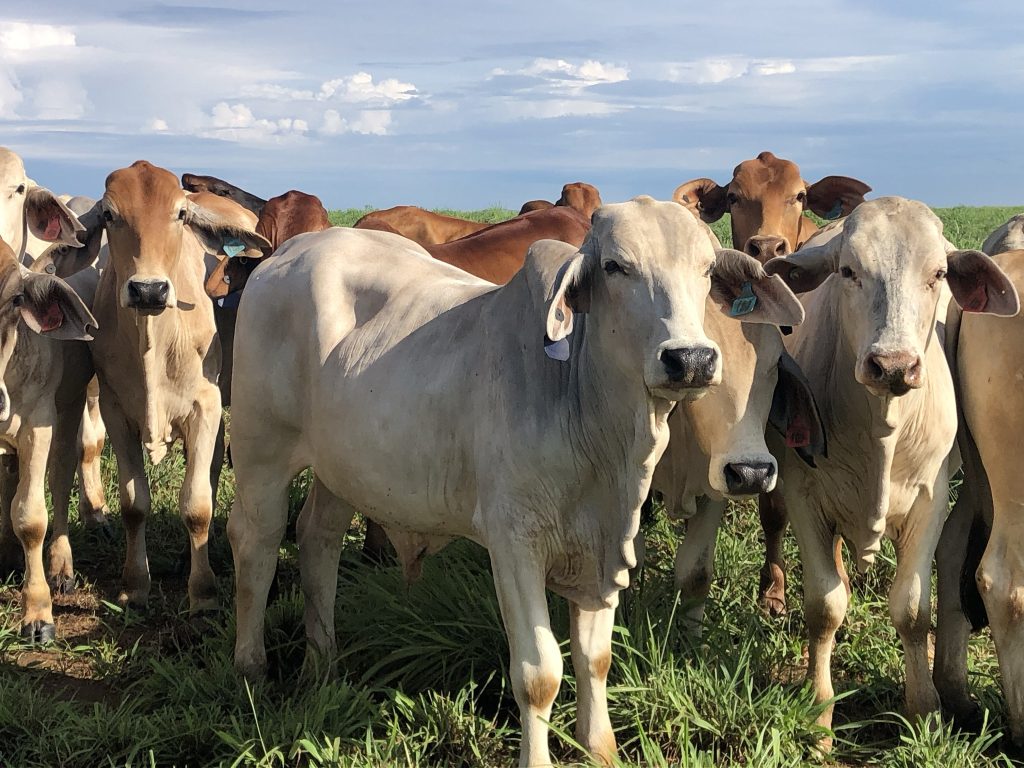
Brazil-RFP-090726
European farmers are celebrating a huge win as the EU has banned beef and poultry from Brazil on Sept. 3 due to a lack of assurances over health and welfare regulations.
The European Commission cited the main concerns were over Brazil’s compliance with EU rules on antibiotic use in livestock, which has effectively saw beef, poultry, eggs and honey banned.
However, there is huge concern among UK farmers that any surplus Brazilian beef might end up in their region, causing an even further strain on beef prices.
With no sufficient guarantees from Brazil that its exports would meet EU standards, the commission felt it had no choice but to implement the ban.
“Brazil will no longer be authorized to export to the Union food-producing animals and products of animal origin intended for human consumption,” a commission spokesman said.
Farmers’ lobby groups have welcomed the news across the EU but some have warned there are significant tonnage of Brazilian imports sitting in the system awaiting delivery.
ANTIBIOTIC USE
It was back in May that the EU added Brazil to a list of countries that don’t record the use of antibiotics in animals.
Although the commission hasn’t give any specific timeline when imports may resume, it did say this was dependent on how quickly Brazil could give the required confirmations and assurances on EU requirements.
The spokesman added, “Brazil is an important partner for the EU and we are working closely, constructively and positively with Brazilian authorities to ensure their compliance with these requirements.
“Once compliance is demonstrated, exports to the EU will be able to resume.”
During 2025 Brazil was the second biggest supplier of beef to the EU exporting over 92,000 tonnes of beef to the region.
Farmers were already unhappy that the EU had signed the Mercosur agreement in January 2026 allowing free trade with Argentina, Brazil, Uruguay and Paraguay.
Irish Farmers Association president Francie Gorman said the ban by the EU is a “very significant decision.”
Gorman said, “In that regard, it’s a significant day for public health and should reassure consumers that standards are being upheld.
“The focus now has to be on public health and the stocks of Brazilian beef that are in stores across the EU. We understand that there has been a degree of stockpiling of Brazilian beef within the EU before this ban came into effect.
“This beef cannot be fed to Irish and EU consumers. It must be recalled immediately,” he said.
“If meat from Brazil is to meet EU standards there will have to be fundamental changes to their production systems and infrastructure to support this.”
OPPORTUNITY FOR IRISH PRODUCERS
Gorman added that the ban on Brazilian beef entering the EU will provide real opportunities for Irish beef over the coming months to fill the gap.
The president said, “Irish meat processors must take full advantage and move to ensure this is returned in higher beef prices as we face into the back end of the year, and over the next two to three years.”
Meanwhile in the UK farmers there are not satisfied because the government has not confirmed it will block any further imports of Brazilian beef.
A joint message from the four UK farming unions said, “Ensuring the health and safety of the nation is a core responsibility of any government and the UK has long recognized the risks posed by AMR (antimicrobial resistance).
“UK farmers have worked hard to cut antibiotic use and maintain some of the highest production standards in the world and we should demand the same of our imported food.
“Failure to act will not only expose the nation to a public health risk, but damage consumer confidence in beef and poultry as a whole.
“The absence of any government response is unacceptable, particularly when there is a direct risk to public health and credible reports of significant disruption across the supply chain.”
Source link