

Brazil import approvals for cannabis medicines soar as CBD market continues expansion
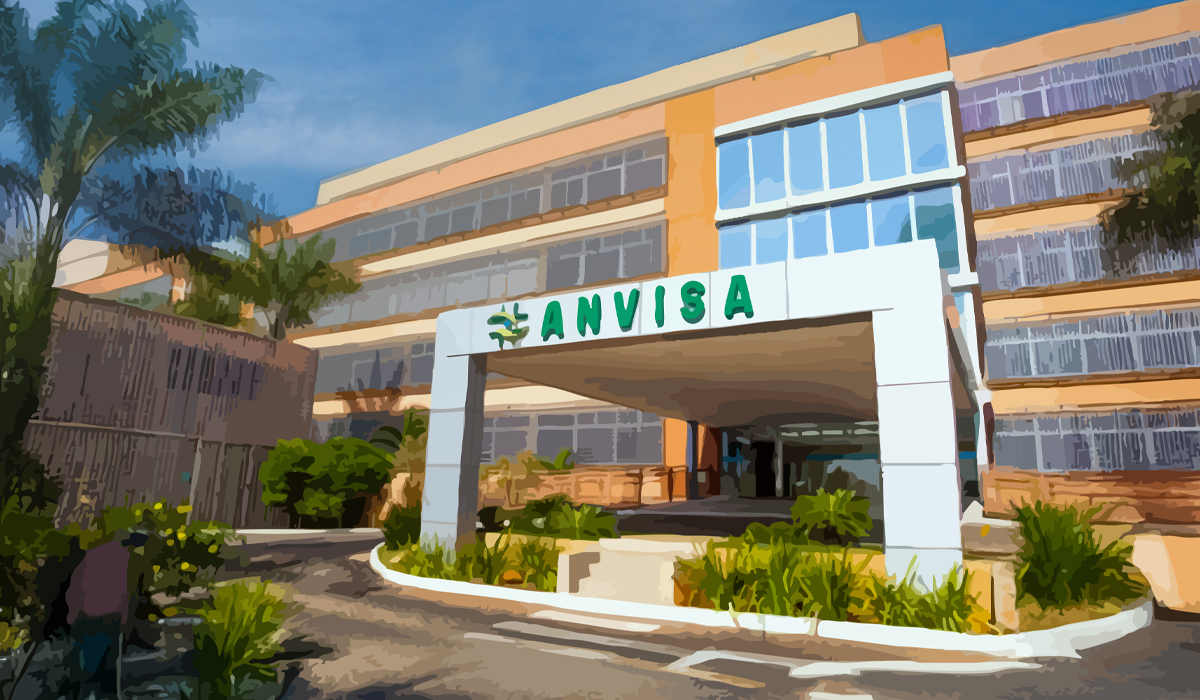
Brazil is seeing another sharp increase in demand for imported cannabis medicines, adding to evidence that hemp-derived CBD is becoming an established part of the country’s medical market as regulators create a more defined pathway for the compound.
The National Health Surveillance Agency (Anvisa) issued 116,372 authorizations for individuals to import cannabis-derived products during the first six months of 2026, an increase of nearly 29% from the same period last year, according to data obtained under Brazil’s Access to Information Law.
Import authorizations have averaged nearly 20,000 per month this year, compared with roughly 15,000 monthly during the first half of 2025. March reached 23,199 authorizations, while 18,255 were recorded in June.
CBD prominent
The figures cover cannabis-derived medical products generally and do not identify how many authorizations involve CBD rather than products containing significant levels of THC. But several indicators point to CBD and CBD-dominant formulations accounting for a substantial part of the market.
CBD has long occupied a particularly prominent position in Brazil’s medical cannabis system, and Anvisa’s regulatory structure gives the compound specific treatment. The agency’s rules explicitly cover CBD as a pharmaceutical ingredient, and Brazil has developed separate pathways for registered CBD medicines and other prescription cannabis products.
Market data show CBD’s strong position. Pharmaceutical market researcher Close-Up International reported last year that CBD isolate medicines represented 52% of the regulated cannabinoid products it tracked, while broader cannabis extracts accounted for 48%. CBD isolate products were growing 31.1% year-on-year, while cannabis extracts increased 63.8%.
Access widens
The surge in imports comes as Brazil is overhauling its cannabis medicine rules.
Anvisa this year adopted a new regulatory framework covering pharmaceutical products containing CBD or cannabis extracts. The rules also allow imports of cannabis plant material, extracts and pharmaceutical-grade CBD for research, development and manufacturing.
The framework that took effect in May also widened patient access and created the beginnings of a domestic supply chain for medical CBD. Compounding pharmacies are expected to gain a pathway to dispense individualized CBD preparations, while tightly controlled cultivation of cannabis containing no more than 0.3% THC has been authorized for medicinal and pharmaceutical purposes.
That is a significant change for a country that has depended heavily on imported cannabinoid products and ingredients.
THC medicines
Brazil also allows medical use of cannabis products containing THC, although under substantially tighter controls than those governing low-THC products.
Under Anvisa’s 2026 rules, cannabis products containing more than 0.2% THC can be prescribed for patients with serious, debilitating or life-threatening diseases. Those products require stricter controlled-drug prescriptions, while products containing no more than 0.2% THC are available under a less restrictive prescription system.
That distinction leaves CBD and low-THC formulations with a considerably broader potential patient base while maintaining a legal channel for higher-THC medical cannabis.
The rules should not be confused with legalization of recreational marijuana, which remains prohibited, or with a broad commercial marijuana cultivation program. Domestic cannabis cultivation remains tightly controlled and tied primarily to medicinal, pharmaceutical and research purposes.
Imports dominate
Brazil’s reliance on imports has been a recurring feature of the market. Domestic cultivation was held up for years as Anvisa and other federal authorities struggled to comply with court orders requiring rules for low-THC cannabis.
The Superior Court of Justice ruled in 2024 that low-THC cannabis should not be treated the same as drug-type cannabis and ordered regulators to establish a framework for cultivation for health-related purposes.
Anvisa repeatedly delayed implementation during 2025, including suspending rulemaking shortly before one court deadline.
Industrial gap
The resulting 2026 framework represents substantial progress for medical CBD but stops well short of establishing a conventional industrial hemp sector.
Brazil’s rules allow cultivation of Cannabis sativa containing no more than 0.3% THC for medicinal and pharmaceutical purposes, but hemp grown for such mainstream industrial applications as food, grain, fiber, construction materials and bioplastics remains outside the framework.
That leaves an unusual divide: Brazil is rapidly expanding into one of Latin America’s largest markets for cannabinoid medicines while the country’s considerable agricultural potential for industrial hemp remains largely untapped.
The Brazilian Agricultural Research Corporation (Embrapa) has argued that the country should ultimately adopt a 1.0% THC limit to make domestic hemp production internationally competitive.
For now, the accelerating import authorizations provide one of the clearest measures of where actual demand is developing. Whatever the precise division between CBD and THC-containing formulations, the growth is occurring inside a regulatory system in which CBD has been given a particularly prominent and increasingly well-defined role.