

What does it mean for Haiti and South Sudan if their citizens are forced to return?
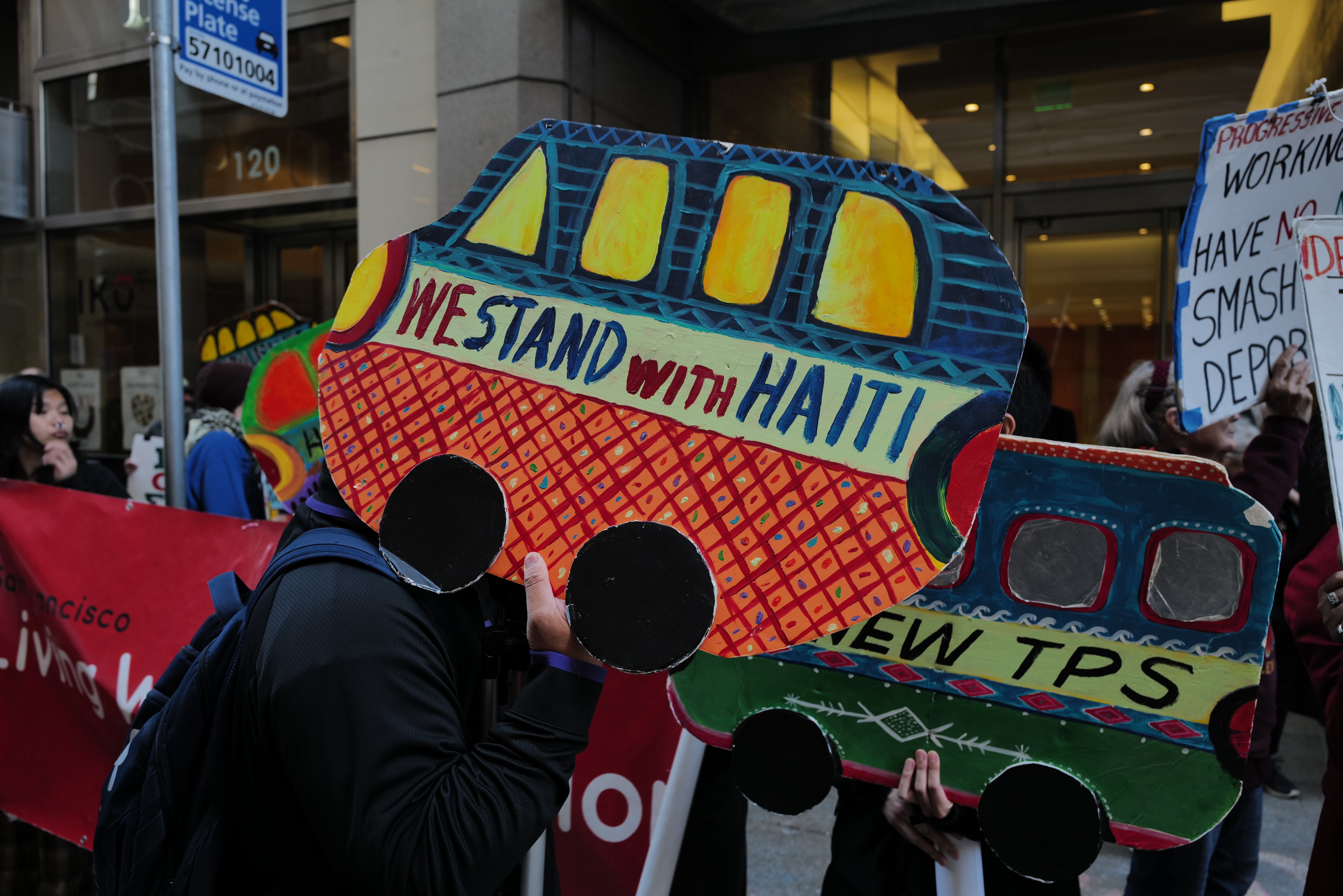
Temporary Protected Status – a legal status for specifically-designated foreign nationals of select countries currently in the United States – exists, by definition, because conditions in a country of origin are unsafe.
The website of U.S. Citizenship and Immigration Services is clear: “The Secretary of Homeland Security may designate a foreign country for TPS due to conditions in the country that temporarily prevent the country’s nationals from returning safely, or in certain circumstances, where the country is unable to handle the return of its nationals adequately.”
The decision now to end TPS designations for nationals from some of the most dangerous countries in the world not only jeopardizes the safety of those returning but risks compounding and deepening the crises impacting the countries, and regions, and people.
Citizens of Haiti and South Sudan were each independently designated for combinations of factors, including active armed conflict, violent political breakdown and dire humanitarian conditions, such as water and food shortages.
Haiti is the largest immediate concern.
The Department of Homeland Security estimated that 352,959 Haitians held TPS when it announced termination effective July 27. Originally designated as eligible for TPS in 2010 after the catastrophic earthquake that killed 300,000 and left approximately 2.3 million people without access to clean water and other infrastructure, Haiti was later redesignated in 2024 due to profound political instability and widespread street violence, plus almost no progress on post-earthquake restoration of infrastructure.
Today, the situation in Haiti remains dire. Nearly 1.5 million Haitians are internally displaced. forced to flee from their home due to violence or natural disaster, but who stay within their own country. Armed gang violence is pervasive. Almost half the population lives on less than $3 a day.
This is the country which the United States has deemed “safe” by terminating TPS and to which it seeks to return potentially hundreds of thousands of individuals. They would enter an economy with starkly limited capacity to provide jobs, housing, or public services and a political system that remains teetering on the edge of constant collapse.
South Sudan is different in scale, but equally vulnerable.
First granted TPS status in 2011, South Sudan was designated because of the ongoing civil war, estimated to have killed more than 400,000 people and displaced almost 4 million out of a country of only 12 million people. Today, the country remains extraordinarily fragile.
While the potentially returning TPS population is too small to alter South Sudan’s national economy – the Homeland Security Department reported just 232 approved TPS beneficiaries when it terminated the designation on Aug. 7 – returnees would be arriving to one of the world’s poorest countries, where the government doesn’t even collect employment data.
To be clear: TPS is not a path to U.S. citizenship, and it is a not a permanent solution. Some countries do recover and can accept their citizens’ return to their home country. And large-scale return is not automatically destabilizing – returnees can bring skills, savings, and business connections.
But a hard, fact-based look at reality matters. Rapidly sending hundreds of thousands of people back to Haiti, or even the very small numbers into profoundly fragile South Sudan, requires already stressed and fragile governments to absorb additional demand for employment, housing, schools, healthcare, and security while potentially also losing the lifelines of remittance.
In countries where the original drivers of displacement simply haven’t been resolved, the central risk isn’t simply humanitarian – it’s that a forced or poorly managed return will compound the economic and institutional weaknesses that produced displacement in the first place.