

US withdrawal from Iraq includes defense systems: Senior Iraqi official
ERBIL, Kurdistan Region – The United States will withdraw its defense systems from the Kurdistan Region along with its remaining troops by the end of September under an agreement with the Iraqi government, a senior Iraqi security official said on Sunday.
Qasim al-Araji, security advisor to Iraqi Prime Minister Ali al-Zaidi, told Rudaw that the withdrawal includes all defense systems, including remaining ones in Erbil, adding that the phased removal of troops and military equipment has already begun.
“On September 30, coalition forces will completely withdraw from Iraq, and this is the implementation of the agreement made between the previous government and the global coalition,” he added. “The American side has expressed its full readiness to implement the agreement and withdraw by the specified deadline.”
The September 30 deadline for the withdrawal of US and coalition forces was established under a 2024 agreement between Baghdad and Washington. It coincides with Zaidi’s deadline for disarming Iran-aligned armed groups, some of which have linked their compliance to the full withdrawal of US troops.
Araji said discussions with the armed groups were moving in a positive direction.
“After the withdrawal of the coalition, an agreement will be reached on a comprehensive mechanism to place all weapons under the control of the state and the commander-in-chief of the armed forces,” he said, noting, “Discussions are proceeding very well and there is positive understanding.”
The senior security official also said that a special committee formed by the ruling Coordination Framework and working under the “direct supervision” of Zaidi continues its efforts to resolve the issue.
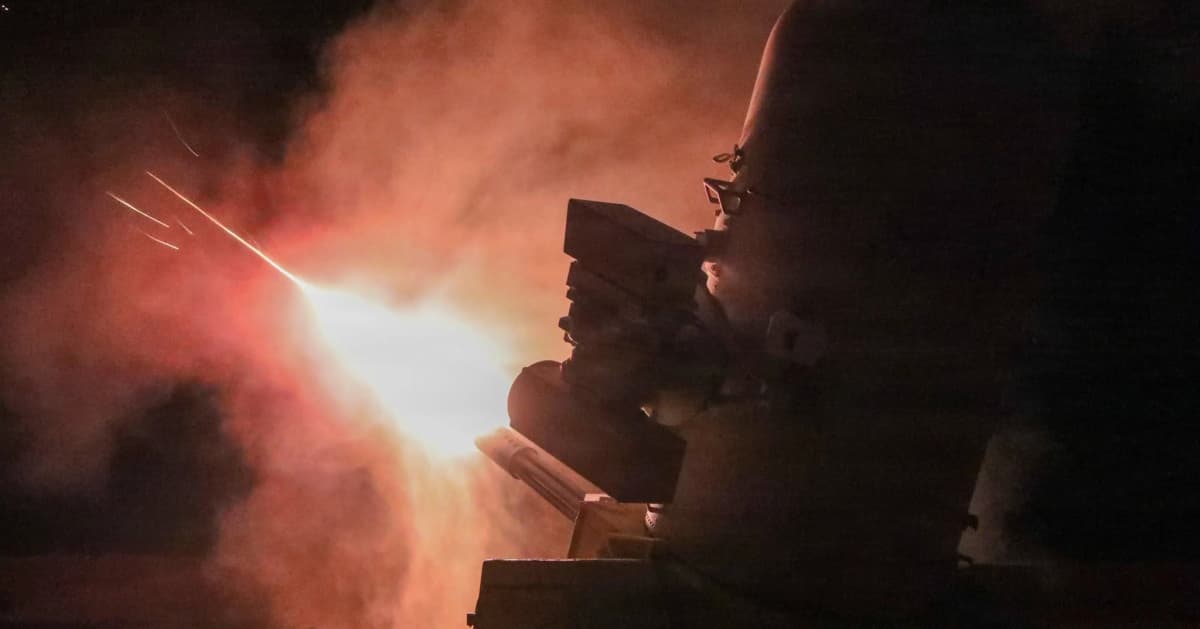
The US has already relocated eight Patriot surface-to-air missile batteries to Jordan, while Britain has transferred its Rapid Sentry system to Cyprus.
The withdrawal comes as Iran continues to attack the Kurdistan Region and amid a renewed flare-up in fighting between the US and Iran, raising concerns over how Erbil and other parts of the Kurdistan Region will be protected from further strikes.
US and British forces have defended Erbil airport and surrounding areas using anti-missile and counter-drone systems stationed at the base. Despite those defenses, at least five American soldiers and contractors have been killed in attacks in recent months, Rudaw understands.
The Kurdistan Region has been attacked with one-way drones and missiles more than 1,000 times by Iran and its Iraqi proxies since the US-Israeli aerial campaign against Iran began in late February, according to official figures.
Araji’s remarks come days after Baghdad said Zaidi had rejected a proposal to allow some US-led coalition forces to remain in the country beyond the September 30 withdrawal deadline.
Several informed sources told Rudaw in late August that the US had rejected a proposal by Tehran-aligned armed groups to freeze their military activities for two years instead of fully disarming, with Washington labeling the proposal a “trick.”
Rudaw has learned that five armed factions, including Kata’ib Hezbollah, Sayyid al-Shuhada and Harakat al-Nujaba, have refused to lay down their arms. Some have expanded their demands to include the withdrawal of Turkish forces and the disbandment of the Kurdistan Region’s Peshmerga forces.