

Iraq targets 5 million barrels per day in oil export capacity
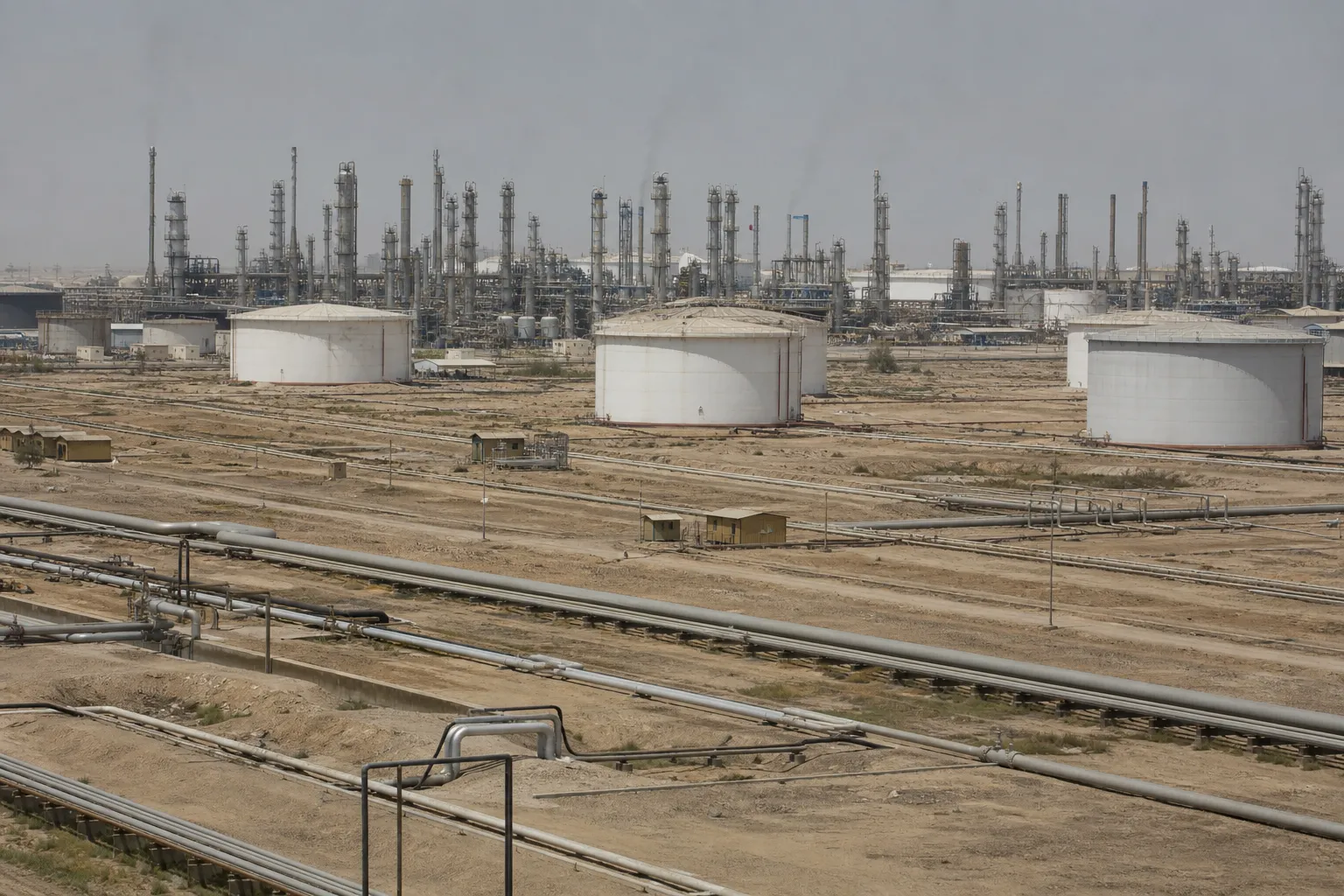
Iraq has increased its crude oil export capacity to more than 3 million barrels per day and plans to raise it to 5 million barrels per day after completing new pipeline routes. Oil Minister Basim Mohammed Khudair told the state news agency INA, Anadolu Agency reports.
According to Khudair, actual export volumes have stood at around 3 million barrels per day since the beginning of September. The government expects to increase export capacity to 5 million barrels per day after completing strategic pipelines linking Iraqi oil fields with Fishkhabur in the country’s north and the Syrian Mediterranean port of Baniyas.
New routes to the Mediterranean Sea
Last month, Prime Minister Ali Faleh al-Zeidi instructed that work continue on the Basra-Haditha-Fishkhabur and Haditha-Baniyas routes. The northern route is intended to connect southern oil fields with Fishkhabur near the Turkish border and provide access to the Kirkuk-Ceyhan pipeline and the Turkish Mediterranean port of Ceyhan.
More current news is available on the UA.News Telegram channel Telegram.
Reducing dependence on the Strait of Hormuz
The Haditha-Baniyas route is intended to provide Iraq with another outlet to the Mediterranean Sea and could potentially restore the historic oil corridor between Iraq and Syria. According to the government, these projects are intended to diversify export routes and strengthen the country’s capacity to supply crude oil abroad.
According to official data, Iraq’s proven oil reserves amount to around 145 billion barrels. Anadolu Agency notes that the country’s production fell to approximately 1.3 million barrels per day during the US and Israeli war against Iran, which, according to the agency, began in late February, from 3.3 million barrels per day before the conflict. Production recovery began in July and August. The development of alternative routes is taking place amid prolonged disruptions in the Strait of Hormuz linked to tensions between Washington and Tehran.
Download our app
