

UN Security Council Session on Libya as Drone Strikes Ignite Political Impasse: 15 outlets compared
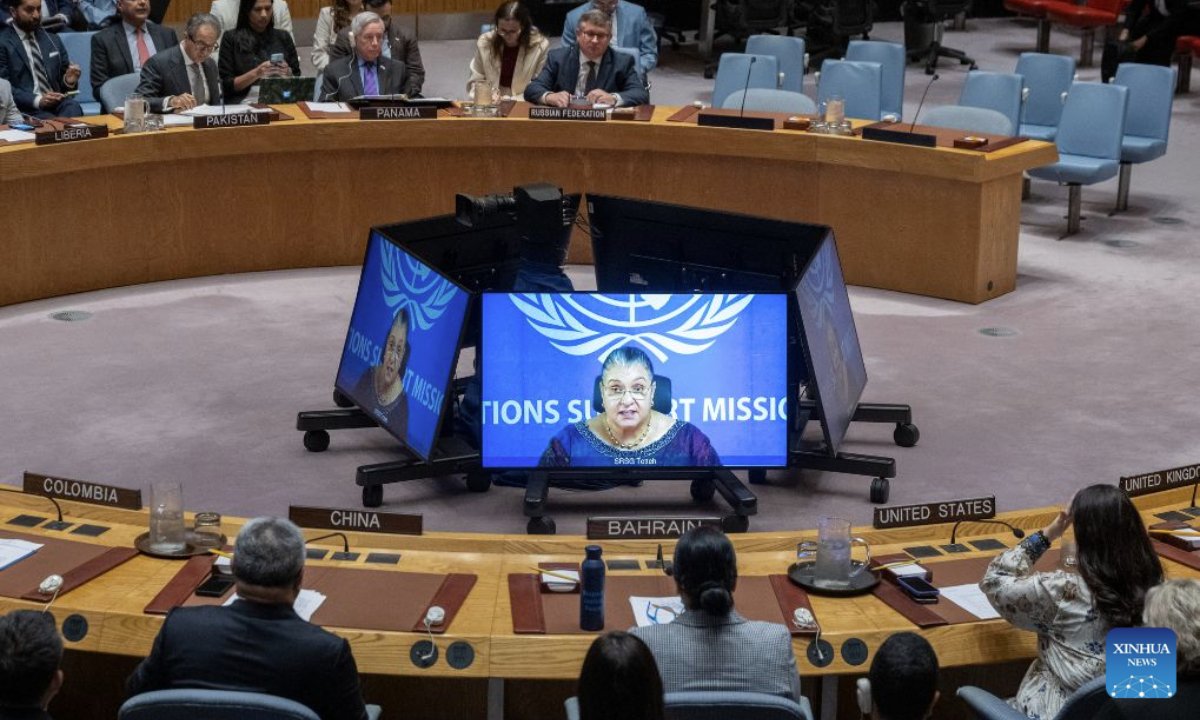
UN urges political momentum
Hanna Tetteh, the UN secretary-general’s special representative for Libya and head of the UN Support Mission in Libya (UNSMIL), told the Security Council via a video link that “We will continue to work with all parties, holding discussions and consultations in an effort to address any concerns and misgivings, and working to build trust to advance the roadmap.”
Tetteh said the UN-facilitated political roadmap is built around three core pillars: an electoral framework for presidential and legislative elections, unifying institutions through a new unified government, and a structured dialogue.
She said the six-month-long structured dialogue concluded in June and that “We now enter a critical phase: advancing unified institutions and the conditions necessary for inclusive elections.”
Tetteh warned that recent widespread electricity outages and public discontent, exacerbated by a prolonged heatwave, exposed failures of governance tied to institutional fragmentation, underinvestment and uncoordinated decision-making.
China presses for restraint
Fu Cong, China’s permanent representative to the United Nations, told the Security Council that Libya has made notable progress in its political process with a significant increase in oil and gas export revenues, while still facing unresolved fundamental political differences, rising localized security risks, and persistent macroeconomic pressures.
Fu Cong urged a multi-track approach and said that “China calls on all parties, with the support of the United Nations, to intensify consultations, bridge their differences, and reach agreement as soon as possible on the relevant matters set out in the roadmap, thereby paving the way for national elections,” as the Security Council discussed how to break the deadlock.

In Tripoli, Libya’s Prime Minister Abdul Hamid Dbeibah and Mohamed Takala, president of the Supreme Council of State, discussed ways to advance the political process and overcome the prolonged political deadlock at the council’s headquarters, according to a statement by the Supreme Council of State.
The meeting addressed measures to improve basic services and tackle obstacles facing key sectors, particularly the electricity crisis, and also reviewed the security situation while stressing the need for greater coordination among relevant authorities.
The Anadolu Ajansı report said Libya has seen deteriorating security and public services in recent weeks, including clashes in the western cities of Zawiya and Sorman and drone attacks on oil facilities in Zawiya.
Roadmap milestones and risks
The UK said that “its two initial milestones remain to be implemented by Libya’s parties” and urged Libya’s leaders to act to implement the roadmap and move towards elections.
The statement warned that when progress stalls, stability is put at risk, citing “the assassination of the Libyan National Army Military Intelligence Chief” and targeted drone attacks on critical infrastructure at Zawiya.
In its briefing, Tetteh said the roadmap may require more time than initially envisaged, adding that “the delay is not a loss of direction but a necessary adaptation to political realities and the views of Libyan stakeholders and international partners.”
Tetteh also linked the political track to governance capacity, saying the political process is about restoring the state’s ability to provide for its people, manage its resources responsibly under unified institutions, provide security and create resilience to risks facing the country.
Credit: Source link