

Trump Appoints Ambassador Tom Barrack Special Envoy to Syria and Iraq
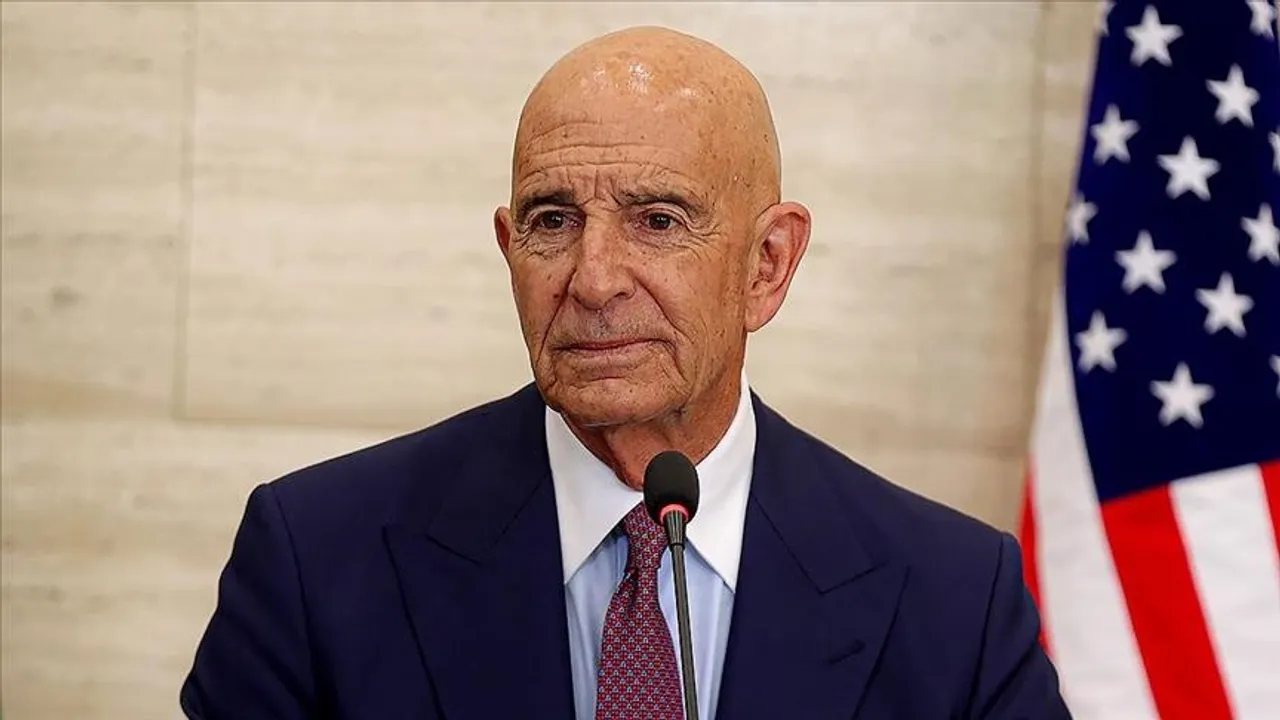
Washington – United States — US President Donald Trump announced on Sunday the appointment of Tom Barrack as Special Presidential Envoy to Syria and Iraq. Barrack will simultaneously maintain his structural diplomatic responsibilities as the United States Ambassador to the Republic of Turkey. This is a strategic reshuffling designed to consolidate American geopolitical oversight in the region.
State Department Support and Truth Social Directives
Trump clarified via his digital platform, “Truth Social,” that this new high-level assignment will execute with the comprehensive institutional backing and synchronization of the US Department of State. The core objective of this mandate is to sustain and intensify proactive diplomatic parameters. Specifically, it aims at reinforcing strategic cooperation and security partnerships between the United States and the sovereign governments of both Syria and Iraq.
This critical decision materializes amidst rapid American geopolitical maneuvers tailored to tighten political and security synchronization across the Middle East. Furthermore, it allows Washington to closely monitor shared, highly sensitive portfolios with Damascus and Baghdad amid fluid, accelerating frontline dynamics. Trump affirmed in his briefing that Barrack will continue to orchestrate his primary diplomatic operations from his current base as Ambassador to Turkey. He will seamlessly blend this with his expanded dual authority as Special Presidential Envoy managing the Syrian and Iraqi domains.
Cumulative Geopolitical Expertise in Regional Dossiers
Notably, Tom Barrack has served as the US Ambassador to Turkey since April 2025. He was previously assigned additional tasks in May of the same year as the Special Envoy to Syria. This track record equips him with precise analytical depth and direct, hands-on field experience. It enables him to navigate complex political, military, and intelligence grids governing the regional matrix.
Strategic Analysis of Washington’s Intentions
Political analysts and international relations experts argue that Barrack’s appointment to this dual-hatted role reflects a clear intent by the US administration to centralize and elevate its diplomatic footprints in Syria and Iraq. This will be achieved under a unified regional umbrella. Moreover, this structure is engineered to guarantee uninterrupted communication with key regional stakeholders regarding counter-terrorism operations, stabilization frameworks, and the broader engineering of multilateral cooperation aligned with long-term American strategic interests.