

The Meanings and Significance of Black Internationalism
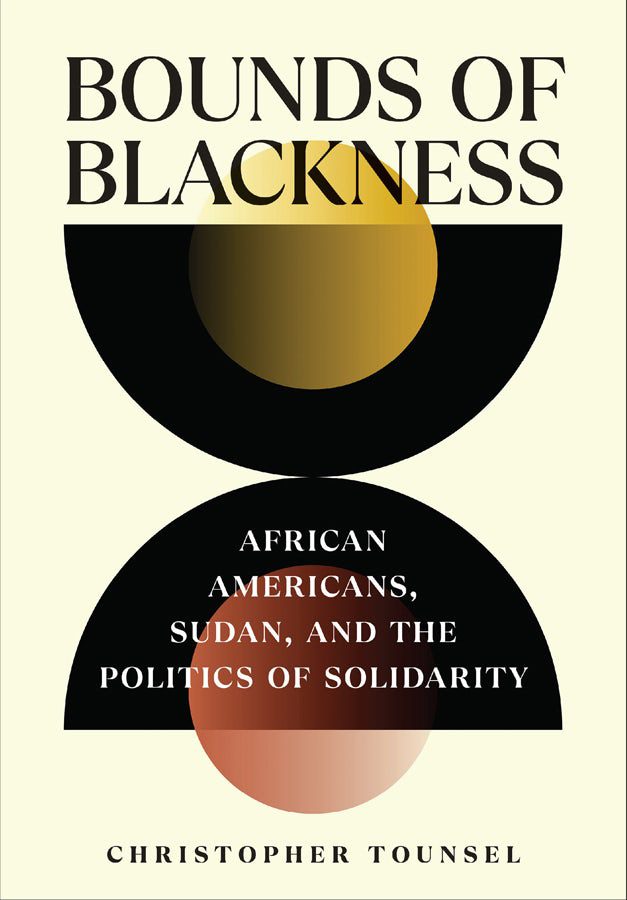
This post is part of our online roundtable on Christopher Tounsel’s Bounds of Blackness.
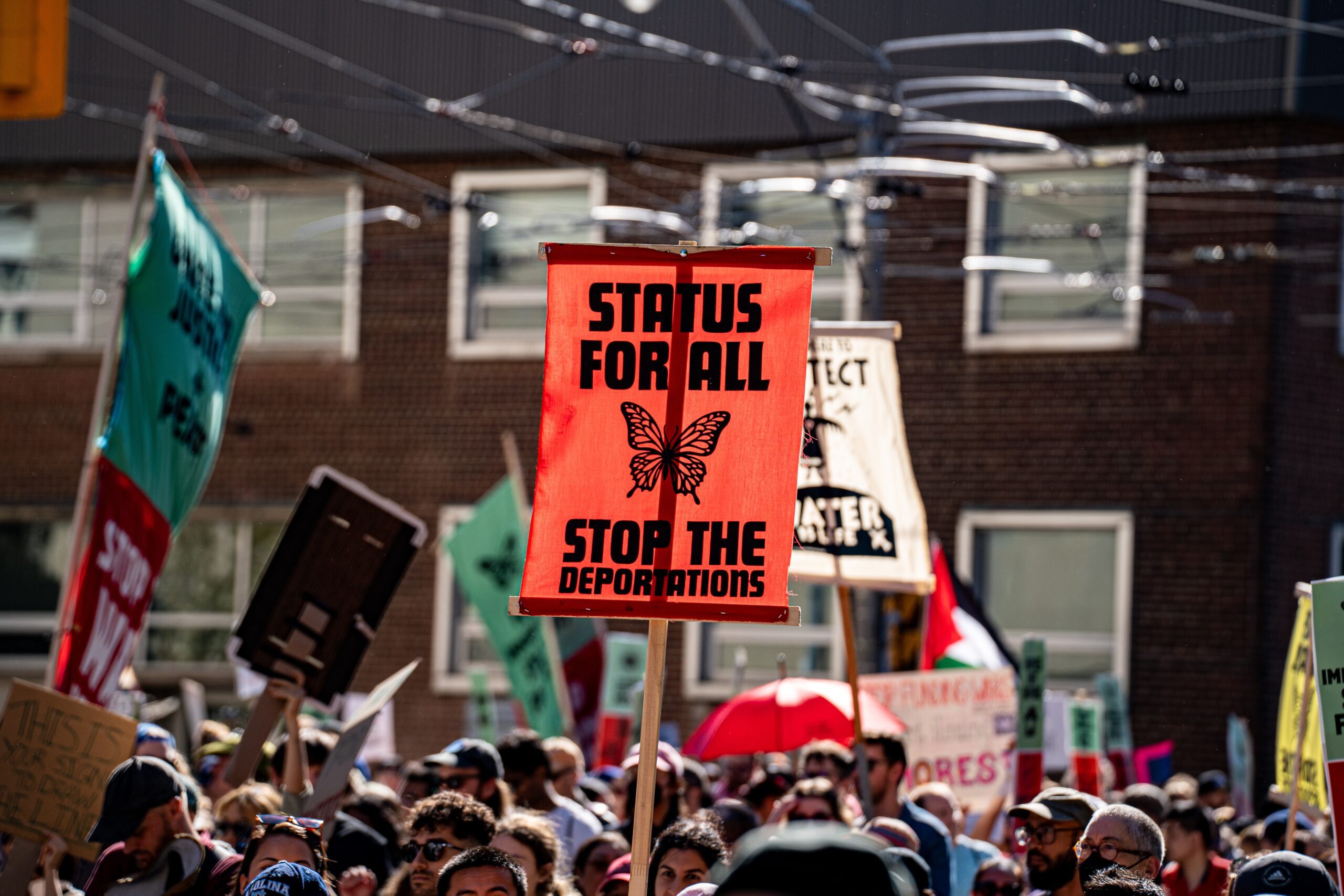
In 2025, the U.S. Supreme Court authorized President Donald Trump and immigration officials to send deported migrants to nations that they did not originate from, including South Sudan. The prospect of imminent mass deportations draws attention to multiple issues analyzed in Christopher Tounsel’s Bounds of Blackness, which explains how African Americans’ perceptions of Sudanese people transformed through academic, political, economic, and religious connections during the twentieth and early twenty-first centuries. Those transnational connections were often shaped by the types of regional instability and refugee crises that have sparked questions about the living conditions that newly deported migrants may face in South Sudan.
The rhetoric about connections between people of African descent in the United States and Sudan also reveals varying definitions of Blackness and racial solidarity.
Tounsel encourages readers to consider how and why Black internationalism and Pan-Africanist movements tended to downplay the interests of Sudanese people based on their various appearances, languages, and spiritual beliefs. His arguments remain meaningful as American journalists work to explain why U.S. citizens should stay informed about deportation policies and foreign affairs.
One of the racial identity definitions that stands out in Tounsel’s analysis is the effort to establish transnational “bounds of blackness” based on similar “struggles against a nexus of oppression” (155). For example, he describes how then-President Barack Obama and Alabama journalist Ashley Makar celebrated the founding of South Sudan with comparisons to the American civil rights movement. Both Obama and Makar quoted Rev. Dr. Martin Luther King Jr.’s focus on liberation while expressing their own hopes for the safety of South Sudanese citizens and refugees (153-155). The common threads that helped them support the independence of South Sudan involved concerns about displacement, economic exploitation, and political influence as well as their personal ancestral ties to North Africa. These safety concerns seemed to prioritize the perspectives of South Sudanese people, but they were formed through comparisons with oppressive conditions in other parts of the world. The opinions of people in South Sudan gained visibility because they echoed freedom struggles that were recognized in other parts of the African Diaspora.
Scholars have established the field of Black internationalism studies with similar arguments focused on social justice and liberation. Both Keisha N. Blain and James Meriwether use the phrase “racial consciousness” to explain the goals of Black internationalism during the early twentieth century, such as the formation of new ideals about Africa and a “commitment to universal emancipation.” What is striking about Tounsel’s scholarly approach is how it contrasts perceived Pan-African solidarity with specific intercultural knowledge. Chapter One exemplifies this type of contrast by emphasizing how Booker T. Washington co-sponsored the first African American ventures to Sudan in 1905 without mentioning or inquiring about the interests of Sudanese people (36-41). Local farmers were expected to benefit economically and academically from the goals of the Tuskegee alumni who taught them cotton agriculture, and the anticipated benefits outweighed any concerns about the reactions of the African farmers themselves.
A book written from a biographical approach may have minimized the significance of Booker T. Washington’s silence about Sudanese people by grouping his Sudan outreach with the Tuskegee president’s many other activities involving the African continent. An implication of Pan-Africanism can be formed just by mentioning that Washington helped to organize the first Pan-African Congress and by describing his participation in a human rights campaign against forced labor atrocities in the Congo Free State (30). But Tounsel digs deeper by providing context about the ways that regional slave trading persisted while Britain and Egypt controlled Sudan (97). He notes that the consequences of this ongoing problem did not seem to factor into the plans for the Tuskegee cotton venture in that country. Tounsel emphasizes that Washington left no indication that he was aware of diversity amongst the Sudanese population based on forced migration, linguistics, geography, and religious traditions. Any evaluation of the success of African Americans’ initiatives in Sudan would be incomplete if it overlooked these types of variables and how they related to later social and political instability.
The inclusion of archival sources from North Africa enables Bounds of Blackness to make important contributions as a model study of Black internationalism. Each chapter provides detailed explanations of major events that shaped people’s lifestyles in Sudan and South Sudan. These major events drive the narrative in each chapter as Tounsel guides readers through analyses of how living conditions within these countries changed since the early 1900s and why scholars deemed those changes significant. By identifying aspects of North African Arabic cultures that were often misunderstood beyond local contexts, Bounds of Blackness avoids oversimplification of what Sudan and South Sudan symbolized for African Americans. Chapter Two details the dichotomies that many African American journalists perceived between African colonial subjects in Sudan and Egyptian Arab elites during the first half of the twentieth century (64-65). Chapter Four explains how Americans’ discourse about Arabic people in northern Sudan tended to associate them with the domestic slave trade and colorism (98-99). These ideas about Sudanese social groups used “Arab” labels as stable identity markers, thereby masking the ways that concepts of Arab identity fluctuated in decolonized Sudan based on the potential for empowerment through Afro-Asian solidarity and based on collaboration with Middle Eastern nations (105-106). Some residents of Sudan also chose to speak Arabic without practicing Islam, which complicated American religious leaders’ arguments aligning Sudanese interests with the goals of the Nation of Islam.
By challenging assumed dichotomies between Arab and African people in Sudan, Tounsel also challenges scholars to specify our terminology about Black internationalism based on local as well as transnational interests. Studies of shared freedom struggles in the African Diaspora can start with comparisons to racial exploitation in the United States or in other prominent nations, but these studies must also analyze interpretations of justice and race in specific geographical contexts. The incorporation of understudied histories may become crucial as Americans seek to understand political changes that would otherwise seem unprecedented.
*This essay appears in Vol. 3, Issue 1 (Spring 2027) of Global Black Thought. Copyright © 2026 AAIHS.
Copyright © AAIHS. May not be reprinted without permission.