

Sudanese refugees face the effects of humanitarian funding cuts in Chad
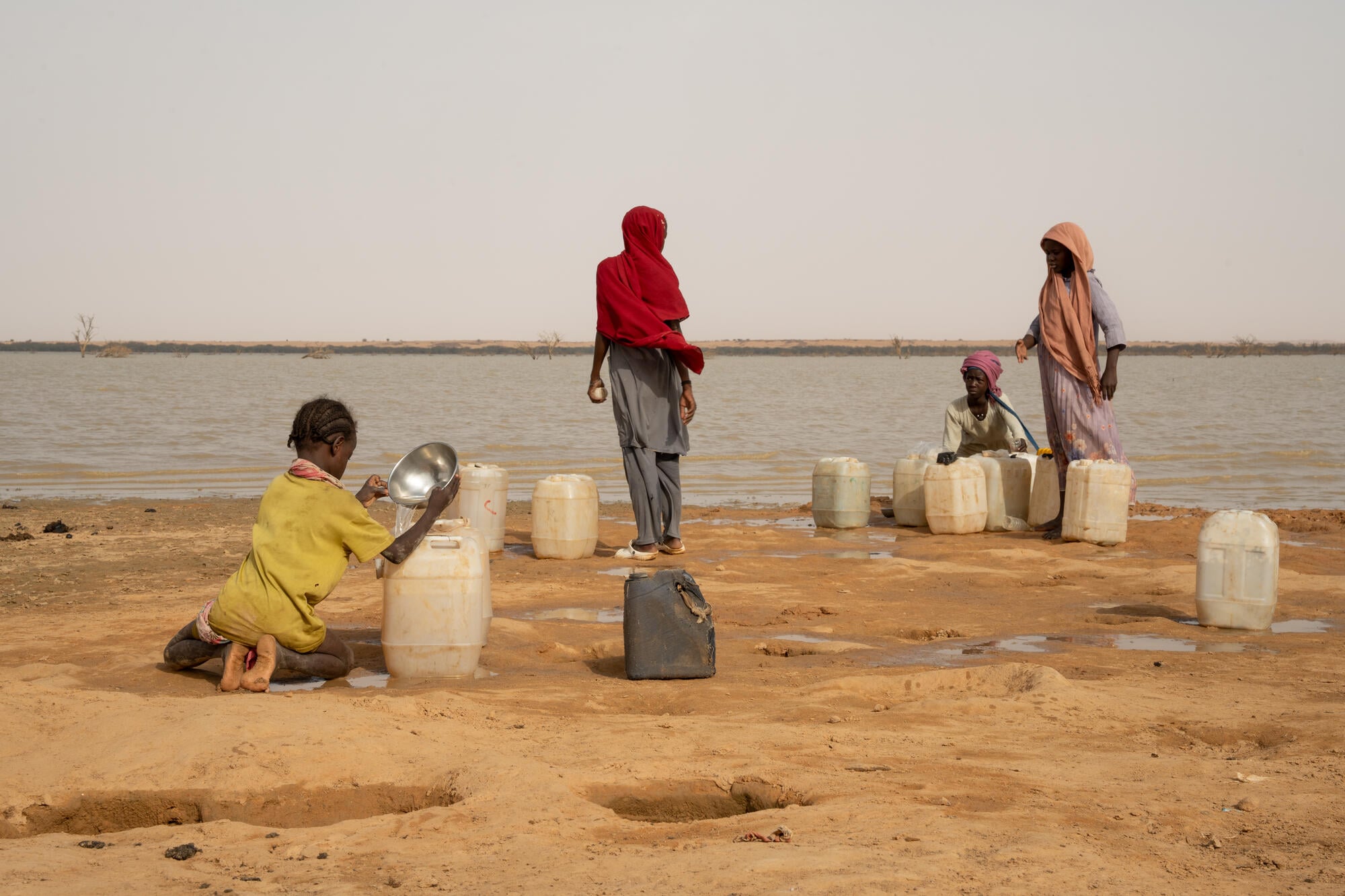
Two litres of water a day
Water is another urgent concern. In Ouré-Cassoni, only around two litres of water is available per person per day, far below the 15 to 20 litres generally recommended in emergency situations.
Getting this water to families requires a complex chain: pumping it from the lake, treating it, checking its quality, transporting it, and distributing it across the different areas of the camp. For MSF, this shows what funding makes possible – or no longer makes possible – in concrete terms on the ground. Reduced funding translates into less clean water being provided to people in the camp.
In July, more than 14 per cent of consultations carried out by MSF in the camp concerned cases of non-bloody diarrhoea. Although a lack of clean drinking water is not the only cause, it is certainly among the causing factors.
“When we talk about humanitarian funding, we also need to think about very concrete needs: keeping pumps running, treating water and making sure it reaches families in sufficient quantities and on a regular basis,” says Joshua Ayuba Mpato, MSF project coordinator in Ouré-Cassoni.
“For people living in Ouré-Cassoni, access to safe water in sufficient quantities is not a luxury: it is a basic necessity for their health and dignity,” he says.
A precarious roof and difficult access to healthcare
After food and water, shelter is one of the main needs identified by communities. Thousands of families have to improvise homes using whatever materials they can find, often in conditions that provide limited protection.
These living conditions also have consequences for health. Respiratory infections, particularly those associated with precarious housing conditions, account for more than 30 per cent of MSF consultations across different areas of the camp and among all age groups.
However, Ouré-Cassoni has only one health centre, and specialist healthcare is not directly available within the camp. People requiring specialist care must be referred to other facilities, where only critical cases are supported financially.
Credit: Source link