

South Sudan seeks expanded veterinary services to drive livestock economy
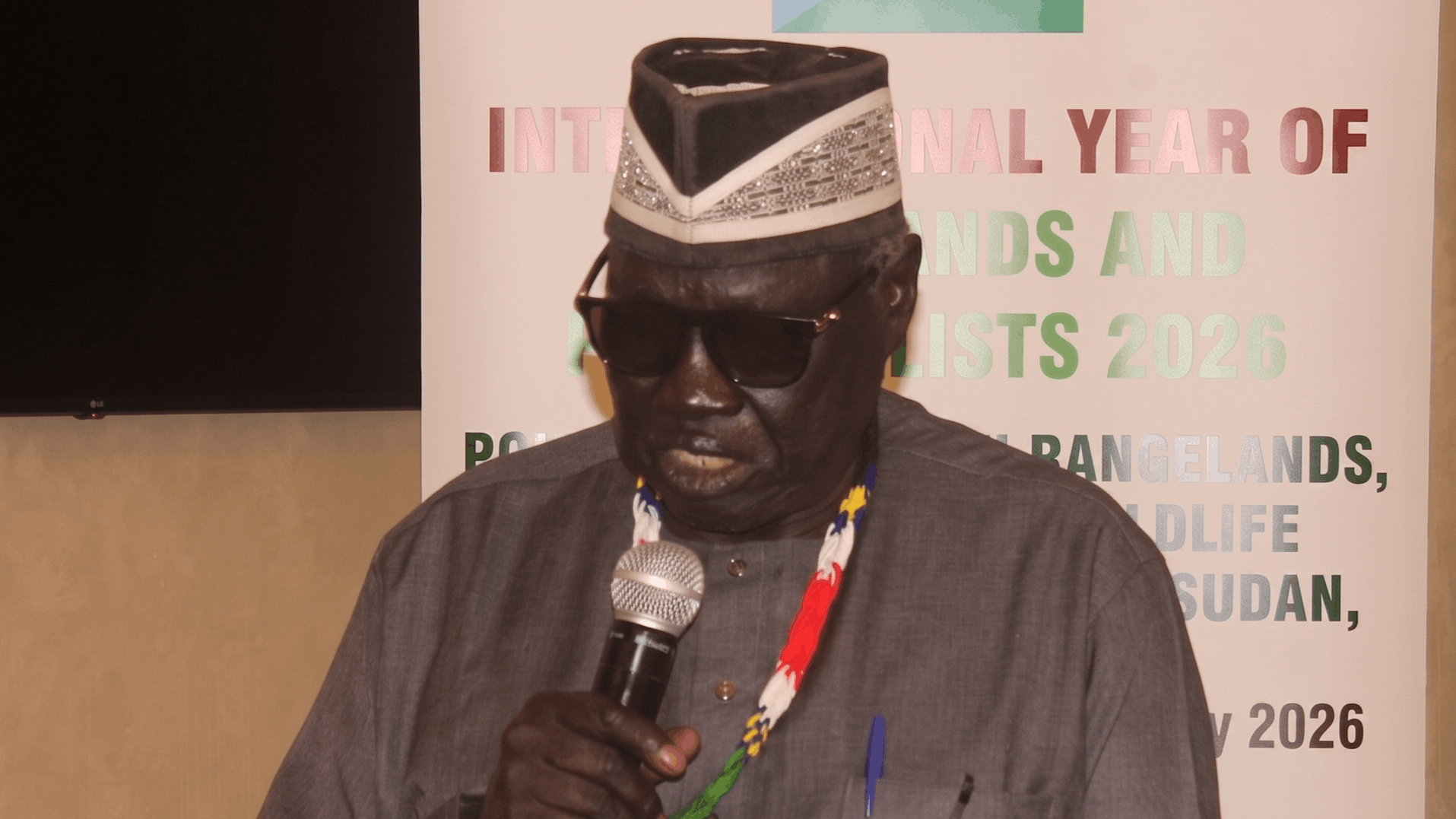

JUBA – The Government of South Sudan said on Tuesday it is planning to expand veterinary services across the country as part of efforts to unlock the full potential of the livestock sector and boost economic growth, the Minister of Livestock and Fisheries, Onyoti Adigo Nyikwec, said.
Speaking during a two-day national dialogue on rangelands, pastoralism, and wildlife conservation in Juba, Adigo said improving animal health is critical to increasing livestock productivity, strengthening food security, and expanding access to domestic and regional markets.
“Modernising veterinary services. This is a civilian and animal health system. Fourth, promoting peace-building through equitable and conflict-sensitive natural resource management. Expanding the livestock value chain, markets, processing industries, and regional trade,” Adigo said.
Adigo emphasised the need to invest in women and youth by strengthening research, innovation, and skills development to build a competitive and sustainable livestock economy.
“These priorities are investments, not only in agriculture but also in peace, resilient employment, and national prosperity. Unlocking South Sudan’s livestock potential requires broad collaboration,” he said.
He disclosed that they are working with World Bank funding to implement the Livestock Sector Resilient Project, focusing on animal health and land management.
He added that the government has developed a National Resource Sector Strategy, which is awaiting validation, to unlock the full potential of the livestock sector.
“This initiative aims to restore ecosystems and manage natural resources efficiently. We have development partners, financial institutions, the private sector, research bodies, civil societies, and pastoral communities to join us in building a modern, resilient, and competitive livestock sector.”
Adigo said they are planning to create livestock migration corridors to reduce recurring clashes between herders and farming communities over land and water.
“Strengthening sustainable mainland governance and protecting livestock migration corridors. We need to have corridors so that the cattle will not go to the farm of the people. Restoring degraded lands and promoting climate-smart landscape management,” he said.
Felix Dzvurumi, the FAO Representative in South Sudan, called for greater recognition, responsible investment, and adapted policies for pastoralist systems.
“In South Sudan, pastoralism is deeply connected to identity, culture, economy, and survival. Livestock provide milk, meat, income, savings, social value, and dignity. For many rural households, livestock are more than an asset,” Felix said.
He said the livestock sector is a key driver of economic growth and stressed the need to unlock its full potential through increased investment and sustainable development.
“They are a foundation for resilience in times of crisis. We all know that even the banking system in South Sudan, as we move out of Juba, is quite limited, and livestock provide one of the ways people can store their wealth,” he said.
“Pastoralism and agro-pastoralism also contribute to local markets and cross-border trade, as we have seen in recent years in the greater Kapoeta area.”
The two-day dialogue, organized by the Ministry of Livestock and Fisheries in collaboration with the Food and Agriculture Organization, government agencies, and development partners, brought together policymakers, pastoralists, researchers, civil society, and private sector representatives.