

Morocco and the Gulf of Guinea: an Atlantic vision in the service of African integration
- A new sovereign geopolitical approach for the Gulf of Guinea
- Economic diplomacy for enhanced Atlantic cooperation
- The integrative dimension of the Atlantic Initiative
- Gulf of Guinea: a strategic area for Morocco
In the face of geopolitical shifts in the Gulf of Guinea and the Sahel region, Morocco is promoting a model of cooperation that integrates security, development and investment through infrastructure projects that transform the Atlantic into a space for African integration.
Against a backdrop of growing international polarisation, Rabat is committed to proactive and efficient diplomacy that promotes an African solution centred on sovereignty, shared development and cooperation to preserve regional stability.
Faced with growing geopolitical competition in West Africa, Morocco is currently emerging as a key player by transforming its strategic location, historical influence and economic dynamism into a platform for convergence for major regional and international initiatives.
A new sovereign geopolitical approach for the Gulf of Guinea
Morocco’s Atlantic outreach towards West Africa and the Gulf of Guinea marks a strategic shift that transcends the traditional logic of border security; moving from a defensive strategy to one based on initiative, with a view to consolidating the country’s new geopolitical role in shaping the African Atlantic space.
This new geopolitical strategy is the result of Morocco’s Atlantic opening towards West Africa and the Gulf of Guinea, with a more proactive diplomacy aimed at driving initiatives and strengthening its role in shaping the new regional balance.
In this regard, the Gulf of Guinea represents for Morocco a strategic extension of its Atlantic sphere and a key corridor for regional security and connectivity. This strategy is based on building an integrated Atlantic hub that links Morocco’s stability with the sustainable development and security of West Africa.
This strategy forms part of a profound geopolitical shift in the Gulf of Guinea and West Africa, driven by the decline of Western influence, the proliferation of hybrid threats and growing competition amongst major international powers to consolidate their presence in this strategic region.
Economic diplomacy for enhanced Atlantic cooperation
To strengthen its ties with the Gulf of Guinea, Morocco combines diplomatic, financial and economic tools. This is reflected in the expansion of major Moroccan banks in West Africa, which has bolstered trade finance, regional financial integration and the development of the local business sector.
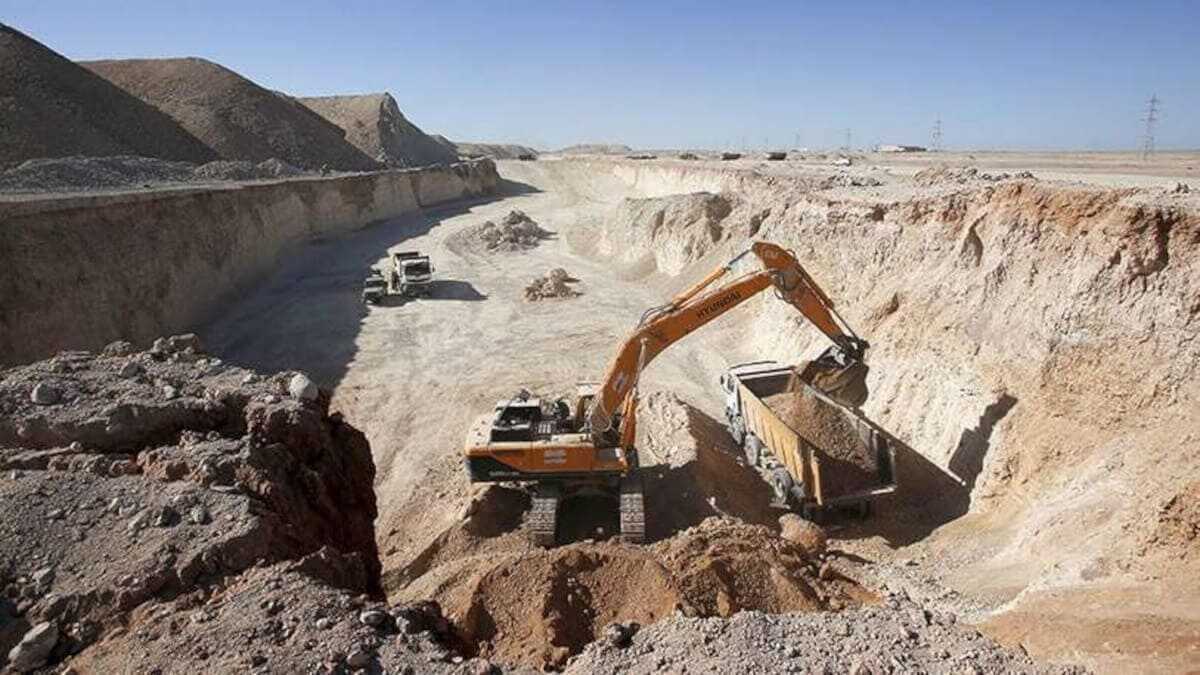
In parallel with this, OCP’s strategic initiatives are transforming phosphate into an instrument of cooperation to promote food security and agricultural transformation; thereby contributing to strengthening the economic resilience and sustainable development of the countries of the Gulf of Guinea and the Sahel.
Morocco’s Atlantic strategy aligns with the priorities of the Sahel Alliance countries, including Mali, Burkina Faso and Niger, which are seeking new access to the sea to reduce their isolation, diversify their logistics corridors and strengthen their economic autonomy.
In this context, the Atlantic Initiative promoted by Morocco is designed as a platform for regional integration and cooperation; it focuses on the Gulf of Guinea to protect trade routes, strengthen port security and ensure the continuity of supply chains and strategic energy flows.
The initiative aligns with the priorities of the Sahel Alliance by offering a pathway to economic integration and regional cooperation; it also promotes greater coordination on maritime security to protect trade routes, ports and energy supplies in the Gulf of Guinea and along the African Atlantic coast.
Building on these strategic pillars, Morocco is pursuing a forward-looking diplomatic approach aimed at consolidating the African Atlantic region as a new hub for economic growth, cooperation and regional integration. This commitment is reinforced by the projected population growth in West Africa and the Gulf of Guinea, which will transform the region into one of the world’s largest emerging markets and major consumer hubs in the coming decades.
The integrative dimension of the Atlantic Initiative
Morocco is promoting a new generation of economic and security alliances based on a win-win approach, with the aim of strengthening regional stability, protecting its investments and promoting a model of shared development in the African Atlantic.
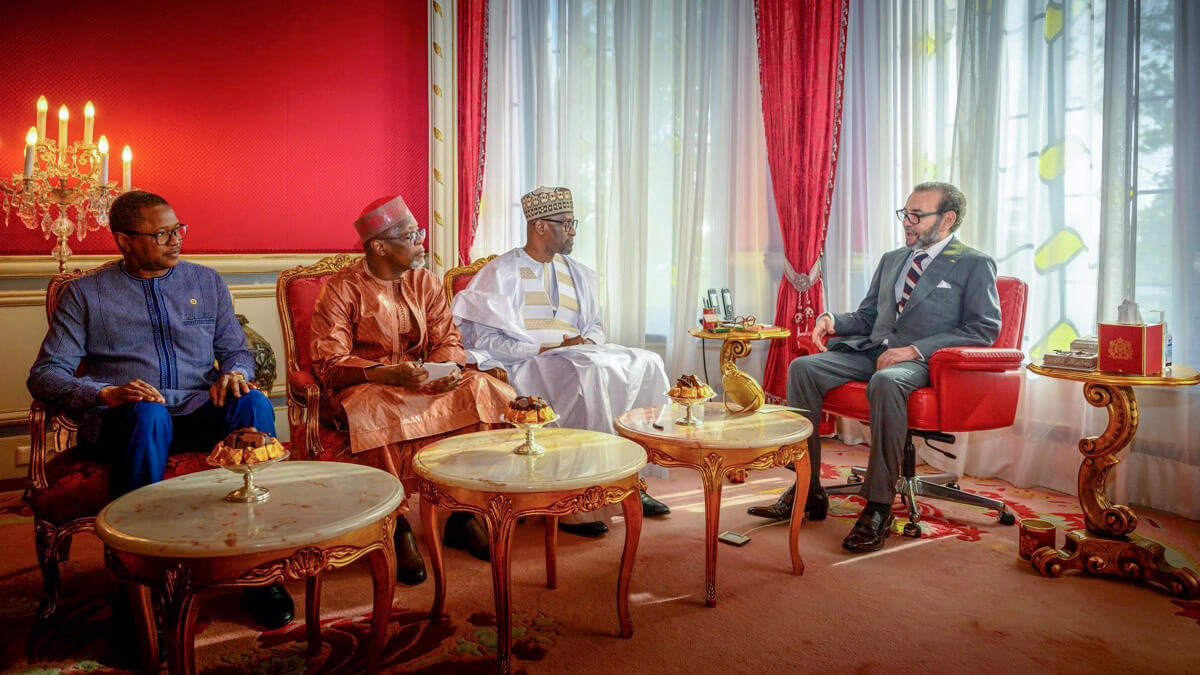
Within this framework, the Atlantic Initiative launched by King Mohammed VI represents a new approach to regional cooperation that seeks to connect the countries of the Sahel with the Atlantic region, fostering economic integration, security and sustainable development in West Africa.
Morocco’s Atlantic strategy towards the Gulf of Guinea is taking shape through infrastructure and cooperation projects designed to strengthen regional integration and redefine the geo-economic dynamics of West Africa. Among these initiatives, particular note should be taken of the Sahel countries’ access to the Atlantic Ocean via Moroccan logistics and port infrastructure – a proposal designed to reduce their isolation, improve their connectivity and facilitate their integration into international trade networks.
By launching the Atlantic Initiative, Rabat has committed to complementing existing international dynamics through a framework for regional cooperation that strengthens coordination amongst African countries bordering the Atlantic. This strategy consolidates the country’s position as a strategic partner and a key logistics hub for facilitating access to the markets of West Africa and the Gulf of Guinea.

Gulf of Guinea: a strategic area for Morocco
For Morocco, the Gulf of Guinea is a geostrategic area of the utmost importance. With a coastline of nearly 6,000 kilometres, stretching from Senegal to Angola, and comprising twenty coastal states, this region accounts for a significant proportion of African maritime trade, making it an essential corridor for connectivity, maritime security and Morocco’s economic outreach to West Africa.
Indeed, the protection of these routes and maritime security is a central pillar of the country’s Atlantic vision and of its cooperation with regional and international partners.
This vast and strategic maritime area is home to significant energy and fisheries resources, but faces complex security challenges that threaten regional stability and affect international trade. Against this backdrop, Morocco is promoting a cooperation strategy aimed at strengthening the security of maritime routes and contributing to stability in the African Atlantic region.
Despite its enormous economic and logistical potential, the Gulf of Guinea has become one of the main hotspots of geopolitical rivalry, as the major powers’ interests converge in a key area for trade and maritime security, with a view to expanding their influence over this strategic Atlantic region.
Against this backdrop, whilst the United States is strengthening its security cooperation, China is consolidating its economic and port presence, and Russia is expanding its reach in the Sahel – all whilst keeping a close eye on the waning of French influence, which is reshaping the balance of power and generating new geopolitical dynamics in West Africa.
Demographic trends position West Africa as one of the world’s main growth hubs. Led by Nigeria and bolstered by the dynamism of countries such as Côte d’Ivoire, Ghana and the Sahel states, the region is set to exceed 500 million inhabitants and approach one billion by mid-century.
Morocco believes that its influence in West Africa depends on consolidating its presence in one of the world’s fastest-growing markets in terms of population. To this end, it is promoting strategic projects such as the Morocco–Nigeria gas pipeline, “fertiliser diplomacy” and the expansion of Moroccan banking, with the aim of strengthening economic integration, food security and sustainable development in the region.
Credit: Source link
Comments are closed.