

Only 71% of South Sudan mothers exclusively breastfeed babies—Report
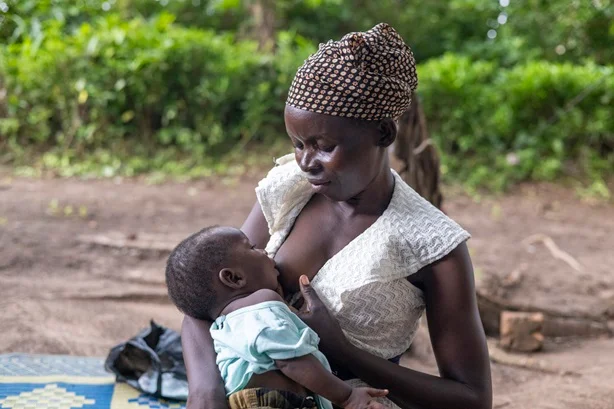

JUBA – Only about 71% of mothers in South Sudan exclusively breastfeed their babies during the first six months of life, according to UNICEF and health-sector data.
According to the 2025 MICS survey, 76% of mothers initiate breastfeeding within one hour of giving birth, while 71% continue breastfeeding their children until the age of two years or beyond.
Exclusive breastfeeding means feeding infants only breast milk for the first six months, without water, other liquids, or foods, except medicines or prescribed supplements.
In a statement marking World Breastfeeding Week 2026 on Friday, Health Minister Luke Thompson Loan called on mothers to initiate breastfeeding within the first hour after birth and exclusively breastfeed their babies for the first six months.
“Breastfeeding is a powerful investment in the health and future of our children and our nation. Every mother deserves the support, information, and enabling environment needed to successfully breastfeed,” Thompson said.
Thompson also urged mothers to continue breastfeeding until the child is two years old and beyond, while introducing appropriate complementary foods at six months.
“As we commemorate World Breastfeeding Week 2026, we call upon families, communities, health workers, employers, and development partners to work together to ensure that every child receives the best possible start in life through exclusive breastfeeding.”
Noala Skinner, UNICEF Country Representative in South Sudan, said breastfeeding is not only a foundation for child survival and development but also a sustainable solution that benefits families, communities, and the environment.
“South Sudan is doing well with early initiation of breastfeeding, and UNICEF remains committed to supporting the Government of South Sudan in strengthening policies, health systems, and community-based interventions,” Skinner said.
She urged health workers to provide quality counseling and support to pregnant and breastfeeding women.
“That means supporting mothers with information and advice on breastfeeding and appropriate complementary foods to nourish and nurture their children,” said Skinner
This year’s World Breastfeeding Week 2026 is under the theme “Breastfeeding for a Sustainable Start in Life: Strengthen what works.”
This year’s theme highlights the vital role of breastfeeding in ensuring the survival, growth, and development of children while contributing to healthier families, stronger communities, and a more sustainable future.
This year UNICEF and partners are advocating for the finalization of the national decree on the marketing of breastmilk substitutes to give families clear and accurate information on infant and young child feeding.
Protecting, promoting, and supporting breastfeeding remains a critical strategy for improving child survival and nutrition outcomes, especially during emergencies.