

NATO Rebuffs Russia’s Claims Arctic Mission Is Direct Threat
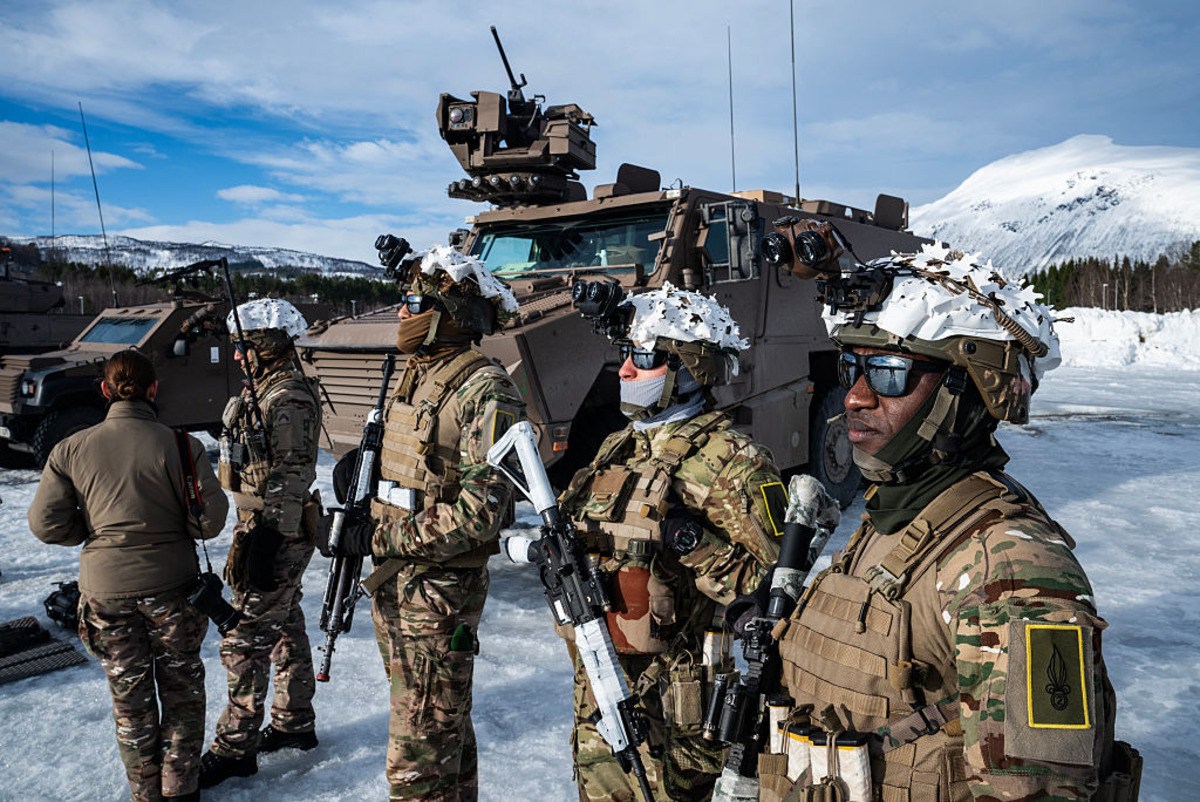
NATO poses “no threat” to Russia, a senior NATO military official has said, after Moscow’s top diplomat accused the alliance of posing a “direct” danger to the Kremlin in the Arctic, a region that had long avoided becoming a hotspot of international tensions and competition.
“NATO is a defensive alliance,” Colonel Martin O’Donnell, a spokesperson for NATO’s Supreme Headquarters Allied Powers Europe (SHAPE), told Newsweek. “We pose no threat to anyone.”
Russian Foreign Minister Sergey Lavrov had accused NATO on Monday of “driving the region toward militarization and creating hotbeds of international tension” in the Arctic.
The Arctic has attracted increasing attention in recent years as climate change carves out new routes for both military and civilian traffic in the region.
Of the eight Arctic states only Russia is not a NATO member, but it is the region’s most dominant country and typically described as most comfortable in the austere, unforgiving conditions of the High North.
Moscow has reopened some of its Soviet-era bases, created a new Arctic-focused military command and built new facilities in the region, where it already bases its all-important, hard-to-track nuclear submarine fleet.
But, conscious of Russia’s footprint and China‘s burgeoning interest in the Arctic, NATO has begun to shore up its presence there—particularly after Europe and Canada scrambled to ease tensions rippling across the alliance following President Donald Trump’s persistent demands to control Greenland, a semi-autonomous, mineral-rich strategic part of Denmark in the Arctic.
“Intensive military preparations are underway in close proximity to our northern borders,” Lavrov said in an essay published by Russia’s foreign ministry on Monday.
In February, NATO launched a new initiative dubbed Arctic Sentry, which is a catch-all term for making NATO activity more frequent and visible in the Arctic, including through intelligence-gathering flights, maritime drills and training for troops to learn how to cope with the extreme temperatures.
It’s overseen by NATO commanders in Norfolk, Virginia, who are in charge of all alliance operations in the Atlantic, U.K., Arctic and northern Europe.
NATO had already launched similarly named initiatives in the Baltic Sea and along its eastern flank.
The alliance also said this year it would deploy hundreds of troops from different NATO nations in Finland and Sweden to shore up its northeastern flank near Russian soil.
In October 2025, NATO set up a new center in the northern Norwegian city of Bodø to oversee all air operations monitoring the Arctic and northern Atlantic.
NATO Drills
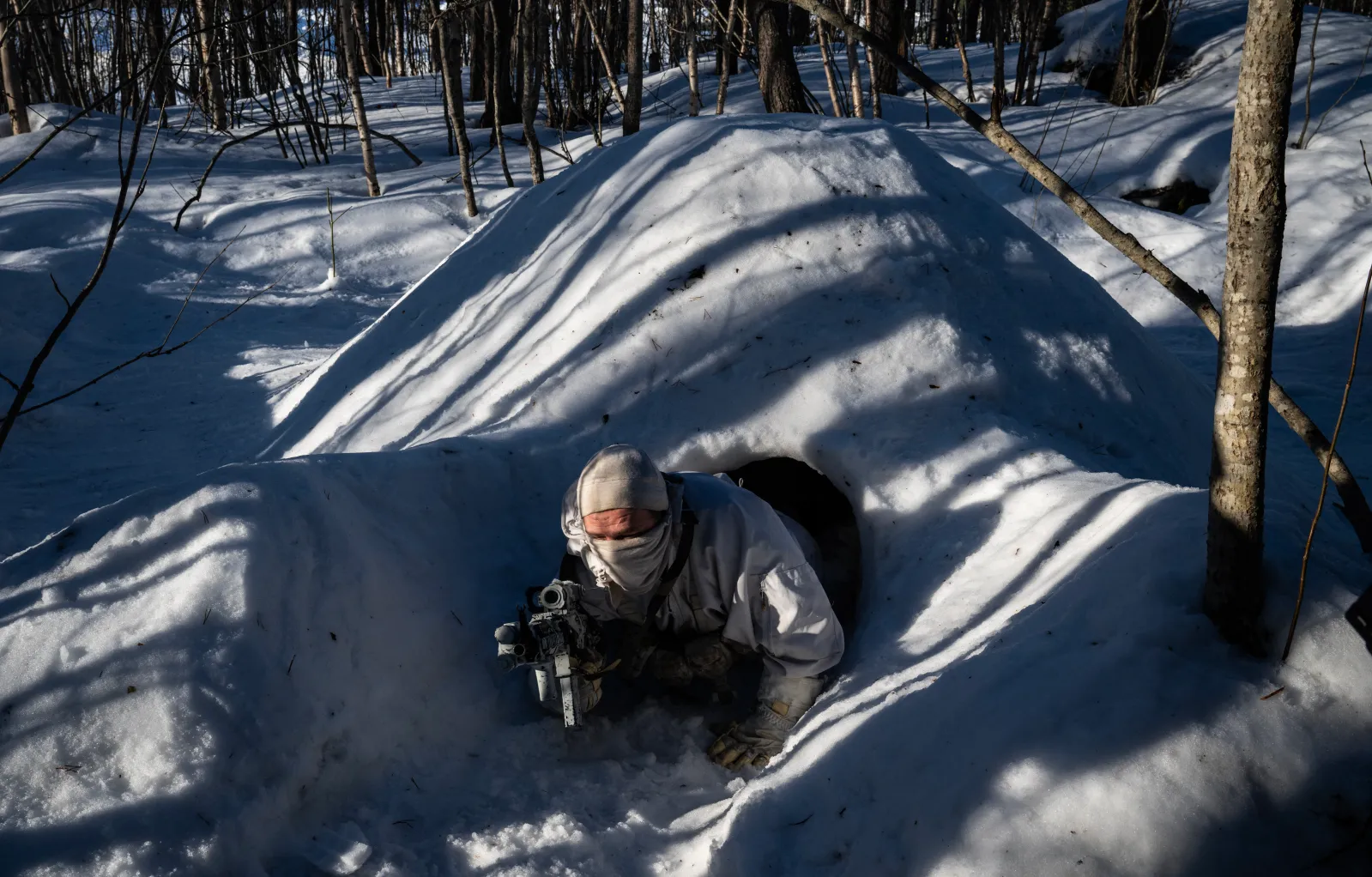
NATO regularly carries out military drills in the Arctic—as does Russia.
NATO says these help troops from different alliance members practice carrying out missions in the extreme cold, like landing on shorelines and quickly capturing territory, or making their way through wide-open, icy expanses.
The alliance has increased the number of Arctic exercises it conducts over the past few years, NATO says.
It has in recent days carried out U.S.-led exercises in Iceland, known as Northern Viking, to rehearse defending the Nordic nation and the so-called Greenland-Iceland-United Kingdom (GIUK) Gap.
The GIUK Gap is the main passage Russian submarines would take out of the Arctic and out into the northern Atlantic, where they would more easily be able to threaten the U.S. with long-range missiles.
“NATO’s posture in the region is defensive in nature and proportionate to the security environment,” Lieutenant Commander Tim Pietrack, a spokesperson for the NATO Maritime Command (MARCOM), told Newsweek.
NATO’s maritime forces “will continue to exercise, train, and maintain presence in the Arctic and High North,” Pietrack added.
Earlier this year, tens of thousands of troops—including around 4,000 U.S. Marines—took part in cold-weather drills around Norway and Finland. Like other drills in the High North this year, such as Danish-led exercises in Greenland, these drills were also grouped under the broader Arctic Sentry label.
Contact Newsweek editors on this story: John Fitzpatrick, Matthew Robinson and Tony Phillips.