

Morocco is acting like a power it cannot afford to be: Who is paying the bill?
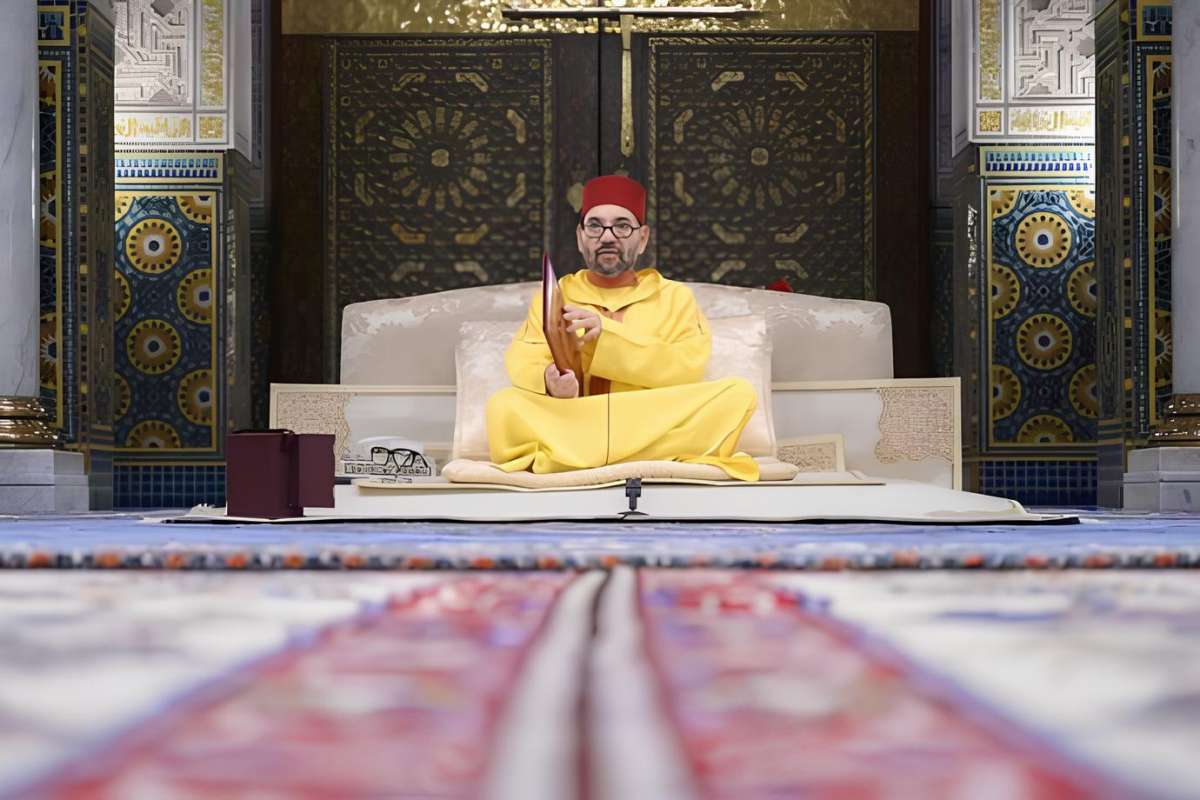
It is an evident paradox. Morocco has a modest nominal Gross Domestic Product (GDP) of around $160-170 billion, but maintains a military, police, and international influence expenditure typical of a global power.
The answer to how the Makhzen—the ruling elite surrounding Morocco’s monarchy—finances such an extensive power projection despite the country’s official GDP seemingly falling short lies in the fact that the regime does not rely solely on the state budget. Instead, it draws on a sophisticated system of parallel economies—many of which would constitute criminal activity in the US and EU—alongside royal monopolies, budgetary diversions and international geopolitical alliances.
The top of the Majzen, “Palace Economy” (Al Mada Holding)
The Majzen has its own financial engine independent of the government. The royal family controls Al Mada (formerly SNI), one of the largest private holdings in Africa. This conglomerate has monopolies or majority stakes in banking (Attijariwafa Bank), mining (Managem), food distribution (Marjane), telecommunications, and energy industries. It’s as if in UK, King Charles III had shareholdings in almost 40% of the British GDP.
The profits from these strategic sectors do not go to the state coffers to build schools or hospitals; they are directly channeled into the Majzen’s wealth. With this private “war chest” immune to parliamentary control, networks of clientelism, elite bonuses, and reserved funds are financed. This is tolerated in the West out of convenience for the King of Morocco, but no democratic parliament would accept that this part of the GDP escapes its control and oversight.
More than 4% of GDP is allocated to military spending
In the Moroccan state budgets, allocations for Health or Education suffer chronic shortages, but spending on Defense and Security is sacred. Morocco systematically allocates more than 4% of its GDP to military spending, one of the highest percentages in the world.
The Moroccan Parliament approves these budgets with eyes closed for “national security reasons” (the Western Sahara conflict, whose occupation costs a lot to the national budget and benefits the king’s companies, in addition to the rivalry with Algeria).
Financing a “Police State” is expensive. By prioritizing the repressive and military apparatus over social welfare, the state ensures competitive salaries, free housing, and privileges for army and police officers, guaranteeing their blind loyalty to the Majzen.
Moreover, corruption—provided it is not against the state apparatus—is considered a plus to guarantee loyalties, whether in dealings with Morocco Mafia bosses or illegal immigration networks.
The geopolitical tax: the EU finance border control
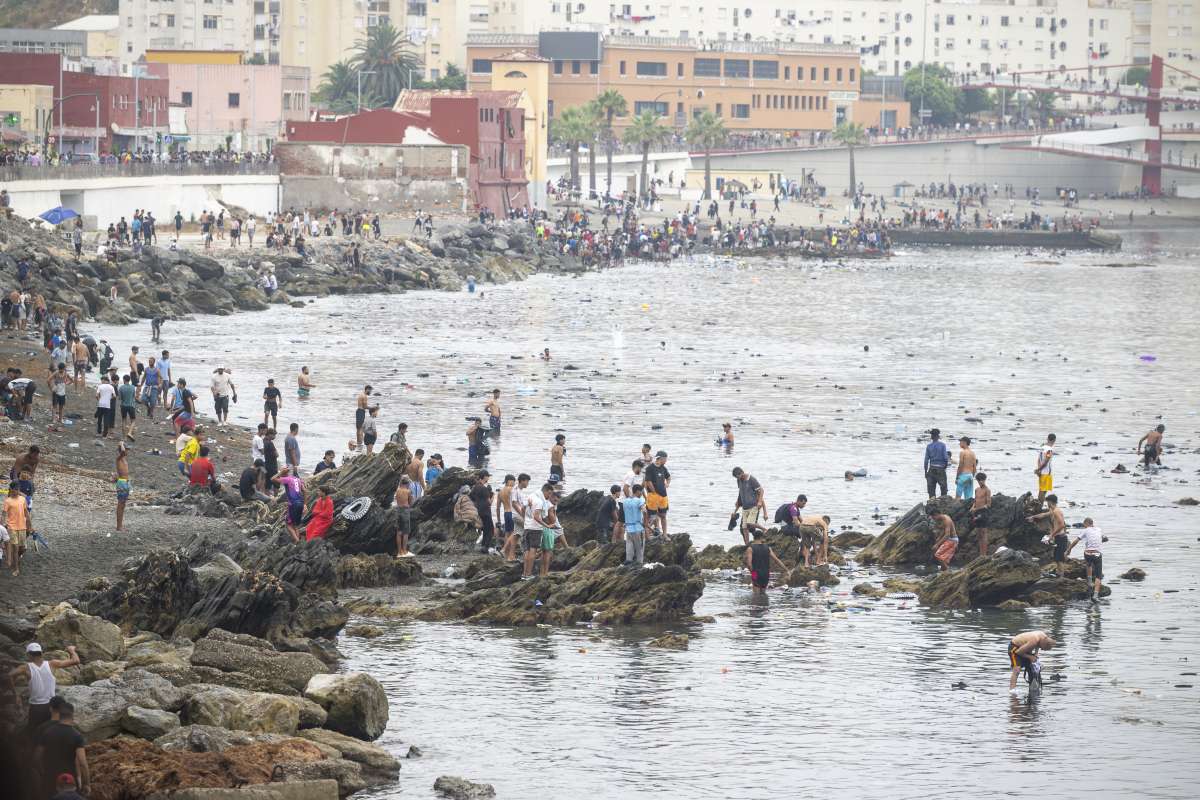
Morocco has turned its geographical position into a source of multimillion-dollar income. It uses irregular immigration and anti-terrorism cooperation as tools of blackmail and negotiation (coercive diplomacy) with the European Union, especially with Spain and France.
Europe injects hundreds of millions of euros annually into Morocco to “control the borders” and equip the Moroccan police with surveillance technology, vehicles, and night vision equipment.
This external money relieves the pressure on the Moroccan GDP, as Europe ends up indirectly paying for the maintenance and modernization of the Majzen’s police apparatus.
Various political parties and security force associations in Spain repeatedly denounce these purchases, considering that public and European funds are used to equip foreign police with superior or more expensive vehicles while Spanish agents report a lack of their own resources, even appearing in photos of some of these vehicles conducting road control filters for the wedding of one of the drug lords in the northern region of Morocco.
The “petrodollars” from the Gulf and U.S. aid
Morocco does not have oil, but it has allies who do it. The Gulf monarchies (Saudi Arabia and the United Arab Emirates) see the Alawite monarchy as a brotherly bastion to be protected against republics or revolutions despite betraying them with Israel.
These countries directly finance the purchase of heavy Moroccan weaponry, forgive debts, and make billion-dollar investments in the country’s infrastructure.
On the other hand, since Morocco normalized relations with Israel in exchange for U.S. recognition of its sovereignty over the Sahara, the flow of credits and military aid from Washington has been secured, allowing the purchase of F-16 fighters or drones without straining its official accounts.
How they pay for their international lobbying (The “Marocgate”)
The Makhzen spares no expense on diplomacy and lobbying in Washington, Paris and Brussels to secure support for its position on Western Sahara and, increasingly, its claims over Ceuta and Melilla. How does it pay for all this if its GDP is so low?
Morocco has neither oil nor gas, but it possesses 70% of the world’s phosphate reserves (essential for global agricultural fertilizers) through the state company OCP. The OCP effectively operates as the main financial arm of Moroccan diplomacy, directly paying the most expensive law firms and lobbyists in the U.S. and influencing Western congressmen.
As revealed by corruption scandals in the European Parliament (the Marocgate case), the Majzen uses reserved funds from the intelligence services (DGED) to make cash payments, luxury trips, and perks to foreign politicians, opaque money that never appears in the official GDP statistics.
And to the contribution of the OCP, drug trafficking must be added, as it is well known that Morocco is one of the world’s largest producers of hashish. And although the country has initiated legalization processes for medicinal uses, the vast historical smuggling network in the Rif region has generated billions of black cash for decades.
Part of this financial flow from the underground economy launders its money in the country’s legal real estate and financial circuit, oxygenating the liquidity of local networks tolerated and very useful for the Majzen’s apparatus.
In conclusion, unlike a democratically homologous country, when talking about Morocco, its official GDP is a misleading indicator if one wants to measure the power of its elite. The Majzen functions like a multinational corporation that extracts the country’s wealth, exploits its geopolitical value before the West, and uses foreign aid to finance a police state and influence that its internal economy could never sustain on its own. And on top of that, it pushes to emigrate all those it cannot maintain because it robs them of opportunities.
It is an evident paradox. Morocco has a modest nominal Gross Domestic Product (GDP) of around $160-170 billion, but maintains a military, police, and international influence expenditure typical of a global power.
The answer to how the Makhzen—the ruling elite surrounding Morocco’s monarchy—finances such an extensive power projection despite the country’s official GDP seemingly falling short lies in the fact that the regime does not rely solely on the state budget. Instead, it draws on a sophisticated system of parallel economies—many of which would constitute criminal activity in the US and EU—alongside royal monopolies, budgetary diversions and international geopolitical alliances.
The top of the Majzen, “Palace Economy” (Al Mada Holding)
The Majzen has its own financial engine independent of the government. The royal family controls Al Mada (formerly SNI), one of the largest private holdings in Africa. This conglomerate has monopolies or majority stakes in banking (Attijariwafa Bank), mining (Managem), food distribution (Marjane), telecommunications, and energy industries. It’s as if in UK, King Charles III had shareholdings in almost 40% of the British GDP.
The profits from these strategic sectors do not go to the state coffers to build schools or hospitals; they are directly channeled into the Majzen’s wealth. With this private “war chest” immune to parliamentary control, networks of clientelism, elite bonuses, and reserved funds are financed. This is tolerated in the West out of convenience for the King of Morocco, but no democratic parliament would accept that this part of the GDP escapes its control and oversight.
More than 4% of GDP is allocated to military spending
In the Moroccan state budgets, allocations for Health or Education suffer chronic shortages, but spending on Defense and Security is sacred. Morocco systematically allocates more than 4% of its GDP to military spending, one of the highest percentages in the world.
The Moroccan Parliament approves these budgets with eyes closed for “national security reasons” (the Western Sahara conflict, whose occupation costs a lot to the national budget and benefits the king’s companies, in addition to the rivalry with Algeria).
Financing a “Police State” is expensive. By prioritizing the repressive and military apparatus over social welfare, the state ensures competitive salaries, free housing, and privileges for army and police officers, guaranteeing their blind loyalty to the Majzen.
Moreover, corruption—provided it is not against the state apparatus—is considered a plus to guarantee loyalties, whether in dealings with Morocco Mafia bosses or illegal immigration networks.
The geopolitical tax: the EU finance border control
Morocco has turned its geographical position into a source of multimillion-dollar income. It uses irregular immigration and anti-terrorism cooperation as tools of blackmail and negotiation (coercive diplomacy) with the European Union, especially with Spain and France.
Europe injects hundreds of millions of euros annually into Morocco to “control the borders” and equip the Moroccan police with surveillance technology, vehicles, and night vision equipment.
This external money relieves the pressure on the Moroccan GDP, as Europe ends up indirectly paying for the maintenance and modernization of the Majzen’s police apparatus.
Various political parties and security force associations in Spain repeatedly denounce these purchases, considering that public and European funds are used to equip foreign police with superior or more expensive vehicles while Spanish agents report a lack of their own resources, even appearing in photos of some of these vehicles conducting road control filters for the wedding of one of the drug lords in the northern region of Morocco.
The “petrodollars” from the Gulf and U.S. aid
Morocco does not have oil, but it has allies who do it. The Gulf monarchies (Saudi Arabia and the United Arab Emirates) see the Alawite monarchy as a brotherly bastion to be protected against republics or revolutions despite betraying them with Israel.
These countries directly finance the purchase of heavy Moroccan weaponry, forgive debts, and make billion-dollar investments in the country’s infrastructure.
On the other hand, since Morocco normalized relations with Israel in exchange for U.S. recognition of its sovereignty over the Sahara, the flow of credits and military aid from Washington has been secured, allowing the purchase of F-16 fighters or drones without straining its official accounts.
How they pay for their international lobbying (The “Marocgate”)
The Makhzen spares no expense on diplomacy and lobbying in Washington, Paris and Brussels to secure support for its position on Western Sahara and, increasingly, its claims over Ceuta and Melilla. How does it pay for all this if its GDP is so low?
Morocco has neither oil nor gas, but it possesses 70% of the world’s phosphate reserves (essential for global agricultural fertilizers) through the state company OCP. The OCP effectively operates as the main financial arm of Moroccan diplomacy, directly paying the most expensive law firms and lobbyists in the U.S. and influencing Western congressmen.
As revealed by corruption scandals in the European Parliament (the Marocgate case), the Majzen uses reserved funds from the intelligence services (DGED) to make cash payments, luxury trips, and perks to foreign politicians, opaque money that never appears in the official GDP statistics.
And to the contribution of the OCP, drug trafficking must be added, as it is well known that Morocco is one of the world’s largest producers of hashish. And although the country has initiated legalization processes for medicinal uses, the vast historical smuggling network in the Rif region has generated billions of black cash for decades.
Part of this financial flow from the underground economy launders its money in the country’s legal real estate and financial circuit, oxygenating the liquidity of local networks tolerated and very useful for the Majzen’s apparatus.
In conclusion, unlike a democratically homologous country, when talking about Morocco, its official GDP is a misleading indicator if one wants to measure the power of its elite. The Majzen functions like a multinational corporation that extracts the country’s wealth, exploits its geopolitical value before the West, and uses foreign aid to finance a police state and influence that its internal economy could never sustain on its own. And on top of that, it pushes to emigrate all those it cannot maintain because it robs them of opportunities.
Credit: Source link