

Liberia’s Grand Gedeh was 99% forest until 2020 — then cacao farms rushed in
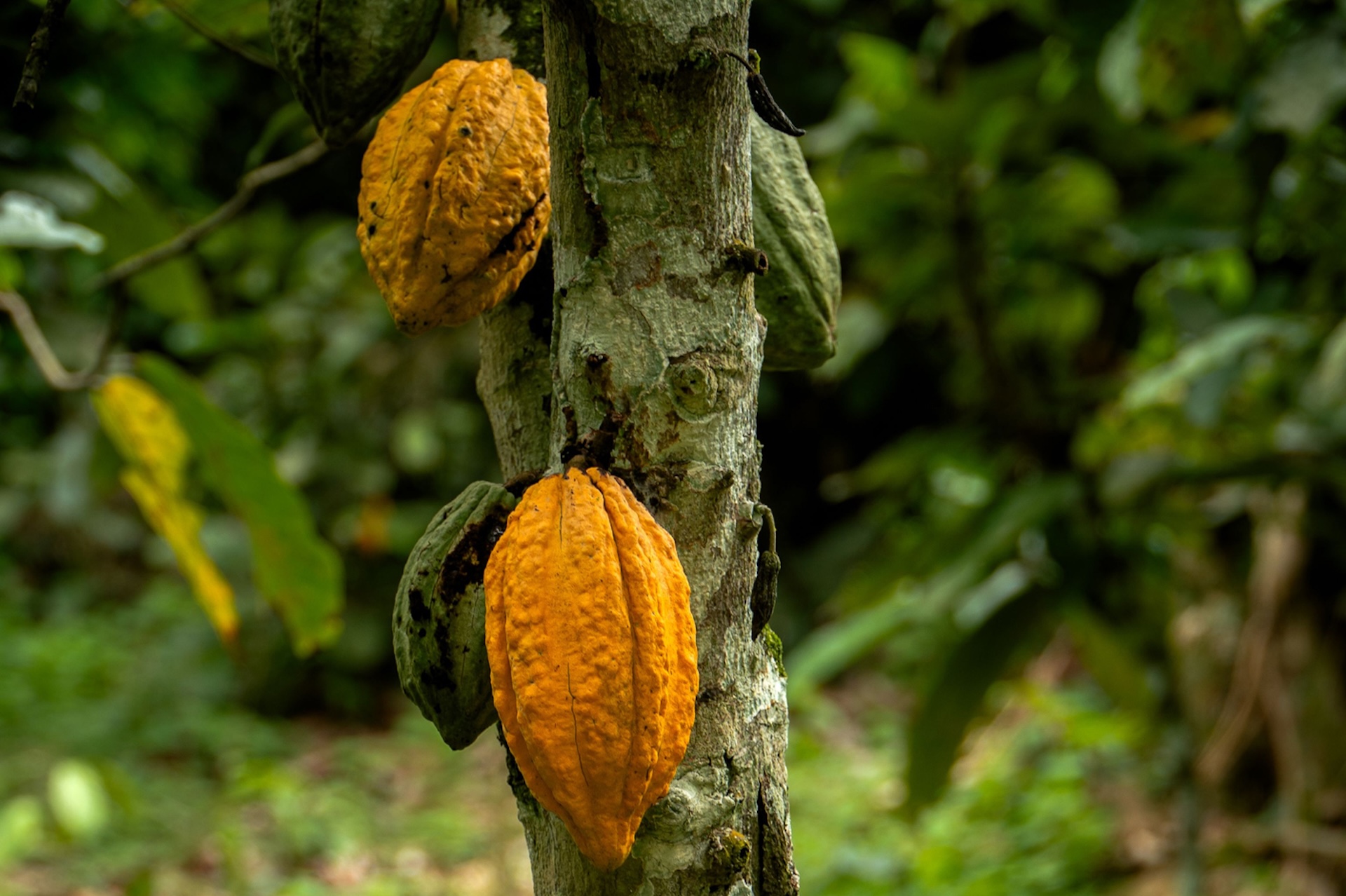
Liberia’s Grand Gedeh county was almost completely covered by natural forest until 2020, when the cacao boom drove communities to clear native woodland for income — a loss that could hurt them in the long run.
Here’s what to know
Until 2020, natural forests covered about 99% of Grand Gedeh in southeastern Liberia. Since then, cacao farms have expanded rapidly into those areas. Global Forest Watch data showed that Grand Gedeh’s 2025 forest loss exceeded any single-year total recorded by another Liberian county since 2002.
A major reason is cross-border pressure from Côte d’Ivoire. Mongabay reported that Grand Gedeh borders the world’s largest cacao exporter, where extensive forest clearing and aging, nutrient-poor plantations have pushed more cacao workers into Liberia as landowners offer plots in return for a share of cocoa profits.
In Zleh, the town chief told Mongabay that about 82% of the community’s 17,000 acres (6,900 hectares) of customary forest land had already been converted to cacao production.
Yei Neagor, who heads the Forestry Development Authority’s regional office in Zwedru, told Mongabay that Gbarzon has suffered the most damage. “I will be honest to tell you that about 70% of the forest there is gone,” she said.
Why is this significant?
In Grand Gedeh, forests are being traded for school fees, home repairs, and a shot at financial stability.
Residents of Boundary, a town inside an FDA-registered community forest, told Mongabay that cocoa income had helped families fix roofs and send children to school abroad.
Forest loss can weaken local food systems, reduce biodiversity, intensify heat, and leave communities more vulnerable to flooding and other climate-related disruptions.
Mohammed, a cacao farm worker near the town of Zleh in Grand Gedeh’s Gbarzon district, explained, “In Côte d’Ivoire there are no forests, that’s why I came to Liberia.”
Southeastern Liberia’s forests are communally owned, and laws are supposed to govern how private individuals lease land for commercial agriculture. Mongabay reported that a local leader said those rules often are not being followed.
What’s being done?
Because commercial cacao farming is banned inside most Forestry Development Authority-registered community forests, some of the expansion is illegal. Ashai Wulu Gaye, who chairs a community forest in Grand Gedeh, said those legal protections are being ignored in practice.
Boundary youth leader Prince Tarley said, “It is not legal, I agree. But I live on the land. If you say I shouldn’t do cocoa, what do you expect me to do? I need something to live.”
A 2025 investigation by Liberian environmental outlet The Daylight found government officials in Grand Gedeh had participated in an illegal land transaction with a cocoa entrepreneur from Côte d’Ivoire.
Speaking to the outlet, longtime environmentalist and community rights advocate Silas Siakor said, “My experience with these situations is that there is always a line from that local guy who’s making the case about his livelihood being in jeopardy that comes up to some big shot somewhere up the chain.”
Get TCD’s free newsletters for easy tips, smart advice, and a chance to earn $5,000 toward home upgrades. To see more stories like this one, change your Google preferences here.
Credit: Source link