

ICE Sends More Than 100 Immigrants to 8 African Nations Under Renewed Third-Country Deportation Push
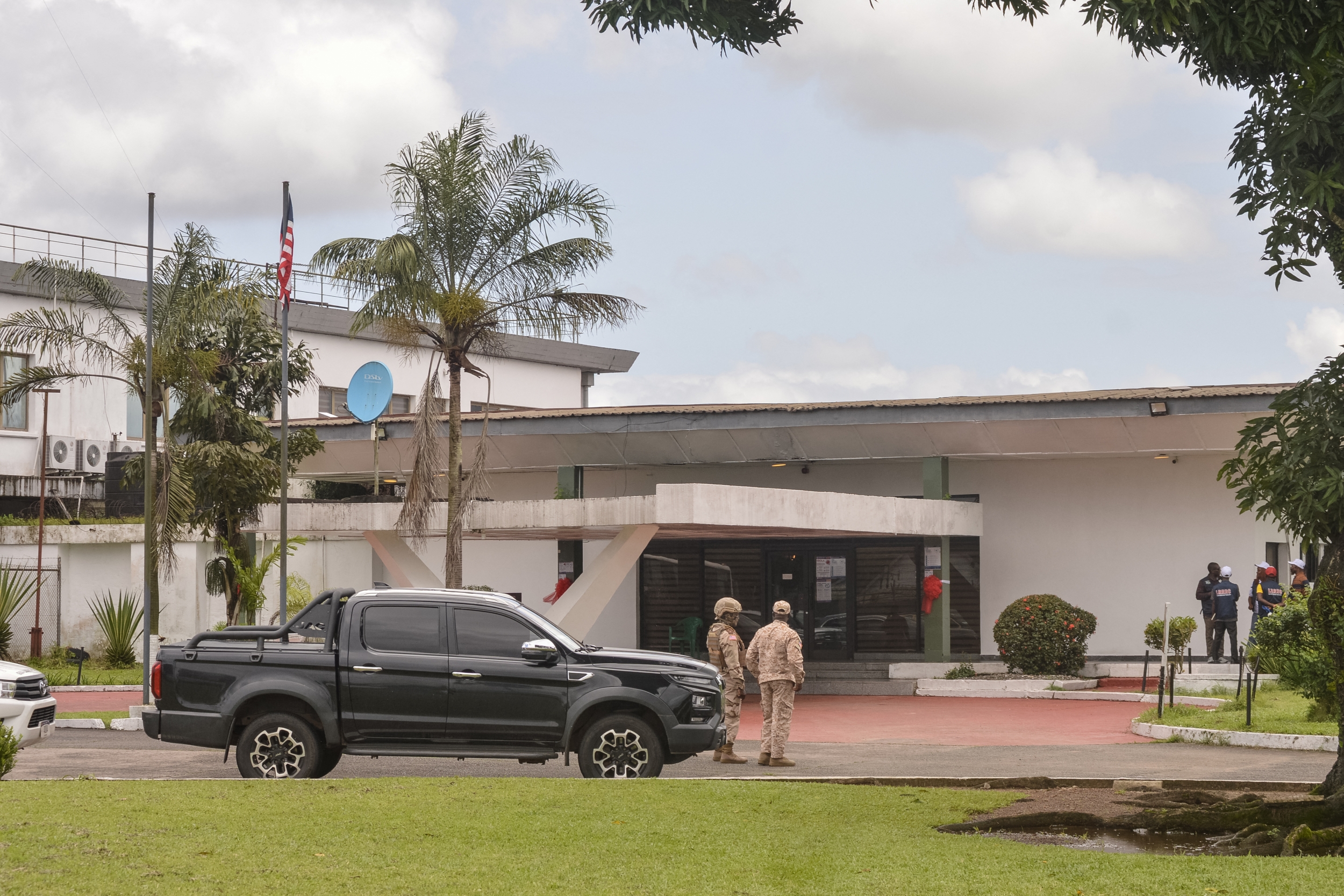
Photo by Matthew Jacobs / AFP via Getty Images
The Trump administration deported more than 100 immigrants over a 10-day period to eight African countries where they were not citizens, according to internal U.S. government documents obtained by CBS News, marking an expansion of its use of so-called third-country deportations.
Three Immigration and Customs Enforcement flights transported deportees from countries including Afghanistan, Cuba, Nicaragua, Iran, Nepal, Turkey and Venezuela to Burundi, Cameroon, the Central African Republic, Equatorial Guinea, Eswatini, Liberia, Rwanda and Sierra Leone, CBS reported Sunday.
None of the deportees were nationals of the countries receiving them, CBS News reports.
More than 30 countries have agreed to accept third-country deportees from the United States, including a growing number in Africa. Some agreements appear limited to African nationals, while others have allowed the U.S. to send people from Latin America, Asia and Europe.

by Matthew Jacobs / AFP via Getty Images
DHS said in a statement to CBS that when immigrants cannot or will not return to their home countries, the government is required to find another country willing to receive them.
The policy has increasingly affected people who have legal protections preventing their removal to their countries of origin. Among those sent to the Central African Republic was Khalil, a 24-year-old Afghan whose family assisted U.S. forces and who was granted withholding of removal after an immigration judge found he could face persecution in Afghanistan.
That protection prevented his return to Afghanistan but did not prohibit deportation to another country.
Accounts from deportees sent to West Africa also illustrate how the removals are being carried out. Ten people interviewed by The New York Times said they were given little information about their destinations and described being shackled, forcibly removed from aircraft or subjected to abusive treatment by ICE officers.
Leonardo Sánchez, a 49-year-old Cuban with serious abdominal injuries, said he spent hours in pain while restrained during a deportation flight and was denied use of the bathroom. DHS disputed parts of his account, saying he was medically cleared to fly and received appropriate care.
Other deportees told the Times they resisted disembarking in Liberia because they did not know where they were being taken. Several said agents used force against them. DHS did not address all of those allegations.
Third-country deportations have also expanded closer to the U.S. border. CBS reported earlier this month that Mexican nationals were sent to Guatemala and Honduras despite Mexico’s stated willingness to receive its own citizens.
The administration says it is using lawful options to increase deportations, while attorneys representing some detainees argue the policy leaves people stranded in countries where they have no ties.
© {{Year}} Latin Times. All rights reserved. Do not reproduce without permission.
Credit: Source link