

‘New Chapter’ Opens for Liberian Financial Inclusion | Business
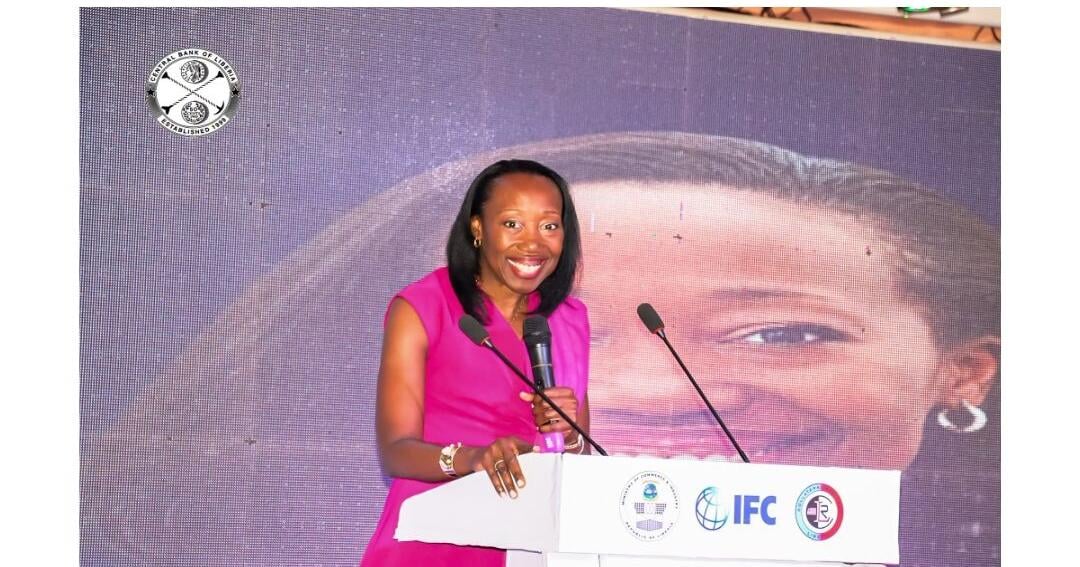
Liberia has opened what the World Bank Group describes as a “new chapter” in financial inclusion and private-sector development with the launch of an Enhanced Collateral Registry System designed to help businesses unlock financing from assets they already own.
The World Bank Group Country Manager for Liberia, Georgia Wallen, said the new system has the potential to remove one of the major barriers confronting businesses in Liberia—limited access to finance due to the lack of traditional collateral such as land and buildings.
Speaking at the official launch of the Enhanced Collateral Registry System in Monrovia on August 27, Wallen said the initiative could give entrepreneurs greater opportunities to access credit by allowing lenders to accept a wider range of productive assets as collateral.
“Today marks the beginning of a new chapter in financial inclusion and private sector development in Liberia,” Wallen said.
She urged stakeholders to ensure that the new system moves beyond being a technological innovation and translates into tangible financing opportunities for businesses, investment and employment.
“Let us work together to ensure that today’s new beginning for the enhanced collateral registry translates into more access to finance; more thriving businesses; and more jobs for Liberians,” she said.
According to Wallen, access to finance remains one of the biggest challenges facing Liberian businesses, particularly entrepreneurs and small enterprises that lack land or buildings that banks traditionally require as security for loans.
She said many businesses, however, possess productive assets—including inventory, equipment, livestock and receivables—that could potentially be used to secure financing.
“The Enhanced Collateral Registry helps bridge this gap,” Wallen said.
“It gives lenders greater confidence to accept a wider range of assets as collateral and helps borrowers unlock the value of assets they already own.”
The World Bank official said the reform could be particularly significant for micro, small and medium-sized enterprises (MSMEs), which she described as the backbone of Liberia’s economy.
By widening the range of assets that can be used as collateral, she said, the system could bring more businesses into the formal credit market and enable them to invest, expand operations and create jobs.
Wallen said the enhanced registry is not a completely new initiative, but a revival and modernization of an earlier effort to improve secured lending in Liberia.
The Central Bank of Liberia, with support from the International Finance Corporation (IFC) and funding from the Swedish International Development Cooperation Agency (SIDA), launched Liberia’s original Collateral Registry in 2014.
According to Wallen, that system facilitated more than US$237 million in financing within its first two years, with women accounting for more than half of the borrowers.
She said the achievement was particularly notable because it occurred during the Ebola crisis, when economic activity was depressed.
However, Wallen acknowledged that the initial progress later slowed due to technical, operational and market constraints.
The new system, she said, is intended to revive that original vision while addressing some of the shortcomings identified over the years.
“Today’s launch of the enhanced collateral registry revives the vision and is a bold step forward,” she said.
The upgraded registry is designed to facilitate lending against both movable and immovable assets, according to Wallen.
She said the enhanced technology would improve the reliability and availability of the registry while allowing it to connect with other registries and databases, giving lenders more seamless access to official and reliable information.
The reform is being supported by the World Bank Group through technical advisory assistance from IFC and the World Bank’s Liberia Investment Finance and Trade (LIFT) Project.
Wallen said the initiative forms part of broader secured-transactions reforms aligned with Liberia’s Vision 2030 and the ARREST Agenda for Inclusive Development.
The objective, she said, is to strengthen the foundations for more and better-paying jobs across Liberia.
Wallen emphasized that a functioning collateral registry requires more than technology.
She said the Central Bank, with technical assistance from IFC, is also implementing reforms to strengthen Liberia’s legal and regulatory framework governing secured transactions.
She cited the Amended Regulations for Secured Transactions and Collateral Registry (2026), which establish requirements for registering, amending and discharging financing statements and clarify the obligations of lenders and borrowers.
“These reforms will help lenders make better-informed decisions, manage risk more effectively, and expand access to finance,” Wallen said.
She cautioned, however, that technology and regulations alone would not guarantee the success of the system.
“Lessons learned from the past show that technology and regulations alone are not enough,” she said. “The success of this Registry will depend on its widespread use.”
To promote widespread adoption, Wallen said the Central Bank, the Banking Institute of Liberia and IFC are preparing specialized training on movable and immovable asset financing.
The training is expected to begin in the first week of September.
A nationwide awareness campaign on secured transactions and the collateral registry is also planned to help businesses, financial institutions and other stakeholders understand how the platform works and how it can be used to expand access to credit.
Wallen said financial institutions must incorporate the registry into their lending practices, while businesses must understand how their assets can be leveraged to obtain financing.
Regulators, courts and other supporting institutions, she added, must ensure that the system remains transparent, trusted and effective.
The World Bank official also pointed to the development of Liberia’s credit reporting infrastructure as another important component of the financial-sector reform agenda.
She said the Government and Central Bank, with support from the LIFT Project, are investing in the deployment of a credit reporting system.
Wallen said the collateral registry and credit reporting system would complement one another by giving lenders better information to assess borrowers and manage lending risks.
“Together, the upgraded Collateral Registry and related legal, regulatory and institutional reforms, will help lenders make better-informed decisions, manage risk more effectively, and expand access to finance,” she said.
Wallen stressed that the significance of the Enhanced Collateral Registry extends beyond the creation of a digital database.
She said the system is part of a broader effort to create economic opportunities, strengthen entrepreneurship, support business investment and contribute to Liberia’s economic growth.
“Ultimately, the Enhanced Collateral Registry is more than a database,” Wallen said.
“It is part of a broader effort to create economic opportunity, support entrepreneurship, and enable businesses to invest, create jobs, and contribute to Liberia’s growth.”
For the World Bank Group, the success of the initiative will ultimately be measured not by the launch itself, but by whether more Liberian businesses—especially smaller enterprises and entrepreneurs without conventional collateral—are able to secure affordable financing.
Wallen’s message to stakeholders was therefore clear: the enhanced registry has opened the door, but its ability to transform Liberia’s financial landscape will depend on how effectively banks, businesses, regulators, courts and other institutions use and strengthen the system.
The launch, she said, represents a new beginning—but the real test will be turning that beginning into more financing, more businesses and more jobs for Liberians.
Credit: Source link