

Kenyan tycoon Manoj Shah says stroke taught him to slow down
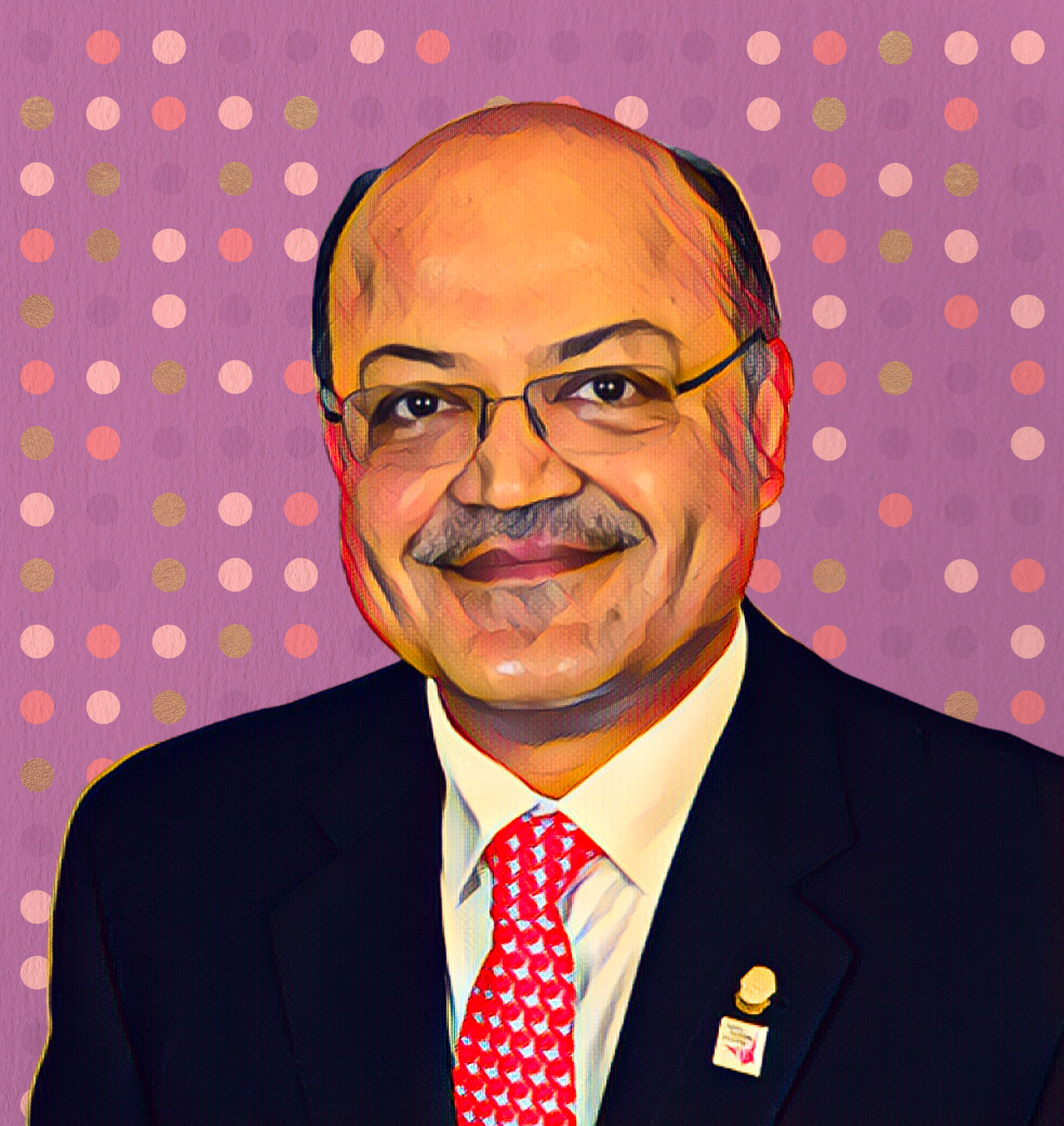
Kenyan tycoon Manoj Shah, who built Osho Chemical Industries into a regional supplier of farm and industrial chemicals, says he learned the cost of never taking a break only after his health forced him to stop.
Shah founded the Nairobi-based company in 1993, when he was 28, with six employees selling chemicals to textile mills, Business Daily reported in a profile published on Thursday.
More than three decades later, Osho employs more than 500 people, whom the company calls “Osholites.” It operates in Kenya, Tanzania, Uganda, Zambia and Malawi.
The company sells crop protection products, animal health treatments, public health chemicals and industrial chemicals from its base in Nairobi’s Industrial Area. Its products reach farmers, livestock keepers and manufacturers across East and Southern Africa.
Osho has also played a role in regional emergencies. It supplied chemicals used to fight desert locust invasions in Ethiopia, Djibouti, Yemen, Tanzania, Uganda and Kenya, when swarms threatened crops across the region.
Shah’s growth came with a punishing work schedule. According to the profile, he rarely took holidays as he built the business, pushing on even when he was exhausted.
That changed last year, when he suffered a stroke that left the left side of his body paralyzed. Business Daily reported that he now appears to be recovering.
Shah says the experience changed how he thinks about work. “You have to listen to your body,” he said. “Sometimes it says it’s enough, but we always feel that we have to push on.”
His story reflects a wider group of Kenyan industrialists who built large businesses from small trading operations. Many of Kenya’s richest people made their fortunes in manufacturing and distribution, often expanding across East Africa as regional trade grew.
Osho’s growth has tracked the expansion of commercial farming in the region. Demand for crop protection and animal health products has risen as farmers seek higher yields and livestock owners invest in disease control.
The company’s reach into five countries gives it exposure to some of the region’s biggest agricultural markets. Its work on locust control also showed how private suppliers can support governments during crises that threaten food security.
Business Daily described Shah as a billionaire in its headline, though it did not give a figure for his net worth. Osho is privately held and does not publish financial results.
Shah is now focused on his recovery and on guiding a company that has grown far beyond its six-person start.
Crédito: Link de origem