

Is Your Child’s Lunch Box Safe?
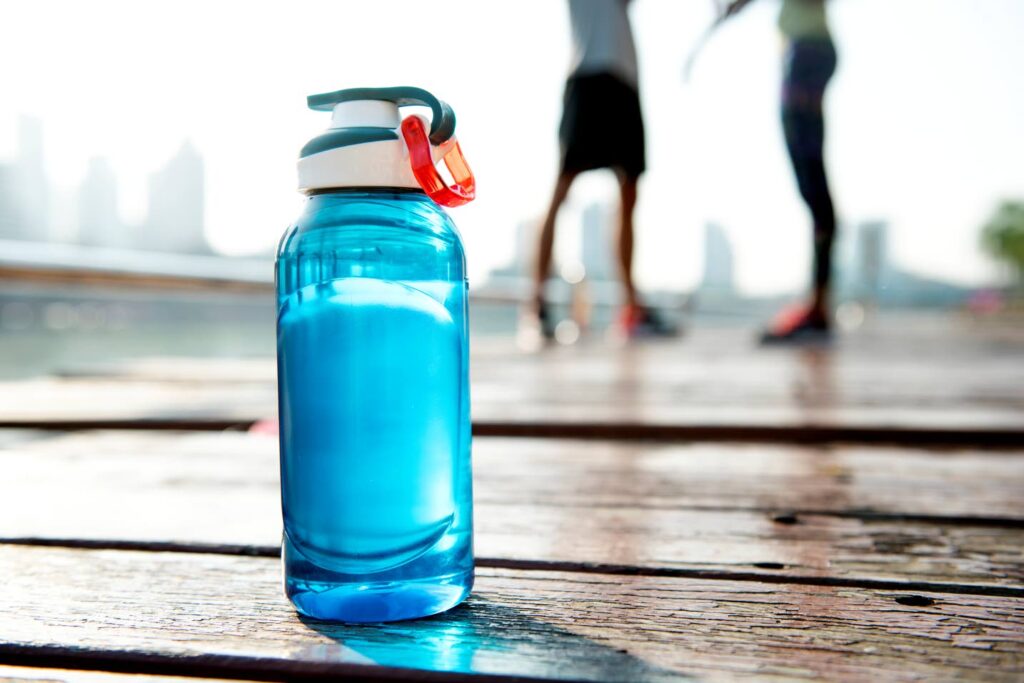
Reusable water bottles reduce waste, but they need regular care. Wash with warm water and detergent — paying extra attention to crevices where bacteria and mould build up.-
The back-to-school season is filled with shopping lists, new uniforms and the excitement of a fresh start. Parents carefully select notebooks, pencils and backpacks, but there is one essential item that often doesn’t receive the same attention — the lunch bag.
A well-packed lunch fuels a child’s learning throughout the day, but if it is not packed safely, it can also become a breeding ground for harmful bacteria. Food doesn’t have to look, smell or taste spoiled to make someone sick. In fact, many of the bacteria responsible for foodborne illness leave no obvious signs that food has become unsafe.
As children return to classrooms across Jamaica this school year, it’s worth asking a simple question: Is your child’s lunch staying at a safe temperature until lunchtime?
Temperature Matters More Than You Think
Bacteria grow rapidly between 4.4°C and 63°C, commonly referred to as the “danger zone”. Within this temperature range, some bacteria can double in number in as little as 20 minutes.
Many school lunches are prepared early in the morning and may not be eaten until four or five hours later. Without proper temperature control, foods that require refrigeration can spend several hours in conditions that allow bacteria to multiply.
An insulated lunch bag by itself slows down warming, but it does not keep food cold indefinitely. To keep perishable foods safe, parents should pack at least one frozen ice pack inside the lunch bag. Freezing a juice box or small bottle of water overnight can also help maintain a cooler temperature while providing a cold drink by lunchtime.
Not Every Lunch Travels Well
Some foods are naturally better suited for school lunches than others. Fresh fruit, whole vegetables, crackers, hard cheeses and shelf-stable snacks generally tolerate the school day much better than highly perishable meals.
However, many of the lunches Jamaican children enjoy require extra care. Sandwiches containing chicken, ham, tuna or eggs should always be kept cold. Rice and peas with chicken, pasta dishes, cooked meats and meals containing coconut milk should also be packed with ice packs if they will remain unrefrigerated until lunchtime.
This doesn’t mean these foods cannot be packed — it simply means temperature control becomes even more important.
A Few Simple Morning Habits Make a Big Difference
Safe lunch packing begins before children even leave the house. Keep prepared lunches refrigerated until it is time to leave for school rather than leaving them on the kitchen counter while everyone gets ready.
If using leftovers from dinner, cool them quickly after cooking and refrigerate them promptly. Reheat leftovers thoroughly before placing them into a pre-heated insulated food container if they are intended to be eaten hot.
Avoid preparing lunches the night before unless they can remain refrigerated until the following morning.
Choosing the Right Lunch Bag
When purchasing school supplies, consider the lunch bag just as important as the backpack. Choose an insulated lunch bag with a well-fitting zipper and enough room for an ice pack. Thin fabric lunch bags without insulation offer very little protection against rising temperatures, especially during Jamaica’s warm weather. If the insulation becomes damaged, torn or impossible to clean properly, it may be time to replace the bag.
Don’t Forget the Water Bottle
Reusable water bottles are excellent for reducing waste, but they also require regular cleaning. Simply rinsing with water is not enough. Wash bottles daily using warm water and detergent, paying special attention to lids, straws and rubber seals where bacteria and mould can accumulate. Allow them to dry completely before the next use.
Teach Children Good Food Safety Habits Too
Parents aren’t the only ones who play a role. Children should be encouraged to wash or sanitise their hands before eating, keep lunch bags zipped closed until lunchtime, avoid leaving lunch bags in direct sunlight whenever possible, and throw away food that smells or tastes unusual rather than taking a chance. These simple habits help reduce the risk of foodborne illness while reinforcing lifelong food safety practices.
A Few Common Myths
“If the food smells fine, it’s safe.”
Not necessarily, as many harmful bacteria do not change the smell, taste or appearance of food.
“An insulated lunch bag keeps food cold all day.”
The lunch bag is just as important as the backpack. Choose an insulated lunch bag with a sturdy zipper and material thick enough to protect contents against rising temperatures.
Only when combined with frozen ice packs or other cold sources.
“Mayonnaise is always the problem.”
Commercial mayonnaise is acidic and generally not the greatest concern. The larger risk is often the cooked meat, eggs or seafood in the sandwich becoming too warm.
Food Safety Is Part of Back-to-School Preparation
Parents spend weeks preparing children for academic success. Preparing lunches safely deserves the same level of attention. A quality insulated lunch bag, frozen ice packs, proper hygiene and thoughtful food choices can significantly reduce the risk of foodborne illness.
The goal isn’t simply to pack a lunch that children enjoy — it’s to ensure that the lunch they eat at noon is just as safe as when it was prepared that morning.
As students head back to school this year, remember that food safety doesn’t end when the lunch box is zipped closed. Every safe lunch packed today is another step toward keeping Jamaica’s children healthy, focused and ready to learn.
About the Author
Allison Richards is a food safety communicator, certified trainer and the founder of The Food Safety Girl, a consumer awareness platform promoting food safety in Jamaica and the Caribbean. She is the Caribbean Chapter Director for Women in Food Safety (WIFS) and host of The Big Bite Food Safety Show. With over 14 years of experience in food safety regulation, she is committed to public education and consumer empowerment. Through public education initiatives, including free community webinars, she continues to create space for learning, dialogue, and practical food safety awareness.