

Gov’t Sets Ambitious Health Reform Agenda | News
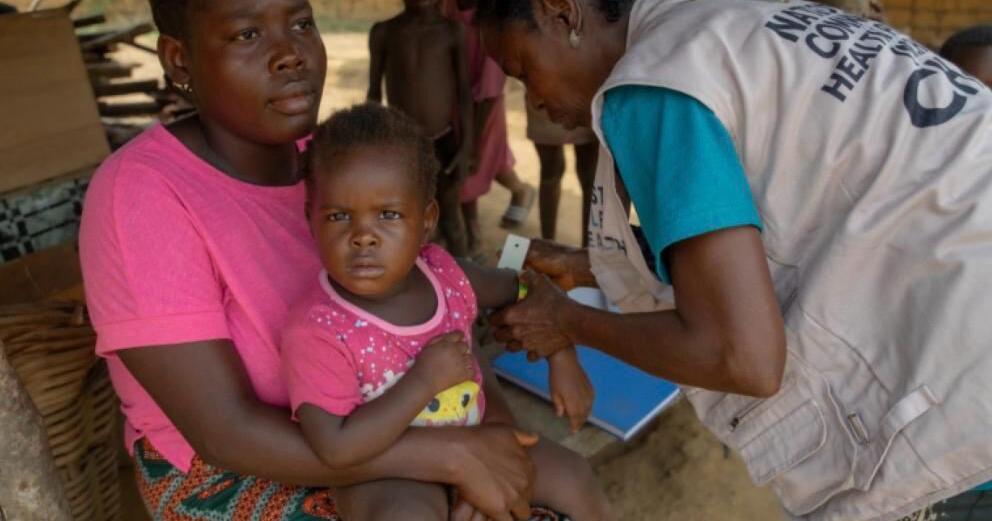
The Ministry of Health and its partners have concluded the 2026 National Health Review Conference with what health experts describe as one of the country’s most consequential policy conversations in recent years—a renewed national commitment to establish Universal Health Insurance (UHI), strengthen health financing, improve civil registration, and accelerate the decentralization of healthcare services.
Far more than an annual assessment meeting, the three-day conference, held from August 4–6 at the Paynesville City Hall, served as a strategic platform for evaluating the country’s health system against growing demands for affordable healthcare, sustainable financing, improved governance and better health outcomes.
Bringing together senior government officials, county superintendents, county health teams, development partners, civil society organizations, healthcare professionals, academics and private-sector stakeholders, the conference reflected a growing consensus that Liberia’s health sector has reached a critical turning point.
While significant gains have been made since the devastation of the Ebola epidemic and subsequent COVID-19 pandemic, participants acknowledged that persistent financing gaps, workforce shortages, unequal access to services, weak health information systems and heavy dependence on donor funding continue to constrain the country’s ability to achieve universal health coverage.
At the center of its all is the Universal Health Insurance, as the Ministry of Health renewed commitment to developing a policy framework and implementation roadmap for Universal Health Insurance—a reform many stakeholders believe could fundamentally reshape healthcare financing in Liberia.
Unlike the current system, where many households pay directly for medicines, consultations and medical procedures, Universal Health Insurance seeks to pool financial risks so that illness no longer automatically translates into financial hardship.
Participants agreed that too many Liberian families continue to postpone treatment, abandon medication or avoid hospitals altogether because they simply cannot afford healthcare.
The proposed insurance system therefore aims to reduce catastrophic out-of-pocket spending while ensuring hospitals and clinics receive more predictable financing.
Health experts at the conference stressed, however, that introducing an insurance scheme alone will not solve Liberia’s healthcare challenges.
Instead, they argued that successful implementation will require sustainable domestic financing, transparent governance, effective provider-payment systems, strong accountability mechanisms and improvements in service delivery.
The discussions also explored options for increasing domestic resource mobilization and reducing the country’s long-standing dependence on external donor financing.
Perhaps the most significant policy message emerging from the conference was the growing recognition that Liberia must gradually build a health financing model capable of sustaining itself beyond international assistance.
For decades, much of the health system has relied heavily on development partners, particularly following years of civil conflict and the Ebola outbreak.
While partners such as the World Health Organization (WHO), the United States Government, the European Union, China and the United Nations have invested substantially in rebuilding the sector, policymakers increasingly acknowledge that donor assistance alone cannot guarantee long-term sustainability.
Universal Health Insurance therefore represents not simply a financing mechanism, but a broader strategy aimed at creating a more resilient health system capable of withstanding future public health emergencies.
Health economists frequently argue that healthcare should be viewed not merely as social spending but as an economic investment.
A healthier population generally translates into increased productivity, improved educational outcomes, reduced poverty and stronger national economic growth.
For Liberia—where preventable illnesses continue to impose significant costs on families—expanding financial protection could help reduce household poverty caused by medical expenses.
Stakeholders noted that many families currently sell assets, borrow money or delay treatment because healthcare remains financially inaccessible.
Universal Health Insurance, if effectively implemented, could significantly reduce those pressures while increasing early access to medical services.
Decentralization Remains a Priority
Beyond financing, decentralization emerged as another major pillar of the conference.
Speaking on behalf of the Council of Superintendents, Nimba County Superintendent Kou Meapeh Gono praised the Ministry of Health for strengthening collaboration with county administrations.
“We are very proud of the Ministry of Health as it is one of those institutions that have fully decentralized,” Gono said.
She commended Health Minister Dr. Louise M. Kpoto and her leadership team for ensuring county authorities remain actively involved in national health planning.
According to Gono, county administrations often identify emerging health challenges long before they reach national policymakers.
“They are closest to the people,” he observed, arguing that successful healthcare reform requires stronger collaboration between county health teams and local government authorities.
She also acknowledged the continued support of Liberia’s international partners—including the United States, China, the United Nations and the World Health Organization—for strengthening the country’s health sector.
Her remarks underscored a broader consensus that meaningful reform must extend beyond Monrovia and reach underserved communities throughout Liberia’s fifteen counties.
Another landmark achievement of the conference was the official launch of Liberia’s Birth and Death Registration Policy (2026–2031).
Deputy Minister for Policy, Planning and Monitoring and Evaluation Attorney Malayah Tamba Chieyoe officially unveiled the policy.
“I’m pleased to declare that the Birth and Death Policy 2026–2031 is hereby officially launched,” she announced.
Although often overlooked, civil registration is widely regarded by public health experts as one of the foundations of effective healthcare planning.
Without accurate birth and death records, governments struggle to determine disease patterns, maternal mortality rates, child survival trends, vaccination coverage and population growth.
Reliable civil registration data also strengthens national budgeting, health planning, disaster preparedness and disease surveillance.
For Liberia, improving birth and death registration is expected to enhance evidence-based policymaking while complementing broader health reforms.
The conference repeatedly emphasized that policy discussions must now translate into implementation.
Historically, Liberia has produced numerous health strategies, policy documents and reform plans whose success has often depended on sustained political commitment, adequate financing and institutional coordination.
Participants acknowledged that the real measure of success will not be the quality of conference deliberations but the extent to which agreed reforms improve healthcare delivery in communities across the country.
Universal Health Insurance, for instance, will require new legislation, regulatory frameworks, financing arrangements, institutional capacity and broad public confidence before it can become operational.
Similarly, improvements in civil registration will depend on expanding registration services beyond urban centers into remote communities where many births and deaths currently go undocumented.
The conference also reflected broader realities confronting the health sector.
Although significant progress has been made since the Ebola epidemic exposed severe structural weaknesses in the country’s healthcare system, many facilities continue to face shortages of trained personnel, medical equipment, essential medicines and modern infrastructure.
Rural communities remain disproportionately affected by limited access to specialized healthcare, while referral hospitals—including the John F. Kennedy Medical Center—continue to experience increasing patient volumes from across the country.
Health experts argue that strengthening primary healthcare, expanding county-level services and improving preventive care will be essential if Universal Health Insurance is to succeed.
Insurance alone cannot improve health outcomes if healthcare facilities lack sufficient personnel, equipment or medicines.
Taken together, the conference outcomes suggest that Liberia’s health reform agenda is entering a new phase—one that places greater emphasis on financing reform, accountability, decentralization and evidence-based planning.
The discussions reflected a growing understanding that achieving universal health coverage requires more than expanding access to healthcare; it requires building a system capable of delivering quality services consistently, efficiently and equitably.
For many participants, the conference represented an important shift from diagnosing problems to identifying practical solutions.
Yet they also acknowledged that implementation would demand sustained political leadership, stronger domestic investment and continued collaboration among government, development partners, healthcare workers, academia, civil society and local communities.
Credit: Source link