

Congo: Semlex company referred to the criminal court on charges of international corruption
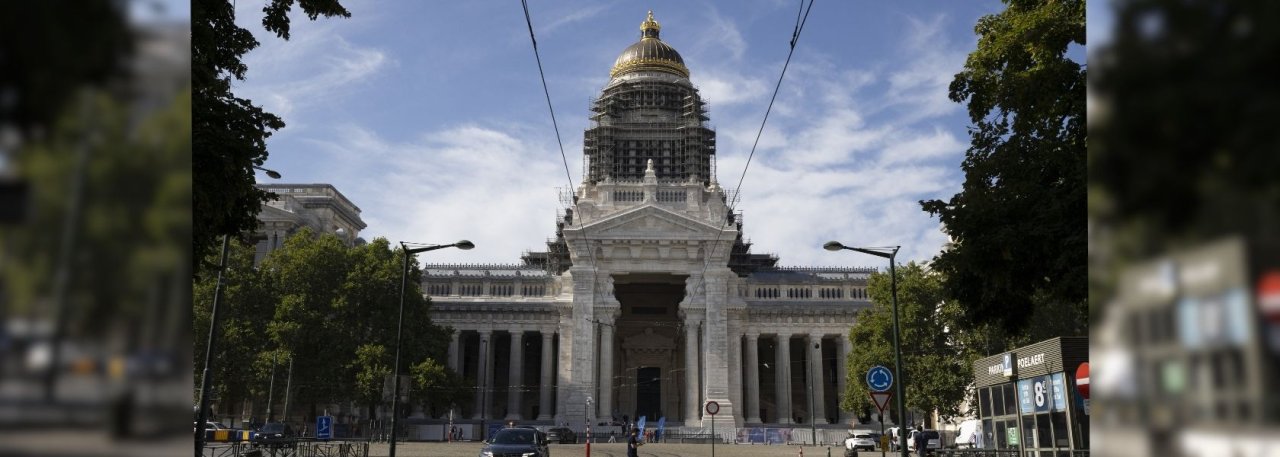
Kinshasa, Brussels, 31 August 2026. The civil parties welcome the decision handed down this morning by the Brussels Council Chamber today to refer the 14 defendants in the Semlex case to the criminal court. They will have to answer allegations of bribery of foreign public officials, money laundering and tax fraud in connection with the contract for Congolese biometric passports.
Semlex, the company that produced the Democratic Republic of Congo’s (DRC) biometric passports between 2015 and 2025, is the first Belgian company to be referred to a Belgian criminal court over alleged foreign bribery, with the prospect of the case being examined on its merits.
In May 2020, 51 Congolese citizens brought a civil action before the Belgian courts with the support of the coalition Le Congo n’est pas à vendre (Congo Is Not For Sale). They were joined by the International Federation for Human Rights (FIDH), the Human Rights League (LDH), UNIS, Transparency International and Transparency International Belgium, all of which joined the proceedings as civil parties in this landmark case.
The civil parties commend the work of the investigators who, over nearly nine years, traced bank transactions, analysed hundreds of emails and electronic messages, interviewed numerous witnesses and suspects, and carried out letters rogatory in the DRC and the United Arab Emirates, where several of the companies involved were registered. This is one of the most thorough investigations ever conducted in Belgium into allegations of international corruption.
A US$60 million case
The accused are alleged to have set up a large-scale corruption scheme centred on the biometric passport contract. According to documents reported in the press, for every passport sold for US$185, US$60 was allegedly channeled to LRPS Ltd, a Dubai-based company believed to be linked to a close associate of former DRC President Joseph Kabila. The scheme is alleged to have resulted in the diversion of nearly US$60 million.
For the civil parties, this case concerns, above all, the Congolese people.
“We paid $185 for our passports, before learning from the press that some of that money had allegedly been used to bribe members of the political elite. We have a right to know where our money went. This trial will finally shed light on the matter” said Fred Bauma, Congolese citizen acting as a civil claimant.
“It is hoped that this case will also shed light on responsibilities at the Congolese level, which could lead to further legal action in the DRC, so that all those responsible in this case are held to account for their actions before the competent courts“, said Jean-Claude Katende, Vice-President of the FIDH and President of the African Association for the Defence of Human Rights (ASADHO).
This decision also marks a significant step forward for the Belgian justice system. Despite its commitments under the OECD Anti-Bribery Convention and the United Nations Convention against Corruption, the country has been criticised on several occasions for its inadequate enforcement of laws against the bribery of foreign public officials. This trial will be a major test of its ability to uphold these commitments.
“For far too long, Belgium has fallen short of its commitments to combat international corruption. This referral to court is historic: it demonstrates that a Belgian company can be held to account for serious alleged acts of corruption committed abroad” said Transparency International Belgium.
The signatory organisations stress that those brought before the court are presumed innocent. They hope that the trial will establish responsibility and send a clear message: Belgian companies must be held to account for their actions, including when alleged acts of corruption are committed abroad.
Credit: Source link