

Brazilian Stakeholders Advocate for 1.0% Industrial Hemp THC Limit Amid Tropical Climate Concerns
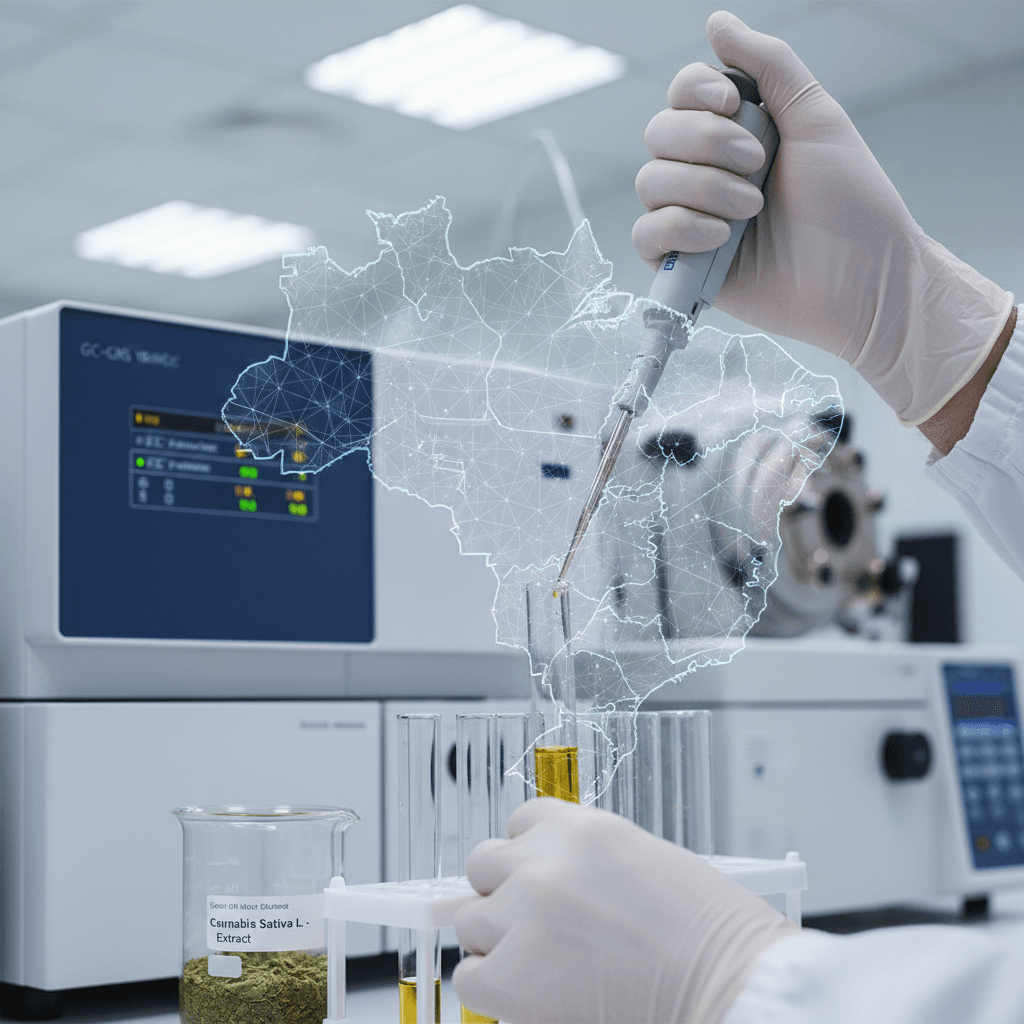
Brazilian agricultural and policy stakeholders are pressing for a 1.0% tetrahydrocannabinol (THC) threshold for industrial hemp cultivated in the field. This advocacy stems from the argument that the widely adopted 0.3% benchmark is not well-suited to tropical growing conditions and could impede Brazil’s competitive position in the global industrial hemp sector.
The latest effort is detailed in a policy paper, Technical Note No. 01/2026, jointly prepared by the Brazilian Agricultural Research Corporation (Embrapa), HempTech Brasil, and the Ficus Institute. The document, first reported by CannaReporter, serves as an expert advisory for regulators and policymakers as Brazil develops its comprehensive hemp framework.
Arguments for a Higher Industrial Hemp THC Threshold
The Technical Note asserts that the 0.3% THC benchmark should not be considered a universal scientific standard. It highlights that tropical climates can naturally elevate THC expression, even in legitimate industrial hemp cultivars. This natural phenomenon poses a risk for growers, as otherwise viable crops could exceed legal THC limits, potentially leading to fines and other financial penalties.
A 1.0% industrial hemp THC limit is proposed to offer several benefits:
- Wider Genetic Access: It would allow growers to utilize a broader range of CBD-rich genetics, which tend to exhibit higher THC levels alongside increased CBD content. This could lead to more efficient production for the medical CBD market.
- Reduced Crop Risk: The higher threshold would mitigate the risk of compliant industrial hemp crops inadvertently testing above the legal limit due to environmental factors.
- International Competitiveness: Aligning with other Latin American nations that already operate under more flexible standards, such as Argentina, Uruguay, Costa Rica, Ecuador, and Mexico, which permit a 1.0% THC limit. Colombia, for instance, allows up to 1.0% THC for flower production intended for cannabinoid extraction, while maintaining 0.3% for grain and fiber crops.
These arguments largely reinforce positions previously advanced by Embrapa researchers and other hemp stakeholders over several years, as Brazil gradually progresses toward a formal industrial hemp framework.
Brazil’s Evolving Regulatory Landscape
Brazil’s industrial hemp framework remains under development. Current regulations, approved by the National Health Surveillance Agency (Anvisa), permit tightly controlled cultivation of cannabis plants with up to 0.3% THC for medical and scientific purposes, primarily focusing on CBD extraction. These rules do not yet establish a system for fiber and grain production, which is a key area stakeholders are pressing regulators and lawmakers to address.
Discussions regarding Brazil’s THC limits commenced even before Anvisa’s existing rules were finalized. Hemp advocates and researchers have consistently argued that tropical countries require a distinct regulatory approach compared to colder-climate hemp producers, where the 0.3% standard originated and became widely adopted.
Stakeholder Collaboration and Future Outlook
The organizations behind the Technical Note represent a combination of scientific, policy, and industry expertise:
- Embrapa: Brazil’s leading agricultural research agency.
- HempTech Brasil: An initiative focused on hemp research and policy.
- Ficus Institute: A non-profit organization dedicated to cannabis policy, regulation, and market development in Brazil.
Their collective effort underscores the industry’s commitment to shaping a regulatory environment that supports the growth and competitiveness of Brazil’s industrial hemp sector. The ongoing dialogue aims to ensure that future regulations are informed by agronomic realities and international best practices, rather than a rigid application of inherited standards that may not be suitable for the country’s unique climate.
Disclaimer: This article is for informational purposes only and does not constitute medical advice. Hemp Gazette does not provide medical recommendations, diagnoses, or treatment plans. Always consult a qualified healthcare practitioner before making any decisions regarding your health or any medical condition. Statements concerning the therapeutic uses of hemp, cannabis, or cannabinoid-derived products have not been evaluated by Australia’s Therapeutic Goods Administration (TGA). Medicinal cannabis products in Australia are accessed via prescription pathways under TGA regulation.