

Brazil unable to make magnets from own raw materials until 2032 — SCMP
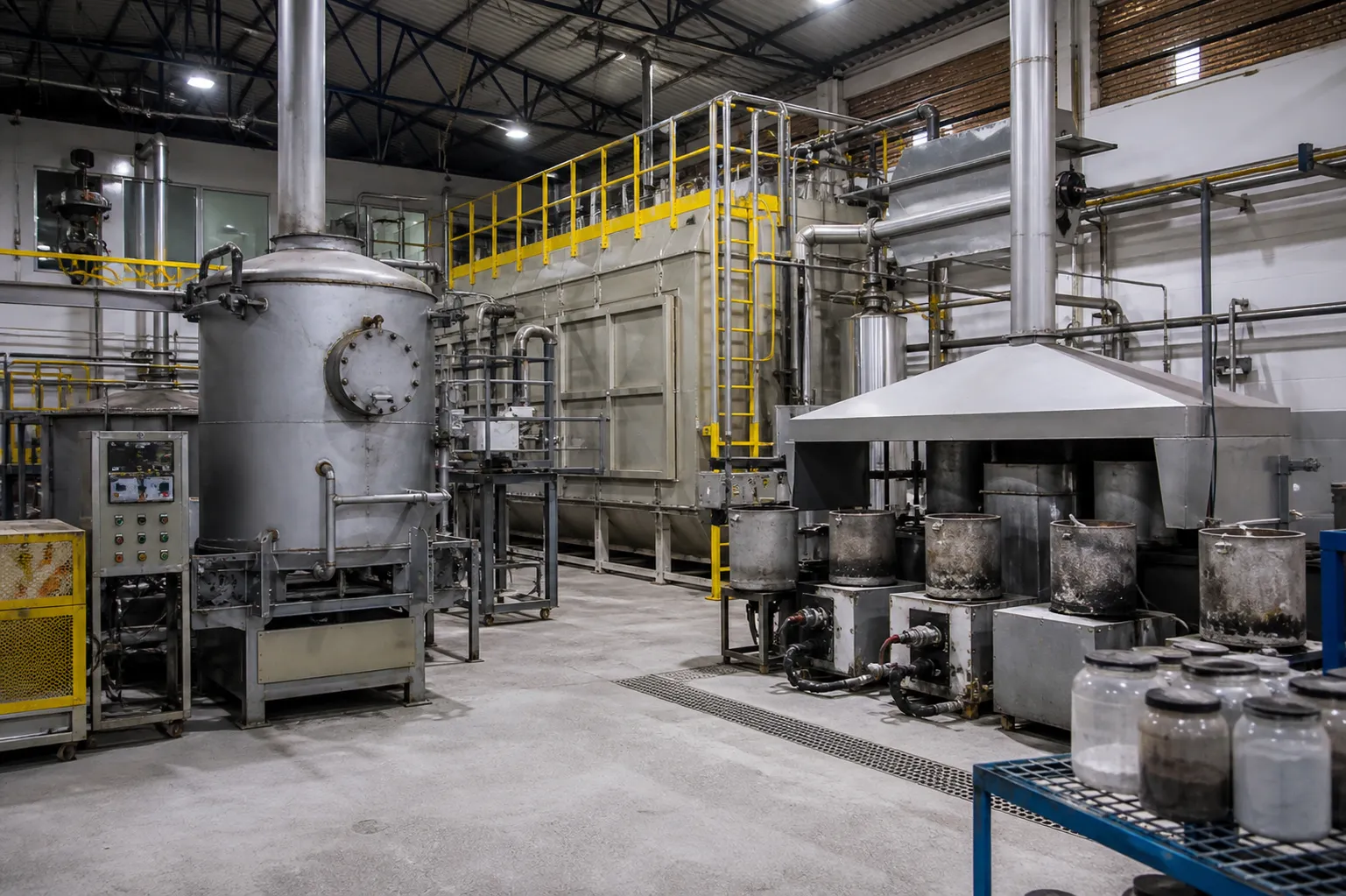
Brazil will not be able to manufacture rare-earth permanent magnets from its own raw materials until at least 2032. André Luiz Pimenta de Faria, coordinator of Brazil’s main pilot magnet production plant, stated this during the Exposibram mining congress.
As the South China Morning Post reports, the Senai plant may produce its first batches of magnets by the end of 2028, but it will use imported raw materials for this. According to Faria, a full-cycle permanent magnet production process could be established in 2032–2035.
Dependence on imported processing
The pilot plant operates using Asian technology selected during its design, while purchasing processed ore for its furnaces abroad. Brazil also does not produce high-purity electrolytic iron, although it is among the world’s two largest iron ore exporters.
Pablo Cesário, CEO of the Brazilian Mining Institute, called even these timeframes optimistic. By his estimate, the average period between confirming reserves and starting extraction in the country is 17.2 years.
More current news is available on the UA.News Telegram channel Telegram.
Rare-earth permanent magnets are used in electric vehicle motors, wind turbines, industrial robots and high-precision weapons. China produces about 90% of the global volume of such magnets.
Bill and competition for raw materials
Brazil barely processes the minerals it extracts and has no commercial magnet production plant. Serra Verde operates in the state of Goiás and says it is the only producer outside Asia capable of manufacturing, on an industrial scale, the full range of rare-earth elements for magnets. In April, US company USA Rare Earth signed an agreement to acquire Serra Verde for $2.8 billion.
A bill on a national policy for critical minerals and a fund guaranteeing financing for mining projects is being delayed in Brazil’s Senate. Mining industry representatives fear that a council under the president envisioned by the document could influence long-term supply contracts and changes in company ownership, which they believe could deter investors.
The Magbras project, which includes 28 companies and seven research institutes, participates in a European raw materials partnership program and is negotiating with Germany, Sweden, Switzerland and Norway.
Download our app
