

Boko Haram, ISWAP Ambushes Kill 14 Soldiers in Borno; Civilians Trapped Between Terror and Hunger
Displaced families in Pulka and Ngoshe struggle with hunger, trauma, and ongoing insecurity.
By Suleman Ayuba
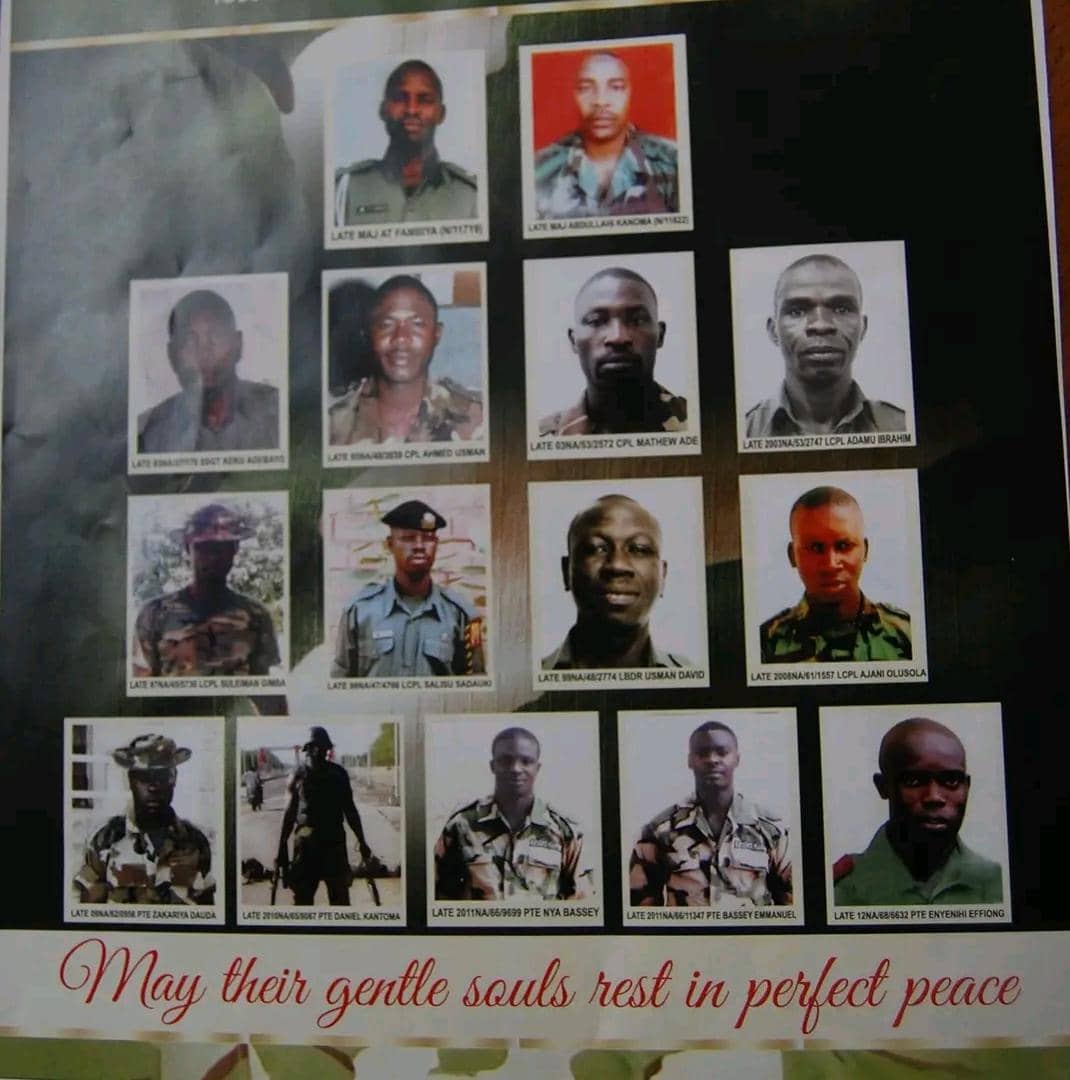
MAIDUGURI, Nigeria — Fourteen Nigerian soldiers have been killed in a series of coordinated Boko Haram and ISWAP attacks across Borno State, underscoring the rising operational toll on frontline forces and the worsening humanitarian crisis in nearby displacement camps. Fresh ambushes, landmine detonations, and sustained insurgent pressure have left civilians in Pulka and Ngoshe trapped between terror outside the camp perimeter and hunger within it, as armed groups tighten control over surrounding farmland and supply routes.
Six Nigerian Army personnel were killed Aug. 6, in a fresh direct assault launched by Boko Haram insurgents in Gwoza Local Government Area Borno State, according to Sahara Reporters and unique interviews with TruthNigeria sources.
When combined with the death of an additional soldier killed in a separate Improvised Explosive Device (IED) blast along tactical transit routes, a total of 14 fallen soldiers paid the supreme price with three Civilian Joint Task Force sustaining injuries in the latest engagements. Other media reports cited no casualties in Borno clashes on July 22.
Buba Usman, a resident of Gwoza and a community vigilante (civilian guard) revealed deadly attacks and the resulting personnel casualties totaled 14 since July 22, in an interview with TruthNigeria. Buba confirmed a continuous stream of tactical casualties that underlines a grim trajectory for military enlisted men and leadership.
TruthNigeria received no responses from Nigeria Army headquarter to text messages and calls.
Guardian Nigeria has documented a comprehensive field report detailing the list of Commanding Officers and senior commanders killed in action this year and in recent operational cycles. High-ranking officers who have fallen in action include Brigadier General Oseni Braimah, Commander of the 29 Brigade, who was killed during a fierce confrontation with ISWAP and Boko Haram insurgents in Benisheikh, Kaga Local Government Area. Other notable Commanding Officers and senior military figures lost on the Northeast frontline include Brigadier General Musa Uba (Commander, 25 Task Force Brigade), Colonel Dahiru Chiroma Bako, Lieutenant Colonel Ibrahim Sakaba, and Colonel Muhammad Abu Ali.
In response to sustained insurgent activity, the Defence Headquarters has reiterated its operational commitment. In an official military press statement Director of Defence Media Operations, Major General Edward Buba, detailed ongoing counter-insurgency operations. The official briefings confirm that despite military losses, joint land and air strikes continue to target terrorist strongholds, resulting in neutralized insurgent units and recovered weaponry across the region.
Widespread Panic and Severe Hunger in Pulka IDP Camps.
Sarah Samuel, a survivor of Boko Haram massacres in Gwoz and a recent returnee from refugee camps in Cameroon told TruthNigeria that despite active military operations, the surge in violent raids has triggered panic among thousands of Internally Displaced Persons (IDPs) residing in camps around Pulka in Gwoza County (Local Government Area).
Displaced residents in the Pulka camps are currently fearing starvation since Boko Haram terrorists increasingly occupy surrounding agricultural Zones.
Samuel reports she and her family no longer venture out to cultivate or tend to their crops due
to the heavy presence of armed terrorists in the nearby fields. Trapped between the fear of terrorist ambushes outside the perimeter and escalating hunger inside the shelters, camp dwellers face an increasingly precarious survival.
Christian clergy in Pulka told TruthNigeria on condition of anonymity they confirmed the severe crisis facing displaced communities.
Recounting the tragic Ngoshe massacres—during which Boko Haram insurgents overran local military outposts, slaughtered scores of civilian residents, and abducted numerous women and children, the clergy emphasized that the deep psychological trauma of those events remain unhealed.
Despite escaping the initial slaughter in Ngoshe, survivors living in Pulka continue to exist under constant fear and deprivation, enduring difficult conditions in temporary shelters while anticipating potential fresh attacks.
Plight of Ngoshe Victims
The victims of the Ngoshe attacks represent one of the most severe humanitarian disruptions in Gwoza LGA, as highlighted in published reports by The PUNCH Newspaper.
Hundreds of individuals remain missing following the coordinated destruction of homes, local infrastructure, and places of worship in Ngoshe. Displaced families remain scattered across informal shelters in Pulka, separated from missing relatives and lacking sustainable access to food, healthcare, or protective shelter. Trapped between the devastation of their ancestral homeland and the threat of starvation in crowded displacement camps, the victims of Ngoshe continue to bear the heavy burden of the ongoing conflict along Nigeria’s eastern borderlands.
Suleman Ayuba is a TruthNigeria conflict reporter.
Related
Credit: Source link