

Professor urges lending reform for women farmers in Nigeria
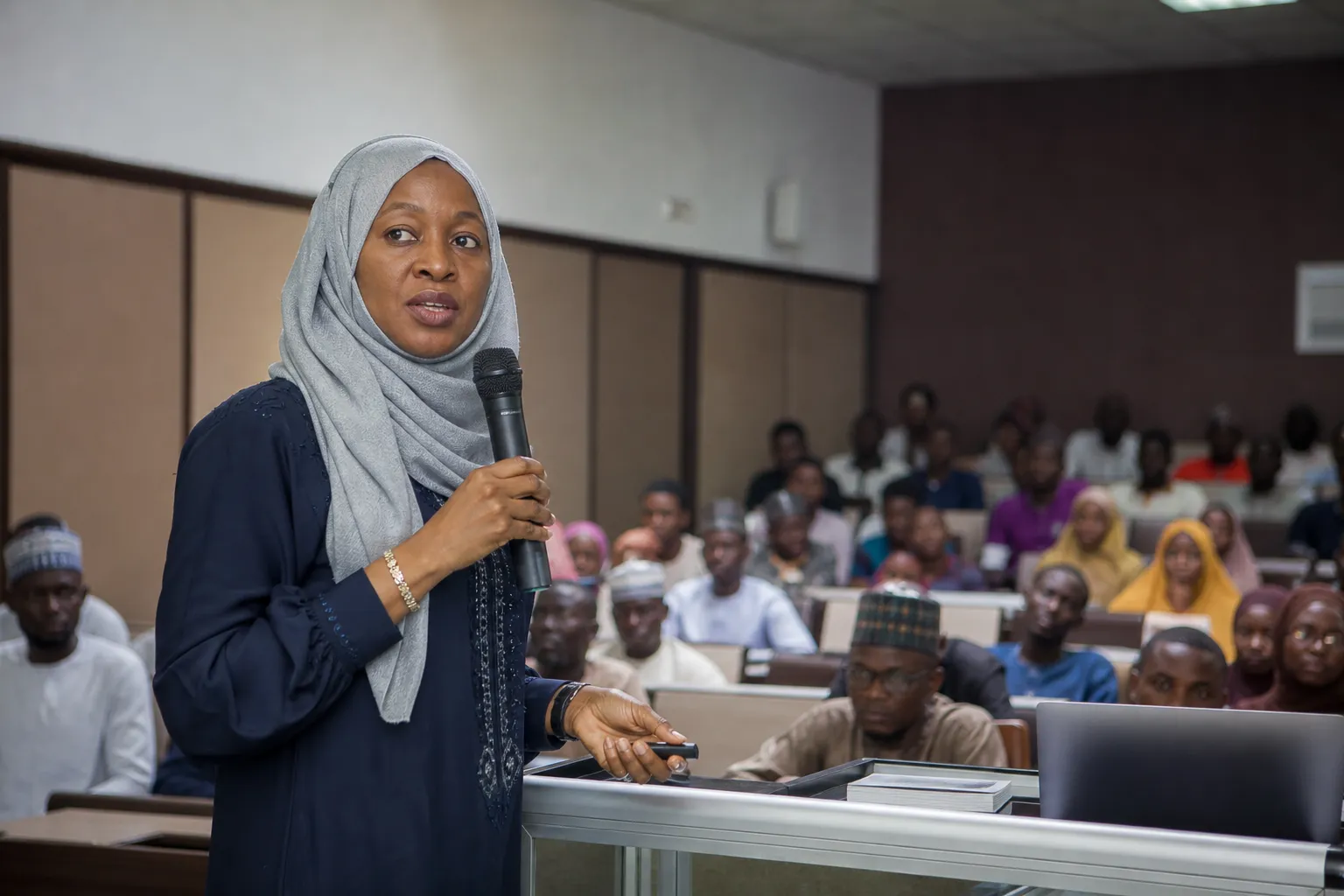
Taibat Yusuf, a professor of agricultural economics at Kwara State University in Malete, called on Nigerian authorities to remove structural barriers that limit women’s participation in agriculture. During the university’s 23rd inaugural lecture, she stressed the need for more accessible lending, land reform and the development of services for women farmers.
As Premium Times Nigeria reports, the lecture focused on narrowing the gender gap in the agricultural sector to transform agriculture and strengthen the country’s food security. Citing more than three decades of field research, Yusuf said that empowering women farmers is important for increasing productivity, reducing poverty and ensuring food security.
Land and access to finance
The professor proposed reforming inheritance rules to guarantee women the right to own and inherit land regardless of their marital status. She also advocated joint land ownership for married couples.
According to Yusuf, discriminatory land tenure practices are among the main barriers preventing women farmers from accessing loans, agricultural inputs and other means of production. She called for expanding microcredit programmes that do not require land collateral and for financial institutions to create loan products that take into account the realities of women’s work in agriculture. She separately stressed the development of digital financial services for women in remote rural communities.
More current news is available on the UA.News Telegram channel Telegram.
Services and infrastructure
Yusuf also proposed changing the agricultural extension system: hiring more female extension advisers, introducing flexible training schedules in view of women’s household responsibilities, and using mobile platforms to distribute advice in local languages.
In her view, investment in water supply, electricity supply and childcare in rural areas can reduce the burden of unpaid domestic work. She also recommended expanding access to mechanised equipment for processing produce and other labour-saving technologies designed for the needs of women farmers.
Food security
The professor stressed the importance of adult education, agricultural training and cooperatives for developing management skills, introducing technologies and strengthening women’s bargaining power. She called for support for agricultural processing, entrepreneurship and other income sources outside farming, as well as investment in roads, electricity supply, storage facilities, transport, cold-chain infrastructure and market information systems.
Yusuf proposed mandatory gender assessments of agricultural programmes and policies, increasing women’s representation on relevant committees, agricultural councils and farmers’ associations. She also supported separate budget allocations for gender-sensitive investments in agriculture and monitoring their effectiveness.
Download our app

Credit: Source link