

Arms Depots in Residential Areas Keep Libyans on Edge
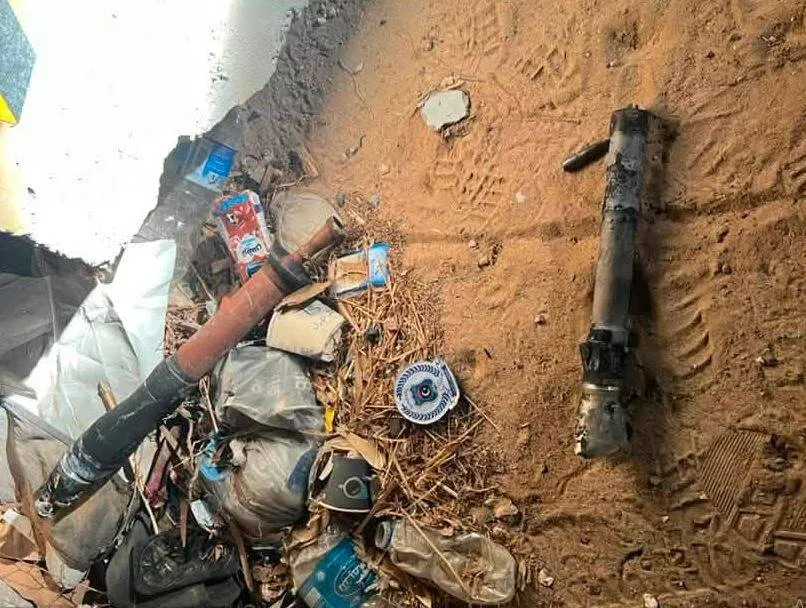
An explosion at a warehouse belonging to an armed group in the northwestern Libyan city of Misrata has revived fears over munitions stored among civilians despite an earlier order to remove such facilities from populated areas.
Weapons and ammunition depots inside residential areas have become a persistent challenge for Libya’s Government of National Unity (GNA) in the west and a growing concern for residents.
Friday’s blast in the Gharian area underscored the risks posed by ammunition depots run by armed groups inside residential neighborhoods. Residents have renewed calls for the facilities to be moved away from populated areas, fearing a repeat of earlier explosions that caused casualties and sparked widespread anger.
Salem Krawad, a Misrata notable, said public anger had “reached its peak because of the proliferation of weapons without decisive government action.”
“The danger is not limited to warehouses. It extends to homes containing shells, ammunition boxes, and light arms, raising fear among residents,” he told Asharq Al-Awsat.
Medical sources said the explosion at a warehouse belonging to an armed group calling itself the “Hurricane Brigade” caused injuries and panic after rockets and ammunition flew into the surrounding area, raising fears of further blasts.
By early Saturday, the operations room of the government-run Libyan Mine Action Center was still receiving reports from residents of intermittent ammunition explosions, a center source said.
The depots in the city were large and held various types of ammunition, the source added.
GNA Prime Minister Abdulhamid al-Dbeibah had not commented on the incident. He was visiting Misrata, where he toured a power station and attended a sports festival.

Interior Minister Emad al-Trabelsi ordered security agencies to survey and comb the areas around the blast site and remove remnants.
Local sources ruled out a deliberate attack as the cause of the explosion in Misrata. But the incident recalled a similar blast in August last year in the city’s al-Sukairat area that injured 16 residents.
That explosion sparked protests in Misrata, with residents demanding the removal of weapons and ammunition depots from residential areas.
Abdul Salam al-Zoubi, undersecretary at the Defense Ministry for regions and military affairs, then ordered the formation of a committee to identify alternative storage sites and clear existing depots from populated areas.
But the decision was never implemented, Krawad said, questioning why the depots remained in residential districts despite repeated calls to remove them.
Their continued presence “represents a latent danger threatening civilian lives and means an explosion could occur at any time,” he said.
Libya has faced widespread proliferation of weapons and ammunition since the fall of Muammar Gaddafi’s government in 2011, with military depots located near population centers. UN reports estimate there are about 20 million arms in the country, highlighting the scale of the challenge.
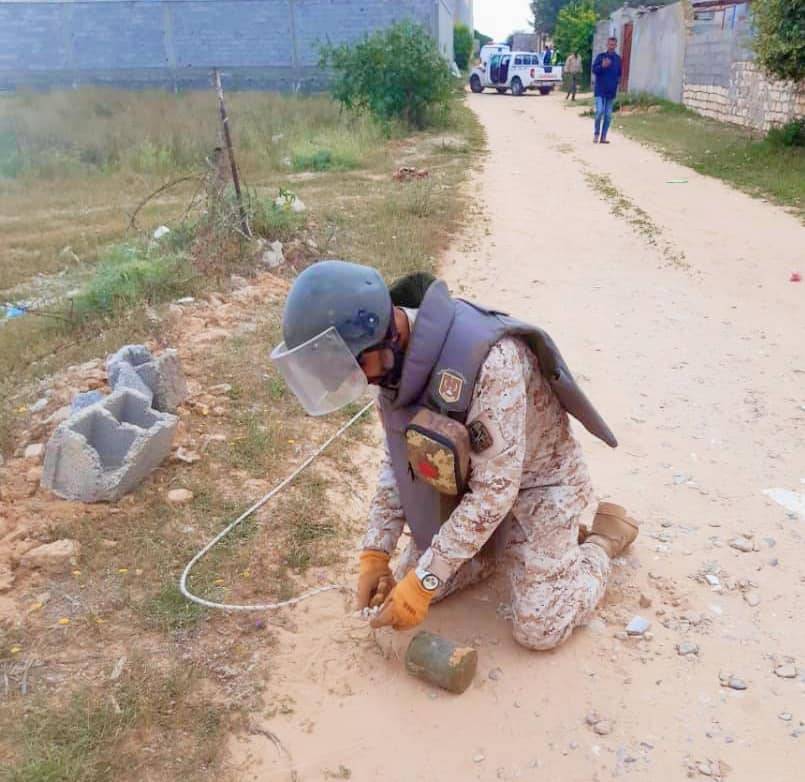
The danger goes beyond warehouse explosions. Official figures show that mines and explosive ordnance have caused 487 casualties since May 2020, including 175 deaths and 312 injuries. Eighty-seven of the victims were children.
Representatives of 10 countries and international partners to Libya warned at a meeting in Rome in May about unsafe ammunition storage, particularly depots near residential areas, saying they posed a continuing threat to civilians.
Despite the warnings, ammunition depots remain scattered through residential areas across Libya, according to the Libyan Mine Action Center. The risks increase in the south as temperatures rise, potentially raising the chances of improperly stored ammunition exploding.
Khaled Jibril, spokesperson for the Libyan Mine Action Center, renewed warnings that unsafe storage of ammunition and explosive remnants of war, especially near residential neighborhoods, posed a constant threat to civilians because explosions and other incidents could occur without warning.
Jibril told Asharq Al-Awsat that protecting civilians and reducing risks posed by ammunition and remnants of war required cooperation among the relevant authorities, with public safety prioritized and practical steps taken to stop haphazard storage and to move sources of danger away from populated areas.
The ongoing risks pose a challenge far beyond Misrata in a country still divided between two governments: The Tripoli-based GNA, headed by Dbeibah, and a parliament-appointed government, headed by Osama Hammad, that administers eastern Libya and southern cities.
Credit: Source link