

Zambia, Brazil and Ecuador Accelerate Carbon Markets as Article 6 Gains Ground

Carbon markets are entering a new stage. Governments are moving beyond climate plans and building systems to issue, track, and trade carbon credits. Three developments this week show how fast this shift is happening.
Zambia has launched an operational national carbon registry for Article 6 projects. Brazil plans to approve its first carbon credit methodologies under its future emissions trading system by the end of 2026. It is also considering deeper Article 6 cooperation with China. Ecuador’s National Assembly has approved reforms that would give carbon markets a legal basis.
The three moves are different, but they show the same trend. Governments are taking a bigger role in tracking, approving and trading carbon credits.
Carbon Pricing Is Moving From Policy to Infrastructure
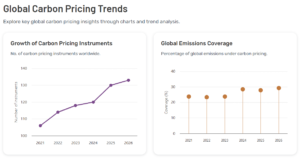
These developments come as carbon pricing expands around the world. The World Bank’s State and Trends of Carbon Pricing 2026 found that 87 carbon pricing policies were operating globally. Direct carbon pricing now covers more than 29% of global greenhouse gas emissions. It also generated more than $107 billion in public revenue in 2025.
The report also found that carbon credit issuance rose 8% between 2024 and 2025. Carbon prices, however, fell slightly overall. Higher-quality credits still earned price premiums. This is making the carbon market more demanding for countries that want to increase credit supply.
Governments need more than carbon projects. They also need clear rules for approval, measurement, reporting and verification. They need registries, accounting systems and safeguards.
Zambia, Brazil and Ecuador are now building these systems.
Zambia Switches On Its Article 6 Carbon Registry
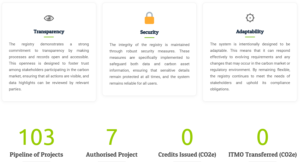
Zambia launched an operational national carbon registry on August 7 for projects under Article 6 of the Paris Agreement. The system is also expected to support voluntary carbon market projects.
The registry is part of Zambia’s wider carbon market system. The Zambia Environmental Management Agency (ZEMA) will administer it.
Zambia’s 2026 regulations require ZEMA to maintain the National Carbon Registry as part of the country’s measurement, reporting, and verification system. The registry will hold information on carbon credit projects and activities across the country.
This is an important step. A national registry helps governments track carbon units from project registration to issuance, transfer, and cancellation.
Zambia has also built a legal base for its carbon market. Its Green Economy and Climate Change Act No. 18 of 2024 regulates carbon markets and brings the Paris Agreement into national law.
Dr. Douty Chibamba, Permanent Secretary of the Zambian Ministry of Green Economy and Environment, remarked during the launch:
“Zambia’s Carbon Registry is fully online, demonstrating our integrity and strong commitment to accountability and transparency. We will ensure that all activities conform to the provisions of Zambia’s Green Economy and Climate Change Act and the Paris Agreement, and that actions related to our carbon credits are visible and can be reviewed by members of the public.”
The country’s carbon market framework covers both Article 6 activities and voluntary projects. It also includes rules for corresponding adjustments, fees, and the move of existing voluntary projects into Article 6 structures.
Zambia is also building international Article 6 ties. Its government signed an Article 6 cooperation agreement with Switzerland at COP30. Norway and Zambia also finalized cooperation covering credits from renewable power projects.
The new registry gives the Southern African country a stronger base to expand these activities.
Brazil Builds a Future Emissions Market
Brazil is taking a different approach. The country is building the Brazilian System for Emissions Trading, or SBCE, after passing Law 15.042/2024. The system will create a national cap-and-trade market. It will include rules for large emitters, emissions monitoring and reporting, and a central registry.
Brazil now plans to approve its first carbon credit methodologies under the future ETS by the end of 2026, according to a Brazilian official.
These methodologies are important. They set the rules for measuring emission reductions and removals. They also determine how those results can become eligible carbon units.
Brazil is also working on rules for international transfers under Article 6.2. In July, the government opened a public consultation on a draft resolution covering the approval and transfer of Internationally Transferred Mitigation Outcomes, or ITMOs. The proposal would connect ITMO approvals to the SBCE and require mitigation outcomes to be recorded in the system.
- The draft framework targets a reduction of 100 million tonnes of CO2e between 2031 and 2035. Up to 50 million tonnes could be approved for international transfer as ITMOs.
Brazil is also interested in an Article 6.2 memorandum of understanding with China. A deal could create another channel for ITMO transfers between two of the world’s largest economies.
Ecuador Revives Its Push for a Legal Carbon Market
Ecuador is taking another step after an earlier setback. The National Assembly recently approved reforms that would create a legal basis for carbon markets. The legislation now awaits the signature of President Daniel Noboa. News agencies reported that Noboa vetoed similar legislation in 2024.
The latest reform has gone through an extended legislative process.
Ecuador’s National Assembly said the proposed changes would separate regulated carbon markets, voluntary carbon markets and non-market approaches. The draft also proposes a National Climate Change Registry to track climate projects and carbon market transactions.
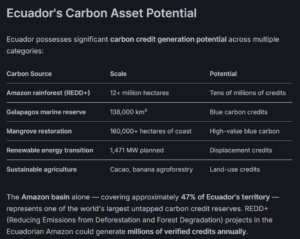
The reforms seek to improve transparency and tracking. They would also give Ecuador a clearer legal basis for taking part in international climate finance markets. This could be important for a country with large forests and other natural ecosystems.
The legislation also includes safeguards. Parliamentary discussions have focused on protecting Indigenous and local communities, ensuring fair benefit sharing and preventing the same emission reduction from being counted twice.
The reforms seek to open the market while giving the government greater oversight.
Article 6 Moves Toward Real-World Trading
These three developments also show how Article 6 is changing.
Article 6.2 allows countries to cooperate through internationally transferred mitigation outcomes. When a country approves an emission reduction for international transfer, it must apply a corresponding adjustment. This prevents the same emission reduction from counting toward the climate targets of two countries.
That rule makes national tracking systems essential. Governments need to know which credits exist, where they came from, and whether they have been approved for international use. They also need to track whether units have already been transferred or cancelled.
The UNFCCC’s Article 6 framework now includes detailed rules for reporting and reviewing these cooperative approaches. This is why registries, carbon credit methodologies and approval systems are becoming so important.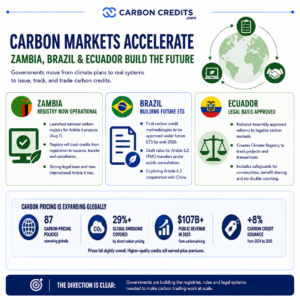
Quality Will Matter More as Markets Grow
The rapid growth of national carbon systems raises an important question: will buyers trust the credits?
The World Bank says the carbon credit market is becoming more focused on credit quality. Issuance increased 8% from 2024 to 2025, but prices fell slightly overall. Credits linked to international aviation and highly rated forest conservation and reforestation projects continued to earn price premiums.
This means countries cannot rely only on producing large numbers of credits. They need strong measurement systems and clear safeguards. They also need registries that provide reliable tracking.
Three Countries Show Where Carbon Markets Are Heading
Zambia, Brazil and Ecuador are at different stages. Each country is addressing a different part of the same challenge. Yet, their recent actions show how carbon markets are changing.
Zambia is putting market infrastructure into operation. Brazil is building a large future compliance market and preparing for international Article 6 transfers. Ecuador is working to create the legal certainty needed for carbon market activity after years of political and legal challenges.
If these systems work as planned, these three nations could become important participants in the next stage of international carbon markets. The message they are sending is straightforward: carbon markets are moving beyond policy plans. Governments are now building the registries, rules and legal systems needed to make carbon trading work at scale.