

Yemen’s Exiled Former President Abedrabbo Mansour Hadi Dies in Saudi Arabia
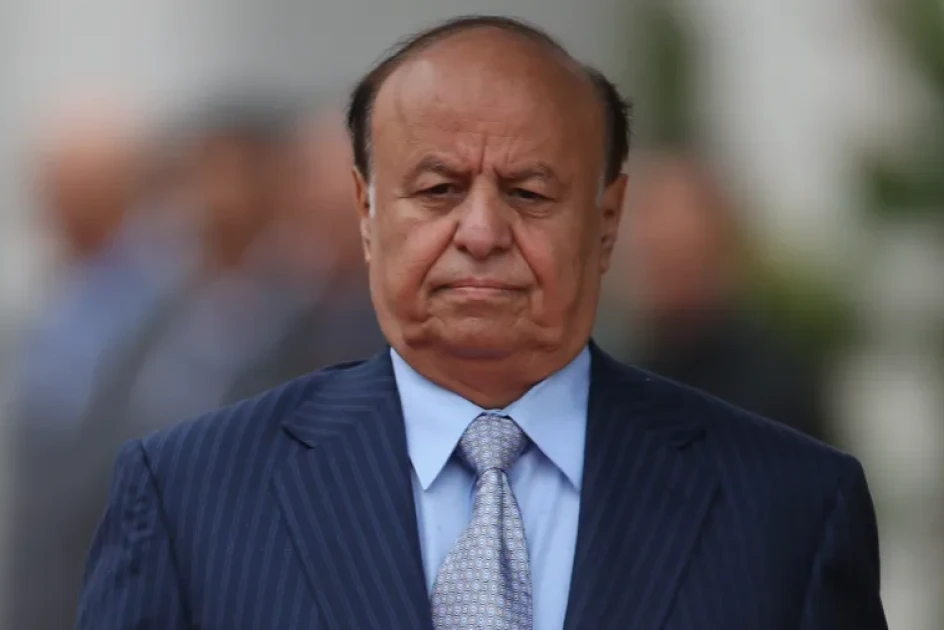
Abedrabbo Mansour Hadi, the deeply embattled former president of Yemen whose chaotic tenure oversaw the catastrophic collapse of the nation into a protracted civil war, has died at the age of 80 in Riyadh. His demise in exile closes a deeply tragic and highly complex chapter in Middle Eastern geopolitics, marking the final exit of a leader who was ultimately powerless to halt the fracturing of his country.
The Yemeni presidency formally announced the passing on Thursday, attributing his death to a sudden and severe health crisis. The government immediately declared three days of national mourning, mandating lowered flags and the opening of official condolence books. Yet, the solemnity of the state response stands in stark contrast to the brutal, divided reality of the nation he leaves behind, which remains fundamentally shattered by proxy warfare and extreme humanitarian suffering.
The Reluctant President and the Houthi Rebellion
Hadi’s ascent to the presidency in 2012 was born out of profound crisis, engineered as a stabilising compromise following the violent Arab Spring uprisings that forced the ouster of his predecessor, Ali Abdullah Saleh. A graduate of the British Sandhurst military academy and a long-serving defense official, Hadi was widely viewed as a transitional figurehead. He inherited a profoundly fragile state, entirely consumed by extreme poverty, deeply entrenched corruption, and highly aggressive tribal factionalism.
His administration suffered a fatal blow in 2014 when the Iran-aligned Houthi rebel movement violently seized control of the capital, Sanaa. The rapid insurgent advance exposed the complete structural collapse of the national military. Hadi was subsequently placed under suffocating house arrest, an indignity that culminated in his dramatic escape to the southern port city of Aden, and ultimately, his permanent flight to the safety of Saudi Arabia in early 2015.
The Devastating Proxy War in Exile
Operating from a heavily fortified compound in Riyadh, Hadi became the internationally recognised face of the Yemeni government, yet he possessed virtually zero operational control on the ground. His exile triggered a massive, multi-year military intervention by a Saudi-led coalition desperate to crush the Houthi insurgency and restore his administration. The ensuing military campaign unleashed one of the most catastrophic man-made humanitarian disasters of the 21st century.
Diplomats and political analysts frequently criticised Hadi for being hopelessly disconnected from the daily survival struggles of the Yemeni people. As millions faced acute starvation, unchecked cholera outbreaks, and relentless aerial bombardments, the exiled president was increasingly perceived as a compliant proxy for Saudi geopolitical interests rather than a sovereign leader fighting for his populace.
The Critical Data Behind Hadi’s Tenure
- 80: The age at which the former Yemeni president passed away while in exile in Riyadh.
- 2015: The pivotal year Hadi fled Yemen, triggering the devastating Saudi-led military intervention that continues to shape the region.
- 2022: The year he officially transferred his executive powers to an eight-member Presidential Leadership Council under immense international pressure.
- 3: The number of days of official national mourning declared by the current government to commemorate his passing.
The 2022 Transfer of Power and Legacy
Recognising the sheer impossibility of his return and buckling under immense pressure from his Saudi and Emirati benefactors, Hadi abruptly relinquished all executive authority in April 2022. He transferred his powers to a newly minted, eight-member Presidential Leadership Council led by Rashad al-Alimi. The transition, heavily brokered by the United Nations, was widely viewed as a desperate architectural reset to force a negotiated ceasefire with the deeply entrenched Houthi forces.
Global political historians will likely judge Hadi’s legacy with extreme severity. While defenders argue he was handed an impossible geopolitical puzzle deliberately sabotaged by regional superpowers, critics maintain that his chronic indecision and total reliance on foreign military intervention guaranteed the destruction of Yemen. He stood at the helm of a nation that essentially dissolved beneath his feet.
As the flags fly at half-mast in the territories still nominally controlled by the government, the true tragedy of Abedrabbo Mansour Hadi is not merely that he died in foreign exile, but that his entire presidency was defined by a devastating war he neither started nor possessed the capacity to end.