

Yemeni TV journalist killed in car bombing
JournalismPakistan.com |
Published: 26 June 2026 | JP Middle East Desk
Al Arabiya and Al Hadath correspondent Mohammed Aydah was killed when an explosive device detonated in his car in Mukalla on June 25, after he had been warned about threats. The Presidential Leadership Council ordered an investigation as the killing highlights ongoing risks to journalists in Yemen.
الاِرابیہ اور الاحداث کے رپورٹر محمد عیدہ 25 جون کو مکلا میں اپنی کار میں بم دھماکے میں ہلاک ہو گئے۔ صدارتی کونسل نے واقعے کی تفتیش کا حکم دیا اور صحافیوں کی حفاظت کی فکر بڑھ گئی ہے۔
اردو خلاصہ
MUKALLA, Yemen — A Yemeni television journalist working for Saudi-owned Al Arabiya TV and sister channel Al Hadath was killed in a car bombing in the southern port city of Mukalla, prompting authorities to launch an investigation into the attack.
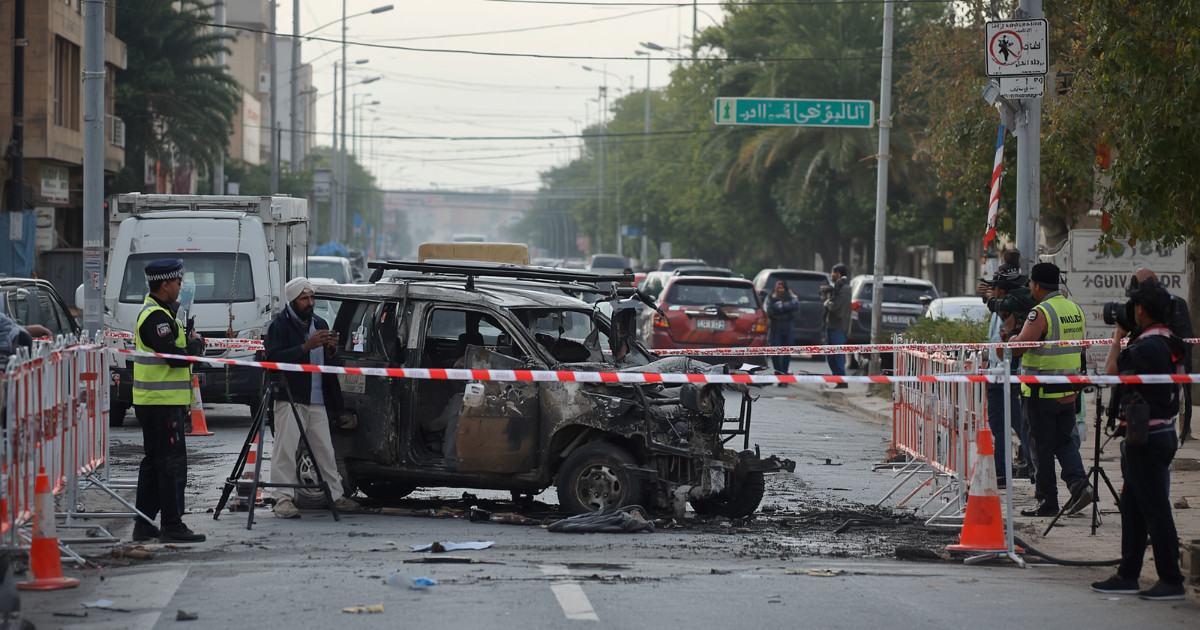
Mohammed Aydah, a correspondent for the two broadcasters, died when an explosive device detonated in his vehicle on June 25. According to Al Arabiya, local authorities had warned him weeks earlier about threats to his life. Yemen’s Presidential Leadership Council subsequently ordered an official investigation into the killing.
Investigation ordered after journalist’s death
The Presidential Leadership Council directed relevant authorities to identify those responsible and determine the circumstances surrounding the bombing. As of publication, no group had claimed responsibility for the attack, and officials had not publicly identified suspects.
Aydah’s death has drawn renewed attention to the security risks faced by journalists working in Yemen, where years of conflict have exposed media workers to violence, intimidation, arbitrary detention, and targeted attacks.
Yemen remains a hazardous environment for journalists
Although front lines in Yemen have shifted and levels of fighting have fluctuated in some areas, journalists continue to face significant dangers while covering political, military, and humanitarian developments. International press freedom organizations have repeatedly documented threats against reporters from multiple parties involved in the conflict.
The killing underscores the persistent vulnerability of media professionals reporting from conflict-affected regions, where journalists often work despite limited security protections and ongoing political instability.
WHY THIS MATTERS: The killing highlights that even in areas where active fighting has eased, journalists remain exposed to targeted violence and intimidation. For news organizations, the incident reinforces the importance of security planning, risk assessments, and protection measures for correspondents working in conflict environments.
ATTRIBUTION: Reporting by JournalismPakistan, based on publicly available reports by Reuters (June 25, 2026) and statements published by Al Arabiya (June 25, 2026).
PHOTO: AI-generated; for illustrative purposes only.
Key Points
- Mohammed Aydah, correspondent for Al Arabiya and Al Hadath, was killed in a car bombing on June 25 in Mukalla.
- Local authorities had reportedly warned Aydah weeks earlier about threats to his life.
- The Presidential Leadership Council ordered an official investigation to identify those responsible.
- No group had claimed responsibility and no suspects were publicly identified at time of reporting.
- The killing highlights persistent threats and violence faced by journalists covering Yemen’s conflict.
Key Questions & Answers
Who was the journalist killed?
Mohammed Aydah, a correspondent working for the Saudi-owned outlets Al Arabiya and Al Hadath, was killed in the car bombing.
When and where did the attack occur?
The explosive device detonated in Aydah’s vehicle in the southern port city of Mukalla on June 25.
Has any group claimed responsibility?
As of publication, no group had claimed responsibility and officials had not publicly identified suspects.
What actions have authorities taken?
The Presidential Leadership Council ordered an official investigation and directed authorities to identify those responsible and determine the circumstances of the bombing.
Ask AI: Understand this story your way
AI Enabled
Dig deeper, ask anything — get instant context, background, and clarity.
Disclaimer: This feature is powered by AI and is intended to help readers explore and understand news stories more easily. While we strive for accuracy, AI-generated responses may occasionally be incomplete or reflect limitations in the underlying model. This feature does not represent the editorial views of JournalismPakistan. For our full, verified reporting, please refer to the original article.