

World Vision Pre-Positions Medical Supplies in Jowhar Ahead of Super El Niño Flooding
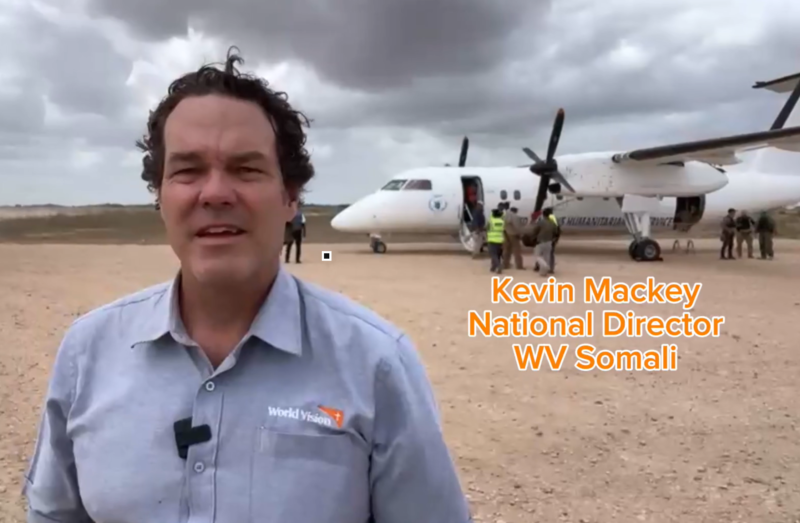
JOWHAR — World Vision Somalia has moved critical medical supplies and equipment to its forward warehouse in Jowhar, central Somalia, with support from the WFP-led Logistics Cluster, in a pre-emptive effort to prepare for the anticipated Super El Niño flooding expected during the October-December Deyr season.
Jowhar has been identified as one of the areas most likely to flood in the coming event. Kevin Mackey, World Vision Somalia National Director, noted that experience has shown that once flooding begins, moving supplies to where they are needed becomes extremely difficult, and by then it is often too late.
Ongoing conflict in Somalia makes moving supplies from forward positions costly, sometimes tens of thousands of dollars per flight. Through the Logistics Cluster, World Vision was able to move these supplies by road instead, significantly reducing costs. Mackey said that as donor resources shrink, partnerships like this matter more than ever, and that when humanitarian actors join forces, they can do more with less.
Pre-Positioning as a Strategic Priority
SoDMA Commissioner Mahamuud Moalim Abdulle has warned that Somalia is among the countries most vulnerable to the destructive cycle of floods, droughts and displacement associated with Super El Niño. The agency has been working to institutionalize disaster preparedness, including a World Bank-backed project to bolster disaster preparedness and tech-driven early warning systems.
The Logistics Cluster has highlighted that while short-term flood risks decreased due to below-normal Gu rainfall, there remains a significant likelihood of riverine and flash flooding later in the year, presenting a critical window for preparedness, including pre-positioning supplies and strengthening coordination mechanisms [citation:2]. Throughout January, 137.7 metric tons of humanitarian cargo were pre-positioned across eight strategic hubs, supporting supply chain continuity and enabling five partner organizations to sustain last-mile delivery operations.
Between August 2025 and February 2026, World Vision Somalia distributed 422.67 metric tonnes of essential nutrition, medical, WASH, and non-food item supplies through Gift-in-Kind contributions from World Vision USA and World Vision Canada, with an estimated total value of USD 450,000. In partnership with the Logistics Cluster, the organization delivered 25.712 metric tonnes of life-saving medical and nutrition supplies to hard-to-reach locations, generating an estimated USD 61,295 in transportation cost savings.
Between July 2025 and August 2026, the Logistics Cluster partnership enabled World Vision to transport 146.48 metric tonnes of cargo, generating approximately USD 175,000 in cost savings, resources that go directly back into supporting communities in need.
The Preparedness Window and Funding Shortfall
Four of the world’s largest child rights organizations have warned that El Niño-induced flooding could displace hundreds of thousands of children in Somalia before the end of the year [citation:3]. They have called on donors and development partners to urgently release anticipatory funding while there is still time to reduce the humanitarian impact and prevent avoidable loss and suffering.
The 2026 Humanitarian Needs and Response Plan sought US$852 million to reach 2.4 million people, but is only 29.7 percent funded as of August 2026, leaving a shortfall of approximately US$599 million. The Emergency Relief Coordinator has pre-approved US$7 million from the Central Emergency Response Fund for flood preparedness, a start against a far larger requirement.
The child rights organizations have urged donors, the Federal Government of Somalia and humanitarian partners to release anticipatory funding now, fund embankment repair along the Juba and Shabelle rivers, stockpile supplies in flood-prone districts, and commit to multi-year, flexible financing.
Critical Note
The pre-positioning of medical supplies in Jowhar reflects a critical shift in humanitarian strategy from reactive response to anticipatory action. The Logistics Cluster’s role in enabling road transport instead of expensive airlifts has demonstrated that cost-effective solutions are possible when agencies coordinate effectively. This approach saves money and, more importantly, saves time, which is the most valuable resource in disaster preparedness.
Yet the funding situation remains precarious. With the 2026 response plan less than one-third funded and needs rising, humanitarian agencies are being forced to prioritize only the most life-saving interventions. The US$7 million in pre-approved anticipatory funding is a welcome step, but it is dwarfed by the scale of the potential disaster. The 2023 floods displaced 1.2 million people, nearly 400,000 of them children. If a similar event occurs this year, the resources currently available will be insufficient to meet the needs.
The window for preparedness is closing. Humanitarian agencies like World Vision and the Logistics Cluster are doing what they can with the resources available, but their efforts must be matched by faster and more generous commitments from donors and the international community. Acting before the water rises protects more children, and costs less, than acting after floodwater arrives. The time to act is now, before the Deyr rains begin in October.
Recommended Reading On ftlsomalia.com
Credit: Source link