

What Bridgette Motsepe-Radebe’s mining empire actually owns
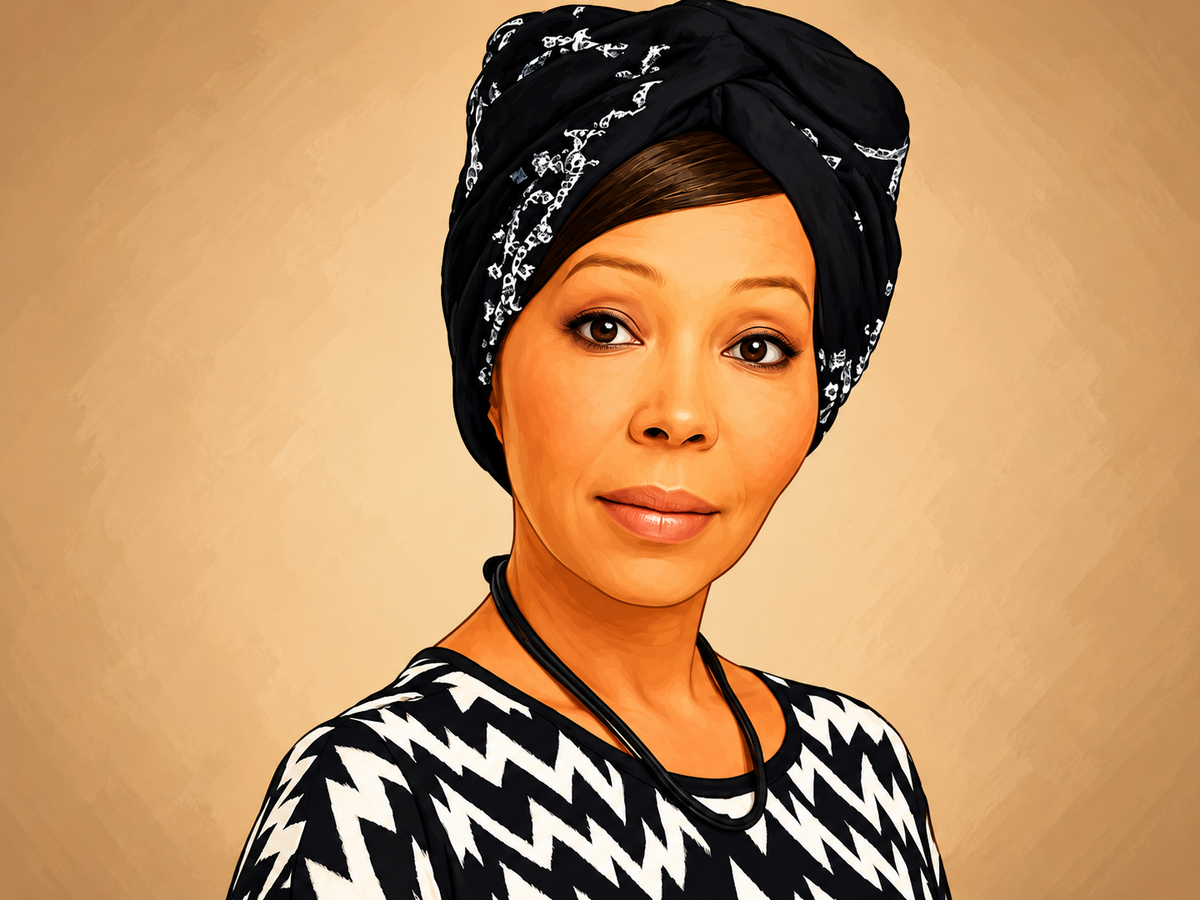
Bridgette Motsepe-Radebe controls one mine. Her company holds 51% of Tumelo colliery in Mpumalanga, an operation she restarted in 2019, alongside minority stakes in a platinum mine, three collieries and a ferrochrome producer that she does not control.
That is what four decades produced for the first black woman to own and run a mining company in South Africa, and for one of the people who helped write the law that made black mine ownership possible.
Mmakau Mining is private and publishes nothing. What it owns can only be assembled from the disclosures of the listed companies it partners with.
Tumelo
Mmakau holds 51% of Tumelo colliery. Exxaro Coal Central holds the other 49%.
Tumelo sits 15km north-west of Hendrina in Mpumalanga and 5km from the Hendrina power station, on a mining right covering 462.9 hectares. It formed part of the Total Coal South Africa complex that Exxaro bought in August 2015.
Mmakau evaluated the remaining reserves and mining method and recommissioned the mine in 2019, cutting first coal that April. Run-of-mine coal is trucked to Forzando, crushed and screened, and sold into the export market at 5,300 kilocalories a kilogram.
Exxaro reports on Tumelo in its Mineral Resources statements even though the mine falls outside its management control, because Mmakau operates it.
The minorities
Mmakau holds 9% of Marula Platinum in Limpopo. Impala Platinum owns 73%, with the remaining 27% split equally between Mmakau, the Marula Community Trust and Tubatse Platinum, a consortium of local businesses.
Implats put Marula up for sale in 2015. Terence Goodlace, then chief executive, called it a solid operation that was not good enough to keep given the platinum prices the company expected. The mine closed temporarily in May 2020 after a cluster of Covid-19 cases nearby.
In coal, Mmakau took 26% of both Brakfontein and Dorstfontein and 13% of Forzando, all within the Total Coal complex. Coal fell from above $100 a tonne in 2013 to around $60 by 2015, and the Total Coal assets booked a 55 million rand loss in the 2013 financial year.
Exxaro’s 4.9 billion rand bid for the complex left her minority without a purpose. Exxaro was already black-owned and did not require an empowerment partner. An analyst told Miningmx she was slowing the transaction while she established where her stake would sit under new ownership.
Mmakau holds 6.5% of Hernic Ferrochrome through a vehicle called Sayora Minerals.
Two investments went nowhere. Mmakau took 75% of the Eureka gold mine in Zimbabwe, which Miningmx reported came to nothing before the mine closed. It also bought 36% of Shaft Sinkers, an international shaft-sinking and underground construction contractor, to add engineering capability. That holding is gone, and the South African BRICS Business Council lists Mmakau as a former owner.
The company describes interests in vanadium and uranium that appear in no partner disclosure.
The law
Motsepe-Radebe’s largest contribution to South African mining is not an asset.
She was closely involved in developing the Mineral and Petroleum Resources Development Act of 2002, which transferred custodianship of the country’s minerals to the state and required mining companies to bring black ownership into their structures.
Almost every black-owned mining stake in South Africa now sits inside that framework, including holdings belonging to people considerably wealthier than she is.
The contract miner
Motsepe-Radebe was born on February 26, 1960, into a family whose businesses operated under apartheid restrictions designed to limit them. In 1976 she joined her community in marching on a mine over royalty payments owed for mineral rights leased to a Canadian company.
She entered mining in the 1980s as a contract miner, running individual shaft operations and handling procurement for the large mining houses. Black South Africans could not hold mining rights at the time and women were barred from most underground work, which left contracting as the only available route. It gave her working knowledge of deep-level hard rock mining across coal, gold, platinum and chrome.
Mmakau moved into owning and developing its own mines in the early 1990s. Rand Merchant Bank backed her as the next major black-owned mining house, following the path her brother Patrice Motsepe took with African Rainbow Minerals, which made him South Africa’s first black billionaire.
Her sister, Tshepo Motsepe, is South Africa’s First Lady. Her husband, Jeff Radebe, served as a minister in every South African cabinet between 1994 and 2019.
She was named Businessperson of the Year in 2008, sits on the South African BRICS Business Council, and has been an independent non-executive director of the paper group Sappi since 2004.
Seven years in a Botswana court
Part of the answer to why Mmakau never reached the scale expected of it is that Motsepe-Radebe spent the past seven years defending herself in another country.
A 2019 affidavit by a former investigator at Botswana’s Directorate on Corruption and Economic Crime alleged she helped move $10 billion out of the country’s central bank through companies called Blue Flies and Fire Flies to finance political destabilisation.
Botswana’s High Court ruled in June 2025 that the allegations were unlawful, false and reckless, and ordered a public apology. An independent investigation by the British firms Omnia Strategy and Alaco found the accounts and transactions described in the affidavit had been fabricated.
Her defence cost 83 million rand, about $5.1 million. Botswana has not paid it. A source close to her said in June this year that the government remains in contempt of the court’s order.
None of what she owns can be priced. Tumelo’s economics sit inside a mine Exxaro reports but does not control. Marula consolidates into Implats. Hernic and Sayora are private. The Zimbabwean gold mine is shut. Mmakau discloses nothing, and Motsepe-Radebe remains its founder, executive chairperson and chief executive.
Crédito: Link de origem