

Was the war with Iran worth it?
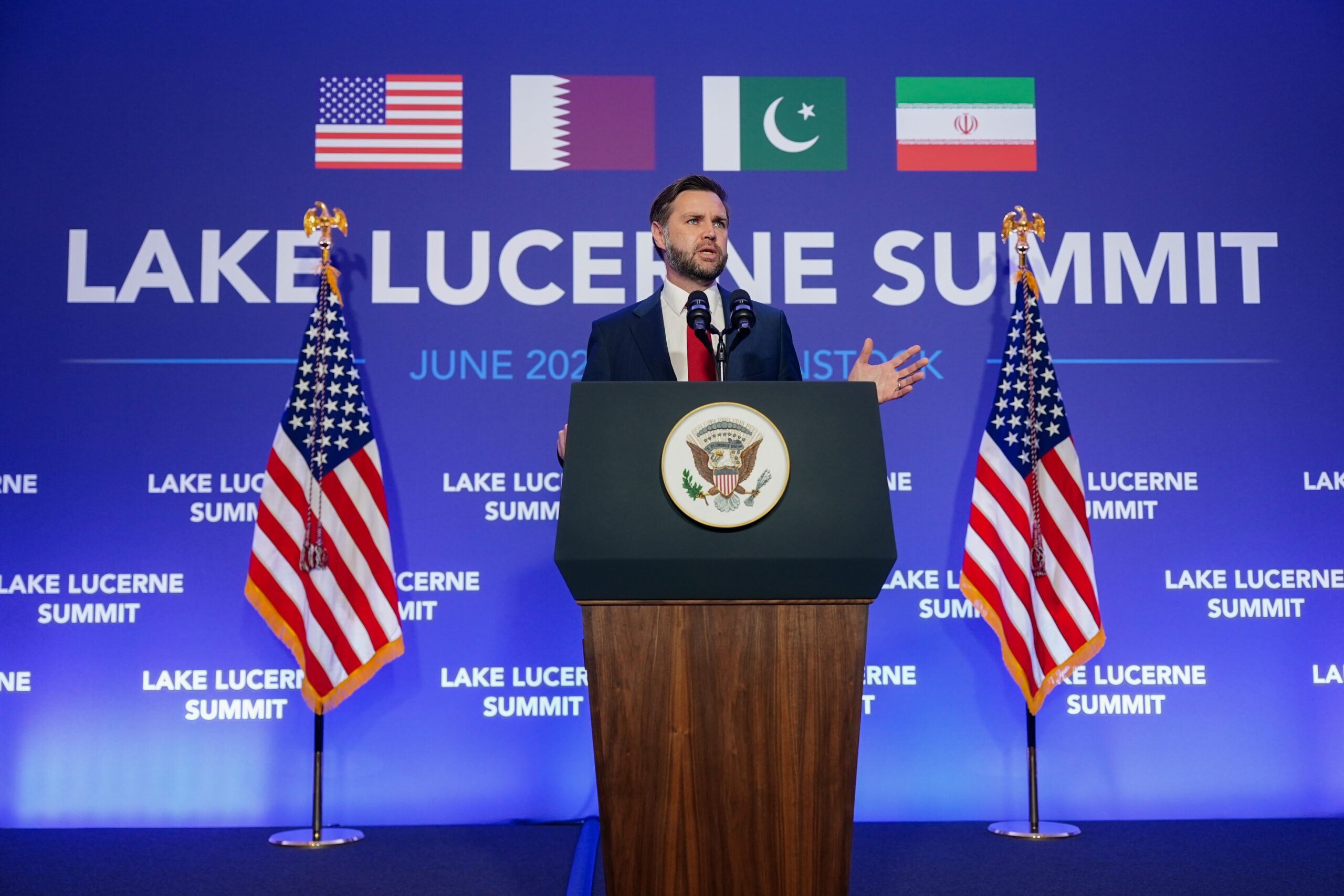
Vice President JD Vance said the first round of negotiations with Iran made good progress. Following last week’s memorandum of understanding (MOU), which set up a 60-day ceasefire, more details of the agreement are being worked out, including how to keep an eye on Iran’s nuclear program.
On Monday, Vance said Tehran had agreed to let nuclear inspectors back into the country. But Iran’s government has pushed back on this, saying there’s been “no new commitments.” Currently in the MOU, Iran would get sanctions relief and the U.S. blockade lifted if it stops pursuing its nuclear ambitions. Getting Iran to fully reopen the Strait of Hormuz is also a central objective of the talks.
Meanwhile, Israel and Hezbollah are trading strikes in Lebanon, putting pressure on the fragile ceasefire. Israel never signed the MOU and has complained that it’s been sidelined. Critics on both sides of the aisle also warn that under this tentative agreement, Iran could walk away stronger than before with sanctions relief, reconstruction funds, and newfound influence over a major global waterway.
So today, where are American interests after more than four months of war with Iran? Is this, as U.S. Sen. Bill Cassidy (R-LA) put it, “the worst foreign policy blunder in decades”? What is each side gaining and losing in this tentative agreement? And how does this Iran deal compare with the one negotiated during the Obama administration in 2015?
Guests:
- Dominic Tierney, professor of political science at Swarthmore College and a senior fellow at the Foreign Policy Research Institute
- Suzanne Maloney, vice president and director of the Foreign Policy program at the Brookings Institution and former advisor to both Republican and Democratic administrations