

Venezuela’s double whammy earthquakes: Critical health services take priority
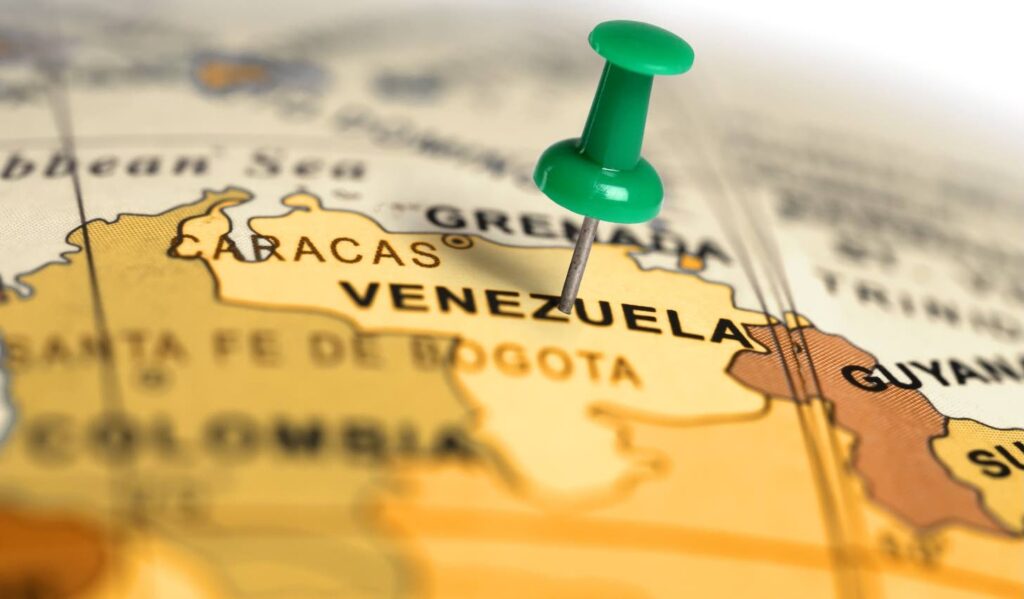
Jamaicans can fully empathise with Venezuelans now dealing with the aftermath of two catastrophic earthquakes that have claimed 4,333 lives, left 16,740 people injured, displaced 17,907 people, and damaged 38 health facilities, at last official count.
This is not to say that the devastation of Jamaica by last October’s Category 5 Hurricane Melissa — even if it’s the planet’s most deadly storm — can be compared with the scale of the damage the back-to-back earthquakes wreaked on the South American nation on June 24, 2026.
Interestingly, in the way that history turns, the earthquakes have given Jamaica an opportunity for redemption for seemingly turning its back on Venezuela because of geopolitical pressures.
It was pleasing to see that Jamaica is reciprocating Venezuela’s assistance after Hurricane Melissa. The Jamaican Government is dispatching humanitarian aid, including pharmaceutical supplies and food items, to Venezuela as part of a broader Caricom emergency relief effort, according to the Foreign Minister Senator Kamina Johnson Smith.
Jamaica’s ties to Venezuela go way back to May 14, 1815 when their liberation hero, Simon Bolivar, arrived in Jamaica, fleeing persecution and seeking support for the Latin American independence movements. During his seven months of exile in Kingston, he authored the historic Jamaica Letter, which articulated his vision for a united Latin America.
Neither should we soon forget the historic San Jose Pact, first established in 1980, and later the broader PetroCaribe Initiative, under which Mexico and Venezuela originally provided 160,000 barrels of oil per day to Jamaica and other Caribbean islands on highly preferential terms.
We also pleased to note that the health response by the regional Pan American Health Organisation (PAHO) has moved into the critical early recovery phase, focusing on restoring essential health services and preventing secondary public health emergencies, the organisation said.
In its latest situation report, PAHO said that, while emergency medical care and rapid assessments helped save lives in the immediate aftermath, the priority is now shifting to rehabilitating damaged facilities and ensuring people continue to receive essential care as recovery begins.
PAHO is co-leading the health cluster operating under the Venezuelan Health Ministry, in tandem with the International Rescue Committee, which has brought together 110 organisations involved in the health response — all together greatly encouraging Venezuelans in their hour of deepest need.
Specialists from PAHO/World Health Organisation’s Regional and Global Response Teams are providing expertise in emergency coordination, epidemiological surveillance, logistics, information management, emergency medical team coordination, health facility assessments, and risk communication.
PAHO is also supporting the 17 international emergency medical teams operating across the affected areas. To date, these teams have treated 8,489 people and performed 148 surgeries. As demand for emergency trauma care declines, the teams are increasingly supporting primary health care, rehabilitation, and community-based services, helping to restore referral pathways and continuity of care.
PAHO has already delivered six metric tons of emergency medical supplies, including trauma and emergency surgery kits, chronic disease medicines and essential medical equipment to hospitals and primary health care services. A further 27.5 metric tons of humanitarian supplies are now being deployed.
Obviously, the recovery is going to be a long and painful journey. We hope that Venezuela can draw on any experience developed by Jamaica from its own Hurricane Melissa recovery programmes.