

UWA launches 10-year recovery plan over declining lion population in Ishasha

Uganda Wildlife Authority (UWA) and the Wildlife Conservation Society (WCS) have launched a 10-year plan to restore the dwindling population of tree-climbing lions in the Ishasha sector of Queen Elizabeth Conservation Area.
The partnership, launched last week, is expected to attract an estimated $14 million in investment, with the first five years focusing on improving the ecological conditions needed for wildlife, particularly lions, to recover.
The scale of the challenge was highlighted by UWA, which said only two female lions currently remain in Ishasha, one of Uganda’s most renowned destinations for tree-climbing lions.
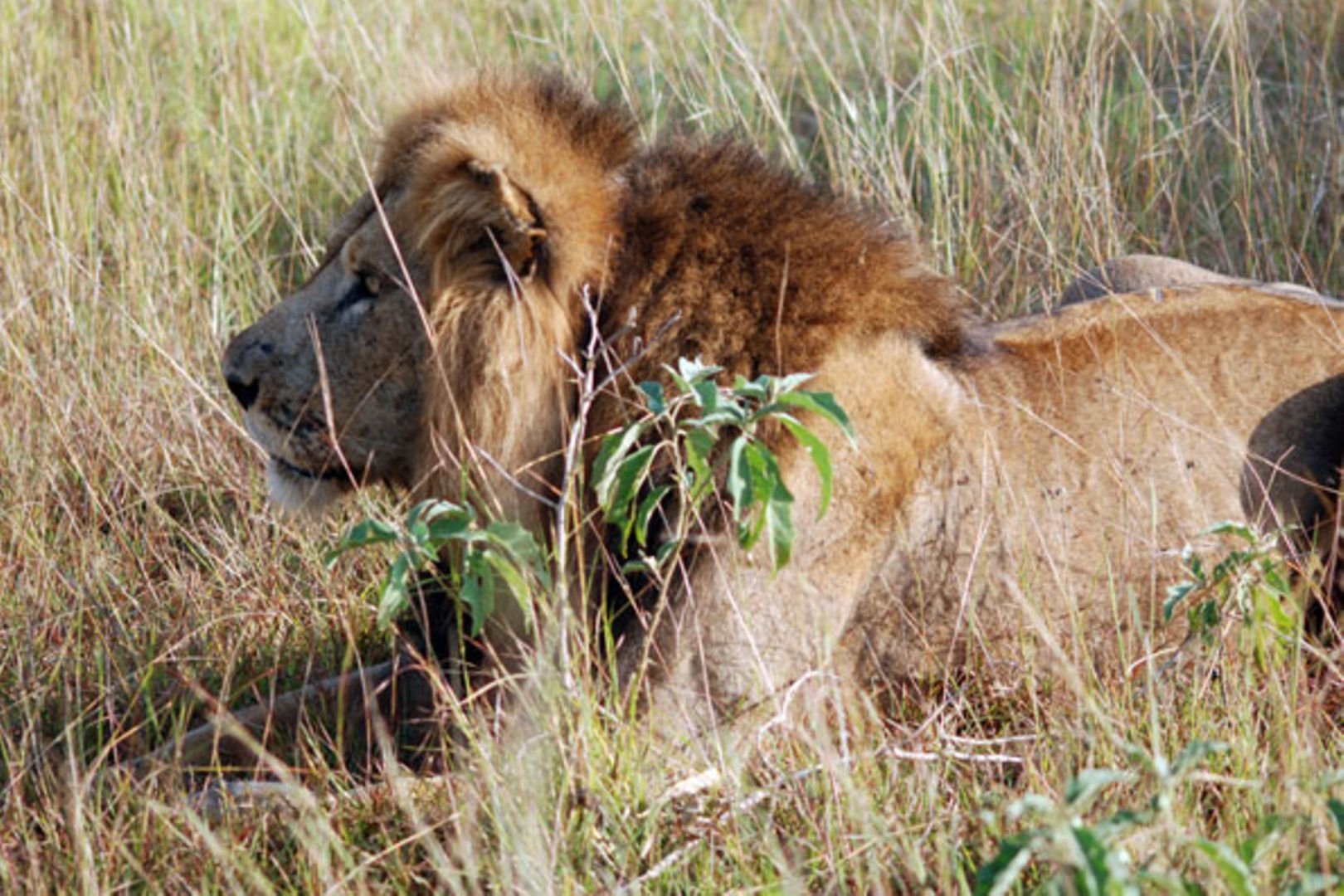
John Makombo, UWA commissioner for biodiversity management, said human-wildlife conflict, movement of lions out of the area and breeding challenges are among the factors behind the decline.
“Ishasha is famous for the climbing lions, and this is a very unique product in terms of biodiversity as well as tourism. We now have two female lions in Ishasha,” Mr Makombo said.
He said some lions have moved further north, while some females have moved away from the main lion population to protect their offspring from incoming males.
“The population that could be in Ishasha is either moving away, being killed or not breeding,” Mr Makombo said.
The decline is also linked to conflict with communities living around the conservation area. Mr Makombo said lions that leave the protected area and attack livestock can face retaliation from residents, including poisoning.
He also cited cultural practices in which parts of dead lions are removed as another threat to the population.
Threats before restocking
Despite the sharp decline, WCS said it will not immediately introduce new lions into Ishasha.
Dr Simon Takozekibi Nampindo, who represented WCS at the launch, said the priority is to first address the threats affecting the remaining population and improve relations with communities.
“We are not going to breed lions. We plan to work as hard as we can to first prevail over the threats, improve community relations, but also for the habitat to improve,” Dr Nampindo said.
He said the availability of prey provides a basis for the recovery of the lion population if the other threats can be addressed.
“The prey are in good numbers, so the food for the lions is already there,” he said.
The partners will therefore focus on wildlife protection, habitat restoration and reducing human-wildlife conflict, while also strengthening tourism and conservation efforts in the wider Ishasha landscape.
If these interventions succeed, the partners could consider introducing wild female lions to supplement the existing population and improve breeding.
Dr Nampindo said the animals would not be captive-bred but could potentially come from other areas where wild lions already exist, including Murchison Falls National Park.
“We shall only bring in the supplementation if the management of what is on the ground makes it relevant and good,” he said.
The recovery could also benefit from the movement of lions across the Uganda-DR Congo border.
Lions from Virunga National Park in DR Congo already move within the shared ecosystem, creating opportunities for natural dispersal and breeding.
Although the immediate focus is on lions, the 10-year partnership will cover the wider ecosystem, including elephants, buffaloes and topi.
The programme will combine habitat restoration with anti-poaching measures, wildlife protection, tourism development and interventions to reduce conflict between communities and wildlife.
UWA and WCS also inaugurated a six-member collaborative management committee comprising three representatives from each organisation to oversee implementation of the partnership.
The committee will monitor the status of the lion population, coordinate conservation interventions and track progress in areas including habitat restoration, wildlife protection, tourism and human-wildlife conflict.
The partnership marks a deeper role for WCS in conservation work in Ishasha. Dr Nampindo said the organisation has supported conservation in Uganda since 1957 through financial and technical assistance, research and provision of equipment to UWA.
Under the new arrangement, WCS will provide financial resources, support UWA staff capacity and use scientific research to guide conservation interventions.
Credit: Source link