

UN Director: 75 Years On, the Sudan Crisis Tests Our Promise to Refugees
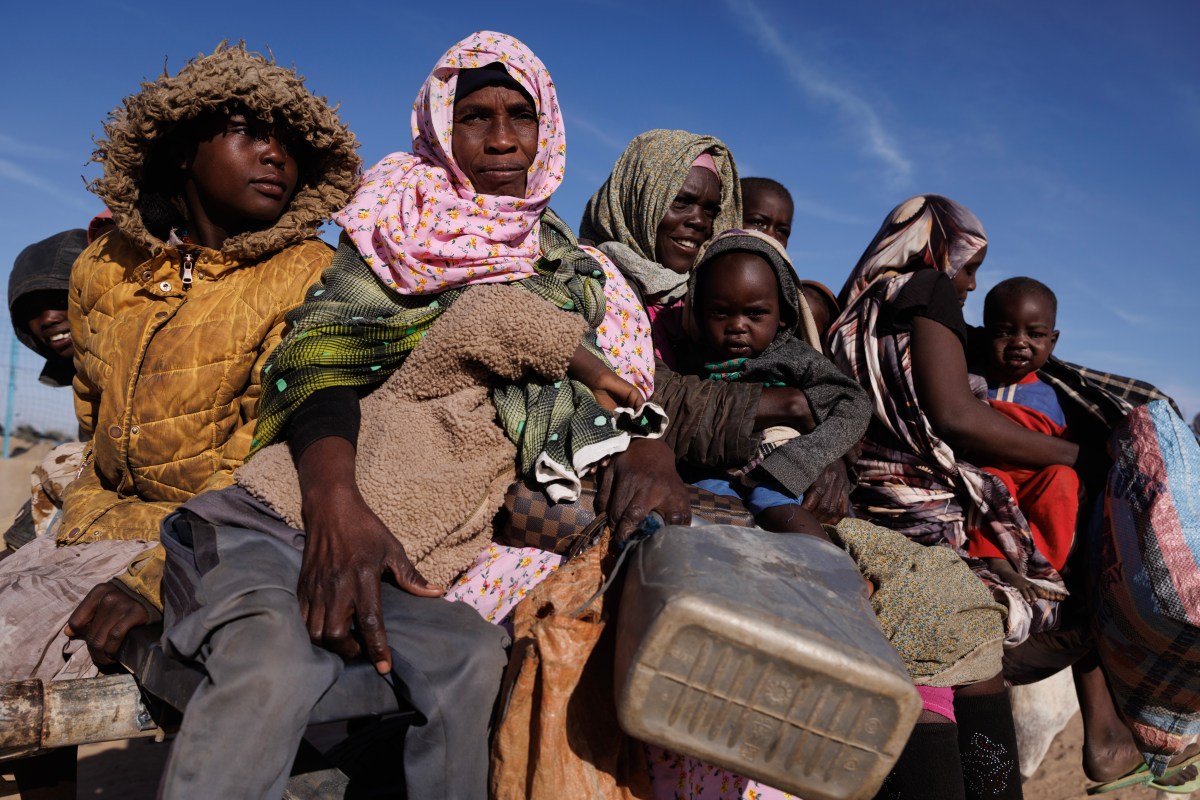
More than three years into Sudan‘s devastating war, millions have been forced to flee their homes, many crossing international borders after surviving persecution, intense fighting, drone attacks, and repeated displacement.
Many may not know the details of the 1951 Refugee Convention, established 75 years ago, but its principles have helped keep them safe. At its heart is a simple promise: people fleeing persecution and violence have the right to seek asylum when they reach a border, and must not be turned back into danger.
Today, more than 4 million people have fled across borders to escape the brutal war raging in Sudan. I have spoken with countless families in the past three years, in border areas, refugee sites and cities, who recounted days of travel through blistering heat, insecurity, checkpoints while facing horrific violence, assault and abuse on their journey to safety.
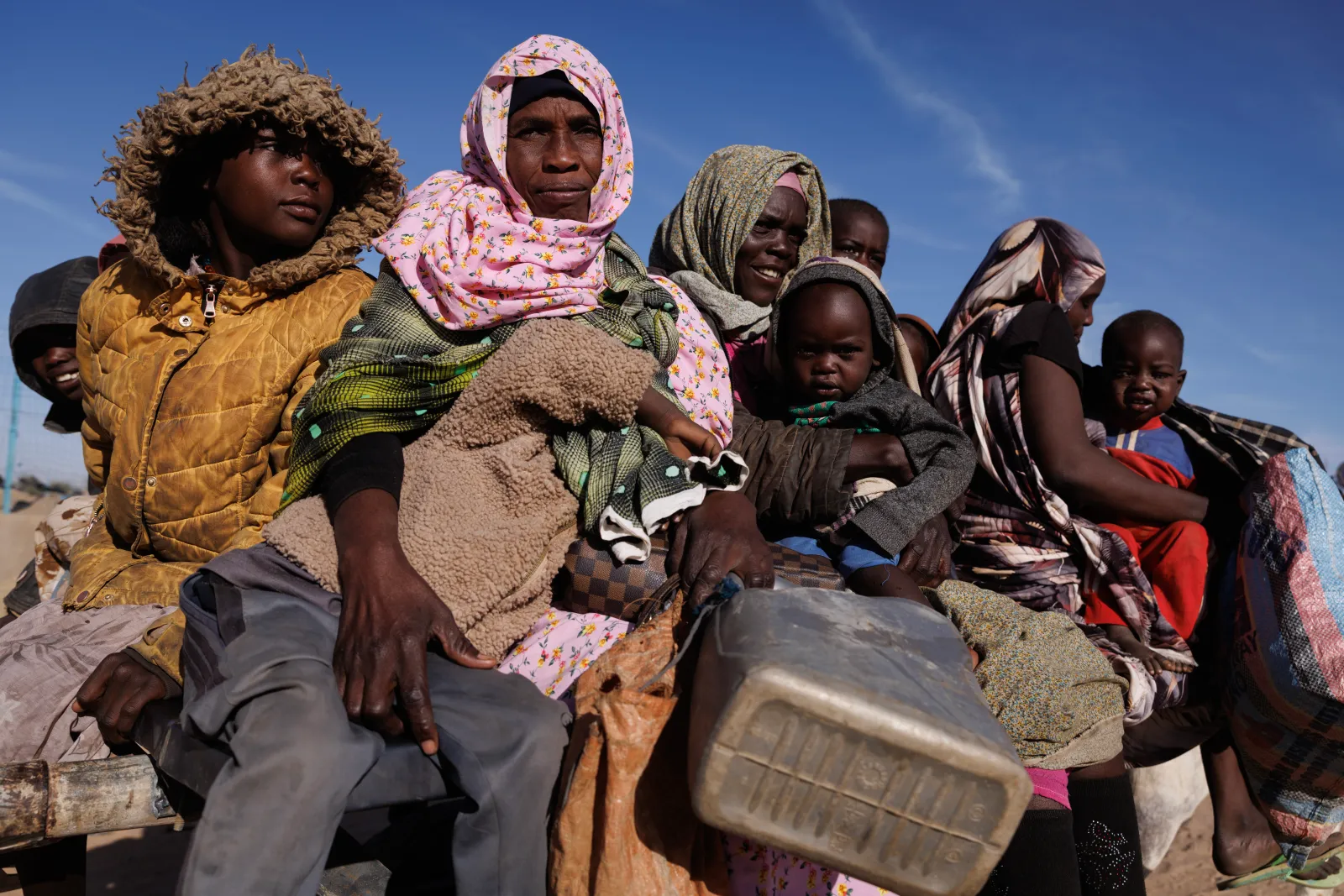
For these Sudanese families, who risked everything to cross a border in search of safety, the convention is more than words written 75 years ago. It is a practical lifeline. It allows them to seek international protection and gives them assurance that they will not be sent back to the danger they fled.
But international protection doesn’t end at that first moment of safety. It provides refugees with legal status and documentation, helping people to access life-saving aid and protection services. Over time, it gives refugees a fair chance to rebuild their lives through education, health care and economic opportunities.
These protections are especially important in Sudan right now, where displacement continues to grow, and violence is intensifying. In recent weeks, attention has turned to El-Obeid as fighting escalates across Kordofan, raising fears of another emergency within an already devastating crisis.
Across the region, countries and communities continue to show solidarity and receive people fleeing Sudan—many while facing their own economic hardship, insecurity, climate shocks, and strained public services. Chad hosts 1.3 million Sudanese, including hundreds of thousands who fled the Darfur crises of over 23 years ago, with local communities sharing scarce water, land, schools and health services. In South Sudan, authorities and communities are receiving both Sudanese refugees and South Sudanese returnees, often through remote border areas with minimal infrastructure.
Neighboring countries cannot carry this responsibility alone. The 1951 Refugee Convention is not only a commitment for countries closest to a crisis; it is also the foundation of a broader system of solidarity and international responsibility-sharing. Yet funding shortages are forcing humanitarian organizations to cut life-saving aid and critical protection services, particularly for women and children. For a refugee family, that can mean another rainy season without adequate shelter, no medicine for a sick child, or a child pulled from school.
The convention cannot end the war in Sudan; it cannot replace diplomacy, political action or respect for the protection of civilians. Humanitarian agencies can help people survive and thrive, but only lasting peace will allow them to return home and truly rebuild their lives.
Seventy-five years after its adoption, the convention’s promise is still being tested every day. The international community must do more than defend refugee protection in principle. It must invest in it, support the countries carrying the greatest responsibility, and ensure that people fleeing conflicts can continue to find safety when and where they need it most.
On 28 July, marking the 75th anniversary of the 1951 Refugee Convention, UNHCR launched “The Promise”—a renewed commitment to defend the right to seek asylum and uphold protection for people forced to flee.
You can read the Promise below and see the list of signatories here.
Mamadou Dian Balde is UNHCR Regional Director for Eastern and Southern Africa and Regional Refugee Coordinator for the Sudan Situation. The views expressed in this article are the writer’s own.
Our Promise
From the ashes of the Second World War came a solemn promise: a promise to protect people forced to flee war, violence, and persecution. Today, with forced displacement at record levels, we must renew that promise.
This is one of the defining challenges of our time. But it is also a test of our shared humanity. We can and must respond.
Behind the numbers are real people whose lives have been uprooted. Yet their talents, experiences, and ambitions remain. Being a refugee should be only a chapter in a person’s life, not their whole life story.
Most refugees stay as close to their home countries as they can, often in communities already facing immense pressure. That is where we must act first. Not with aid alone, but with opportunity. Not only helping people survive but enabling them to rebuild their lives and forge better futures.
We affirm our commitment to a world where:
• Safety is a certainty: Everyone has the right to seek safety from war, violence, and persecution.
• Refugees are included: Refugees belong in our communities, schools, and workplaces, where they can find opportunities and contribute to the societies that host them.
• Solutions are swift: Whether it’s integration, a fresh start in a new country, or a safe return home, we seek to resolve displacement right from the start.
• We act together: From governments to local communities, global institutions to town halls, boardrooms to faith groups, businesses to civil society, we all play our part in making a difference.
We stand by the promise of the Refugee Convention. We choose action, compassion and solidarity.
Until everyone is safe.
Who Has Signed the Promise
- Alfonso Herrera
- Ameen Jubran
- Anderson Antonio Pedroso
- Angelina Jolie
- Antonio Rüdiger
- Atom Araullo
- Azizbek Ashurov
- Barbara Hendricks
- Barham Salih
- Bekir Altas
- Ben Stiller
- Cate Blanchett
- Cynthia Erivo
- Dauda Sesay
- David Morrissey
- Denis Mukwege
- Efi Latsoudi
- Elena Anaya
- Ellen Johnson Sirleaf
- Evan Atar Adaha
- Felix Sesay
- Francis Kuria
- Graça Machel
- Grace Dorong
- Gugu Mbatha-Raw
- Hafsar Tameesuddin
- Hamdi Ulukaya
- Haris Doukas
- Helen Clark
- Helena Christensen
- Hellenic Rescue Team
- Hina Jilani
- Jeny Bonsenge
- Jerry Pillay
- Jesús Vázquez
- Jin Dawod
- JJ Bola
- John Denton
- Joseph Tlhagale
- Juan Manuel Santos
- Kat Graham
- Ke Huy Quan
- Khaled Hosseini
- Khalida Popal
- Kosho Niwano
- Kristin Davis
- Kristy Coventry
- Leanne Manas
- Mahira Khan
- Malala Yousafzai
- Marina Satti
- Mark Edington
- Mary Maker
- Mary Robinson
- Mayerlín Vergara Pérez
- MIYAVI
- Mo Ibrahim
- Mohadese Mirzaee
- Monicah Malith
- Muzna Dureid
- Nadia Murad
- Nomzamo Mbatha
- Noor Azizah
- Nyakuma Gatkuoth
- Omar Farooq
- Payzee Mahmod
- Phumzile Mlambo-Ngcuka
- Raya Abi Rached
- Riz Ahmed
- Roald Hoffmann
- Sarah Mullally
- Sayed Razawi
- Sister Rosita
- Taban Shoresh
- Tadashi Yanai
- Theo James
- Wenyen Gabriel
- Yang Yang
- Yann Martel
- Yasmina ElAbd
- Yiech Pur Biel
- Yusra Mardini
- Zakia Khudadadi
- Zannah Mustapha