

Uganda and DR Congo Cement Security and Trade Ties With Six Sweeping Agreements
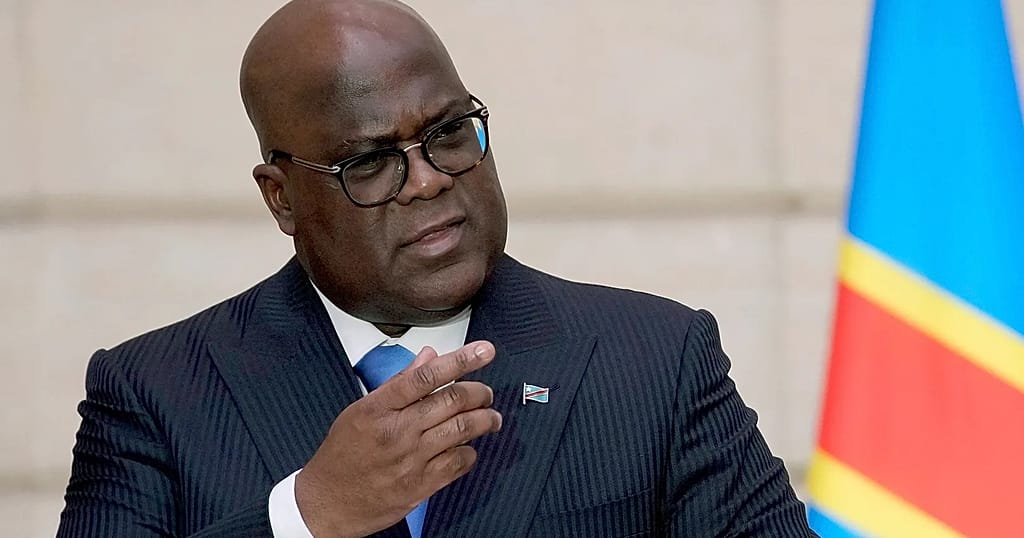
In a decisive and highly strategic maneuver designed to stabilize the volatile Great Lakes Region, the governments of Uganda and the Democratic Republic of Congo (DRC) have formally ratified six comprehensive bilateral agreements. The diplomatic breakthrough, finalized in the Ugandan capital of Kampala, explicitly intertwines the economic destinies and military frameworks of the two neighboring nations, signaling a unified front against both regional poverty and entrenched insurgencies.
This sweeping alignment matters profoundly because the borderlands between Uganda and the DRC have historically served as the epicenter of Africa’s most devastating, intractable conflicts. The arrival of Congolese President Félix Tshisekedi in Kampala for the 9th session of the Joint Standing Committee—strategically timed ahead of Ugandan President Yoweri Museveni’s highly anticipated swearing-in ceremony—demonstrates a robust political will to transcend decades of mutual suspicion. At stake is the security of millions of civilians and the unlocking of a billion-dollar cross-border economic corridor that has been throttled by militia violence and bureaucratic hostility.
The Economic Integration Blueprint
The cornerstone of the newly minted agreements is a radical expansion of cross-border trade and infrastructure connectivity. Despite the persistent insecurity in the eastern provinces, the Democratic Republic of Congo remains Uganda’s most lucrative regional trading partner and a critical destination for its manufactured exports. The memoranda of understanding signed in Kampala are designed to dismantle non-tariff barriers, streamline customs protocols, and facilitate the unhindered movement of capital and goods across the frontier.
Data provided by Irene Batebe, Permanent Secretary at the Ministry of Energy and Mineral Development, highlights the sheer magnitude of this economic relationship. The numbers reveal an economic interdependence that neither nation can afford to jeopardize, driving the urgency of the bilateral negotiations.
- Uganda’s formal exports to the DRC were conservatively valued at over $800 million during the 2025/2026 fiscal cycle.
- Total bilateral trade between Kampala and Kinshasa currently amounts to an estimated $1 billion annually.
- The agreements include joint commitments to construct and pave hundreds of kilometers of road networks linking Ugandan border towns directly to commercial hubs in North Kivu and Ituri.
- Energy synchronization is a key component, with Uganda agreeing to expand electricity transmission lines to power deficit regions in the eastern DRC.
- The tourism sector is targeted for joint marketing initiatives, specifically focusing on the shared Virunga massif and its critically endangered mountain gorilla populations.
The Crucible of Operation Shujaa
While the economic blueprints are ambitious, their execution is entirely contingent upon establishing security in a region historically ungovernable. The bilateral agreements firmly commit both nations to the continuation and expansion of Operation Shujaa. Launched initially in late 2021, this joint military offensive represents an unprecedented deployment of the Uganda Peoples’ Defence Forces (UPDF) deep into Congolese territory, operating in tandem with the Armed Forces of the Democratic Republic of the Congo (FARDC).
The primary target of Operation Shujaa remains the Allied Democratic Forces (ADF), a brutally effective rebel syndicate originally formed in Uganda that has since pledged allegiance to the Islamic State (IS). Operating from dense jungle redoubts in North Kivu and Ituri, the ADF has massacred thousands of Congolese civilians and launched devastating suicide attacks within Kampala. Military analysts note that the renewed agreements authorize deeper intelligence sharing, coordinated aerial bombardments, and joint mechanized patrols to dismantle the ADF’s logistical supply chains.
The Geopolitical Ramifications
The tightening embrace between Museveni and Tshisekedi profoundly alters the geopolitical balance of the Great Lakes Region. For Kinshasa, integrating its security apparatus with Kampala provides a necessary counterweight against other regional actors, particularly amid the escalating crisis involving the M23 rebellion further south. Tshisekedi’s administration, facing intense domestic pressure over the persistent bloodletting in the east, views the Ugandan military partnership as a critical element of its survival strategy.
For President Museveni, securing the western border is an absolute economic and existential imperative. As he prepares to take the oath of office for another term, projecting stability is crucial for attracting foreign direct investment in Uganda’s burgeoning oil sector. The joint road construction projects within the DRC are not merely acts of goodwill; they are strategic infrastructure designed to facilitate the rapid deployment of Ugandan security forces and ensure the safe extraction and transportation of commercial goods.
The six agreements signed in Kampala represent far more than standard diplomatic protocol; they constitute a mutual defense and economic survival pact. Whether this alliance can permanently pacify the dense, blood-soaked forests of the eastern DRC will determine the future prosperity of the entire Great Lakes Region.
Credit: Source link