

U.S. Ally Claims ‘Big Win’ Over China
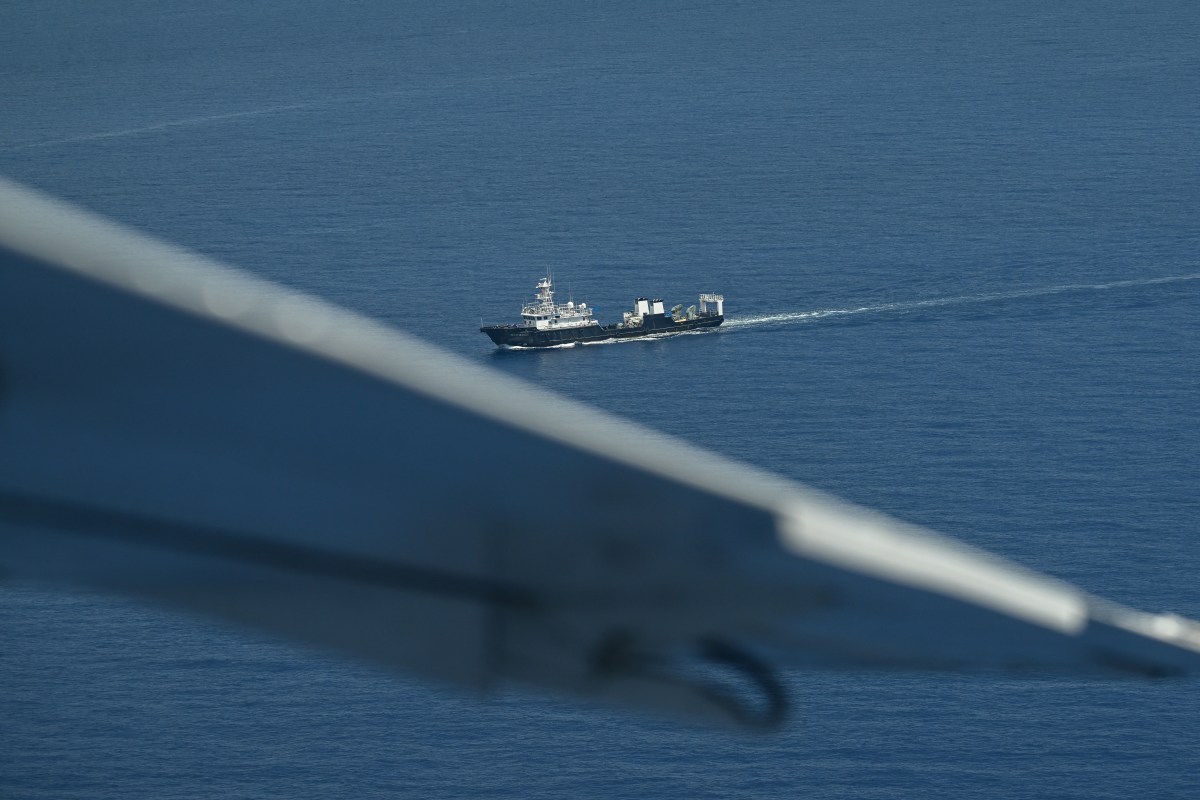
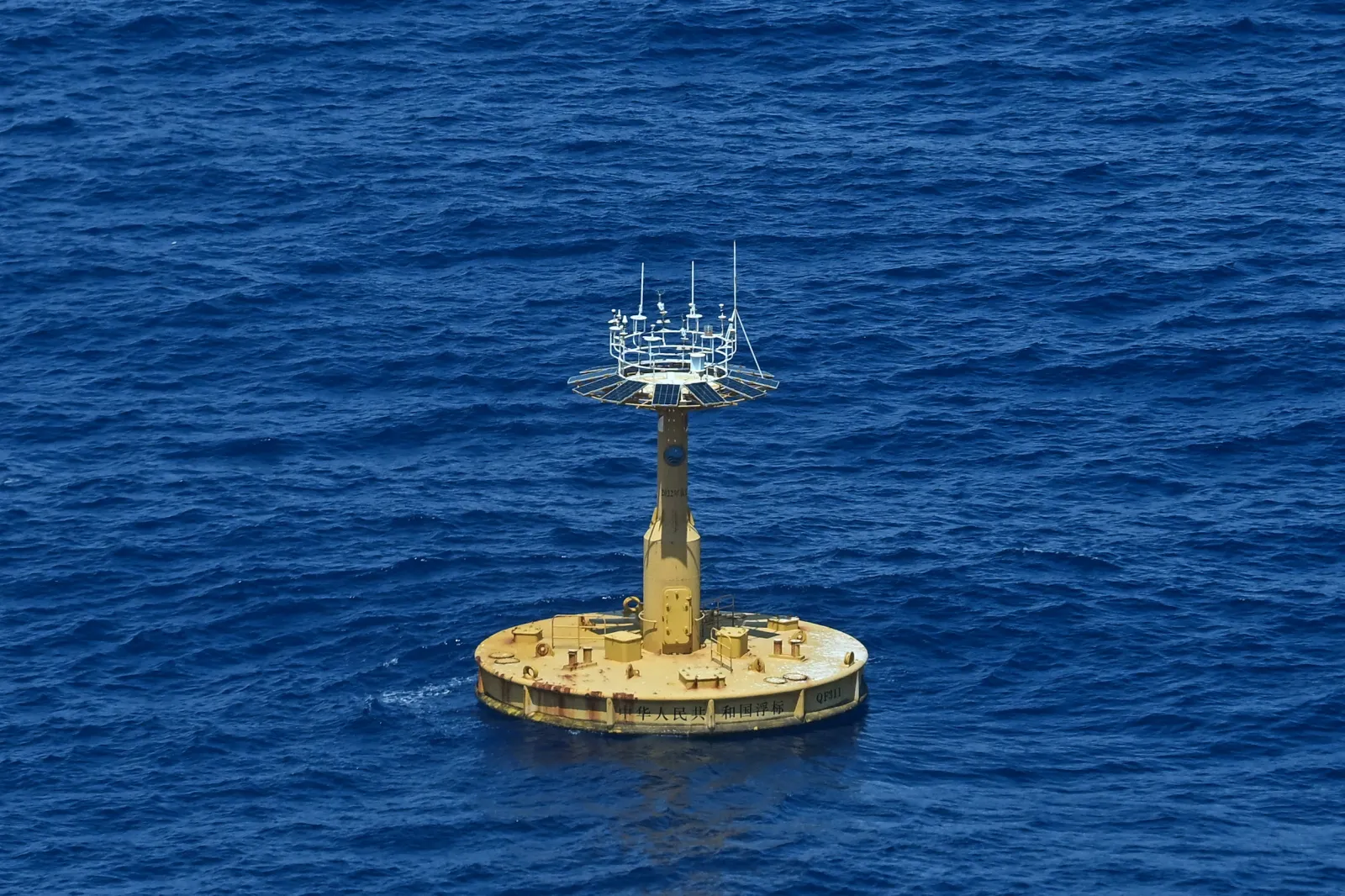
U.S. treaty ally the Philippines achieved an important diplomatic success in getting China to remove a floating structure from a reef it accuses Beijing of trying to take over in the South China Sea, a Philippines naval spokesperson said.
But Rear Admiral Roy Vincent Trinidad told Newsweek in Manila that Chinese harassment of vessels continues and the Philippines had no doubt that China would keep up efforts to establish permanent structures at the flashpoint known as Scarborough Shoal alongside what he alleged was a broader plan to infiltrate and undermine a country that has swung definitively into the U.S. camp under President Ferdinand Marcos Jr.
China says the waters are its own as part of its sweeping claims in the South China Sea, which has become the stage for a creeping confrontation between the United States and China that has put the Philippines archipelago and its population of 113 million people on the front line of the global struggle for dominance.
Newsweek sought comment from China’s embassy in Manila.
Trinidad said the Chinese floating structure was removed last week from Scarborough Shoal, which is around 140 miles from the Philippines’ largest island and well within its 200-mile Exclusive Economic Zone. It is around 540 miles from mainland China, but Beijing says that it has a historical right to most of the strategic South China Sea waterway.
China has built permanent structures at numerous contested islands and the Philippines feared the floating structure at Scarborough Shoal was a prelude to that.
“It’s dismantled. It is not there. They removed it. We consider it as a big win for us through diplomatic pressure,” said Trinidad, the navy’s spokesman for what is known locally as the West Philippines Sea. “But it’s not the end of the day yet, because there are other features still there…the Chinese are known to put one step backward, put it back two steps forward.”
When asked about any U.S. role in the incident given the defense treaty, Trinidad said: “The mutual defense treaty is there. The U.S. has full support, and it is ironclad.” The U.S. State Department did not respond to a request for comment on the incident.
China Said it Was Doing Maritime Research
After removing the structure, China’s embassy said that it had been used for scientific research, which was now completed. China effectively took control of Scarborough Shoal, which it calls Huangyan Island, in 2012 after a standoff with Philippine forces. Known locally as Bajo de Masinloc, it is in a rich fishing ground and the atoll was a place by the crews of fishing boats to shelter from storms.
If the presence of the floating platform had been for research then China should share the results, Trinidad said.
“China will firmly safeguard its territorial sovereignty and maritime rights and interests in the South China Sea, while remaining committed to resolving the relevant disputes and managing the maritime situation through negotiation and consultation,” Deputy Spokesperson of the Chinese Embassy, Guo Wei, said in a statement on Monday. “China urges the Philippine side to stop hyping up the issue and ceasing provocations, and to continue managing the relevant differences through diplomatic dialogue.”
Confrontations in the area have continued, with the Philippine navy saying a patrol late last week had been countered by four Chinese warships as it completed its mission. Trinidad said the navy planned to continue patrolling, but did not seek confrontation.
“We don’t want our fisherfolks, we don’t want the government, we don’t want the Filipino people to accept the new reality as a new reality that we should not go there,” Trinidad said.
International Court Ruled Against China
The fate of Scarborough Shoal was at the heart of a ruling by the Permanent Court of Arbitration in The Hague nearly a decade ago under the United Nations Convention on the Law of the Sea (UNCLOS) that largely favored the Philippines and invalidated China’s maritime claims. Beijing has rejected the decision over the waterway, which is important for trade as well as holding potentially significant energy resources.
From a strategic perspective, the Philippines forms part of a First Island Chain, along with Japan and Taiwan, that the United States sees as key to containing China in the Pacific. As tensions with China have grown, the Philippines has also strengthened its ties to Japan and Taiwan—believing that it would not be unscathed if China ever assaults self-ruling Taiwan, which Beijing sees as part of its territory.
Despite the questions over U.S. alliances in Europe and the Middle East raised by the wars in Ukraine and Iran, Trinidad voiced confidence in the strength of the U.S. support for Asian countries because of the differing economic and security priorities.
“The dynamics in the Middle East is different from the dynamics in Europe, different from the dynamics in the Asia Pacific region,” he said.
Philippine Military Has Close U.S. Ties
With close ties to U.S. counterparts, the armed forces of the Philippines have traditionally been strongly pro-American. Under President Marcos, elected in 2022, there has been a 180 degree turn from his more pro-China predecessor Rodrigo Duterte, Trinidad said. That was here to stay, he added, with a presidential election coming in 2028.
“Whoever wins by 2028 will have a difficult time changing the policy and going for China,” he said.
U.S.-made and funded drones arrived in the Philippines this week ahead of a much bigger package of military aid under a “drone-focused asymmetric capabilities program,” according to U.S. Naval Institute News.
Trinidad accused China of seeking to infiltrate the Philippines to favor its interests, with everything from “deceptive” messaging to Chinese citizens moving to the country in the guise of being students or retirees.
“There’s a subtle effort to infiltrate, which is now coming to the fore, because it used to be hidden from public view in the previous administration,” he said. “The United Front Work Department of the Chinese Communist Party is very active: infiltrating government, infiltrating society and destroying us from within.”
Contact Newsweek editor on this story: Tony Phillips