

China is ‘a critical long-term strategic challenge’, EU ministers say
Published on
EU foreign ministers delivered a bleak assessment of Beijing’s geostrategic role, saying that China holds “asymmetric advantages” over the EU through its economic and technological dominance, making it a “critical long-term strategic challenge” for the bloc.
ADVERTISEMENT

ADVERTISEMENT
Tensions have escalated between the EU and China in recent months, with the bloc setting an October deadline to rebalance trade ties with Beijing through dialogue as Chinese overcapacity threatens entire sectors of the European economy.
But every recent move by Brussels to protect its market has prompted threats of retaliation from China, which holds significant leverage over the EU through its control of rare earth supplies vital to the bloc’s defence industry and green technologies.
“China’s asymmetric advantages with the EU, from trade imbalances to critical raw materials to technological advances in some areas, along with its willingness to use this as leverage against the EU and others in pursuit of its ambition of becoming the world’s leading power makes China a critical long-term strategic challenge,” they added.
The ministers also described Beijing as a “key enabler” of Russia’s full-scale invasion of Ukraine, saying that China and Russia seek to “establish regional dominance and reshape the global order in line with their interests, fostering a return to a sphere-of-influence logic.”
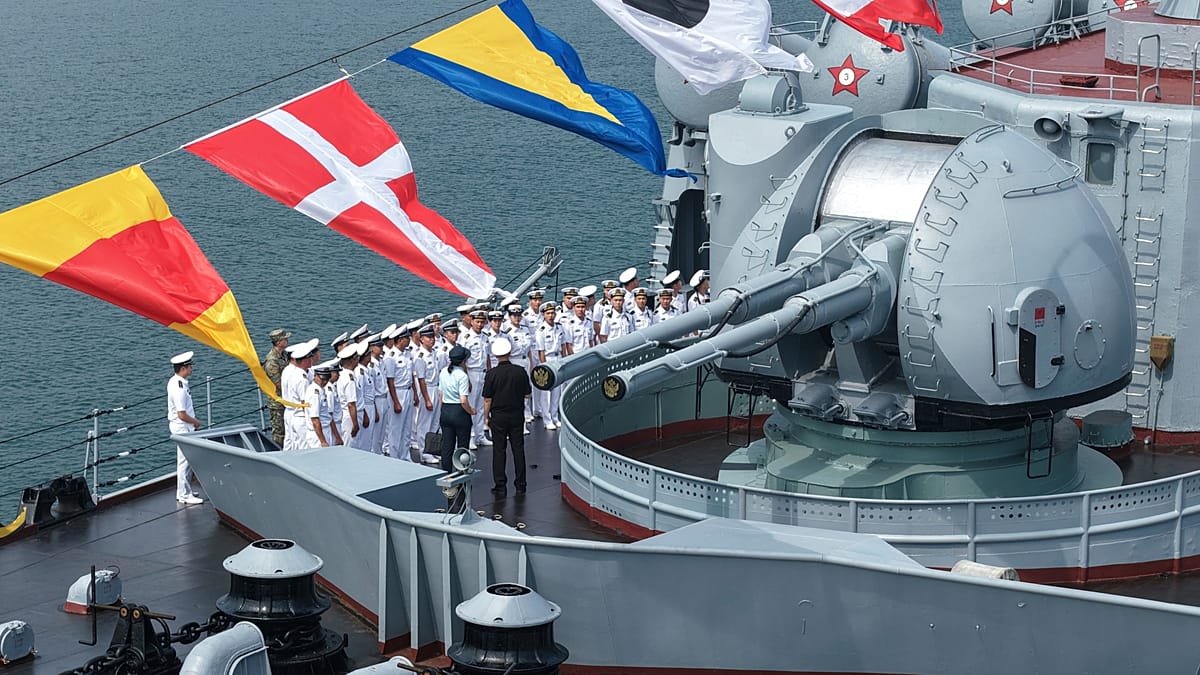
China and Russia deepen their “strategic partnership”
The document added that Beijing’s growing “ambitions and assertiveness”, combined with its “strategic” competition with the US, “will increasingly impact the EU’s security, competitiveness, and economic security and resilience.”
The warning come after the EU became collateral damage in the US-China trade war last year, when Beijing restricted global exports of rare earths, over which it holds a monopoly, jeopardising key industrial value chains across Europe.
In addition, despite Beijing’s denial of any role in the war in Ukraine, several Chinese firms were targeted by EU sanctions under the bloc’s 21st sanctions package announced in April.
The document also points to both Beijing and Moscow’s long-term investments in military capabilities, aspirations for technological superiority, and use of economic leverage to advance their strategic ambitions.
It added that “the deepening China-Russia strategic partnership” will further strengthen “the interconnection of strategic theatres from Europe to the Indo-Pacific”, linking and amplifying security threats facing the EU.