

Turkey begins repatriating 184 Turkish ISIL detainees held in Iraq
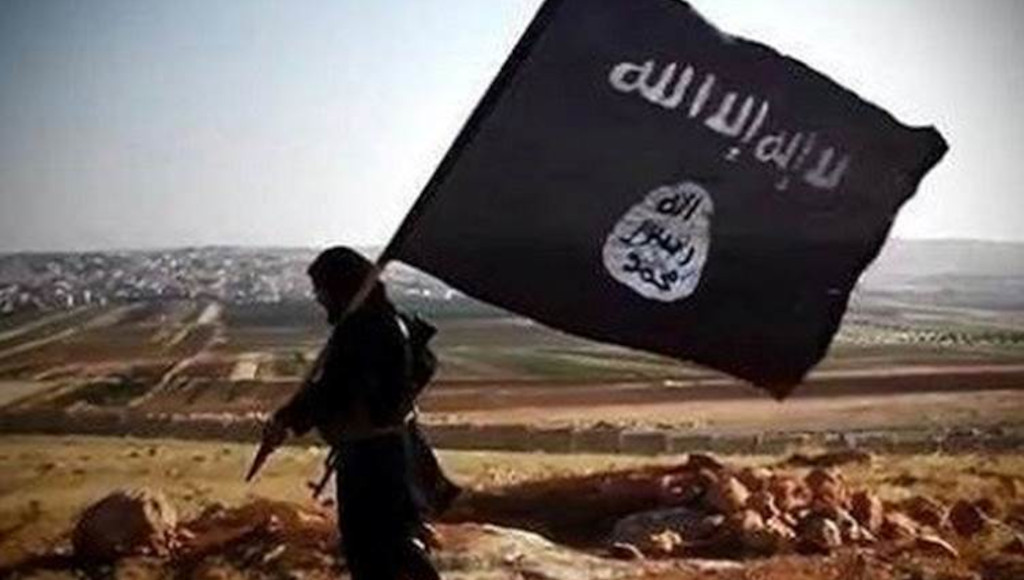
Turkey has begun repatriating 184 Turkish citizens detained in Iraq over alleged links to the Islamic State in Iraq and the Levant (ISIL), with the first group arriving in Ankara from Baghdad, T24 reported on Friday.
The first group was brought from Karkh Central Prison near Baghdad International Airport, but neither the group’s size nor the names of those returned have been disclosed.
Among the 184 Turkish nationals is Savaş Yıldız, a fugitive defendant in a trial concerning the twin suicide bombing outside Ankara’s main train station on October 10, 2015, which killed 104 people and injured hundreds.
Yıldız is also accused of bombing offices of the pro-Kurdish Peoples’ Democratic Party (HDP) in the southern cities of Adana and Mersin in May 2015, weeks before a general election.
The Iraqi record lists him as the 80th entry and gives biographical details matching Turkish records, but it is not known whether he was among the first returnees.
Other names on the list include İlyas Aydın, accused of leading ISIL operations in İstanbul; Mahmut Gazi Tatar, whose name surfaced in an investigation of an Adıyaman network connected to the bombers in the 2015 Suruç and Ankara attacks; and Burak Hazar, once sought through an INTERPOL Red Notice in another ISIL case.
US Central Command (CENTCOM) transferred more than 5,700 adult male detainees from prisons run by the Kurdish-led Syrian Democratic Forces (SDF) in northeastern Syria to Iraq from January 21 to February 12.
The operation followed a Syrian government advance that raised fears of prison breakouts and an ISIL resurgence, years after the group lost the territory it had seized in Iraq and Syria.
Iraq’s Supreme Judicial Council said September 1 that it had finished questioning 5,704 detainees from 67 countries and would send each case to a court based on the evidence gathered.
Baghdad said in February that Turkey had agreed to take back its citizens and urged other countries to repatriate their nationals for prosecution at home.
Iraq allows the death penalty in terrorism cases, and Human Rights Watch has warned that the detainees risk enforced disappearance, torture and unfair trials there while urging their home countries to repatriate and prosecute them when evidence supports charges.