

Travel Papua New Guinea: UK-Sized Marine Reserve Opens in 2026
A Historic Marine Sanctuary Launches in the South Pacific
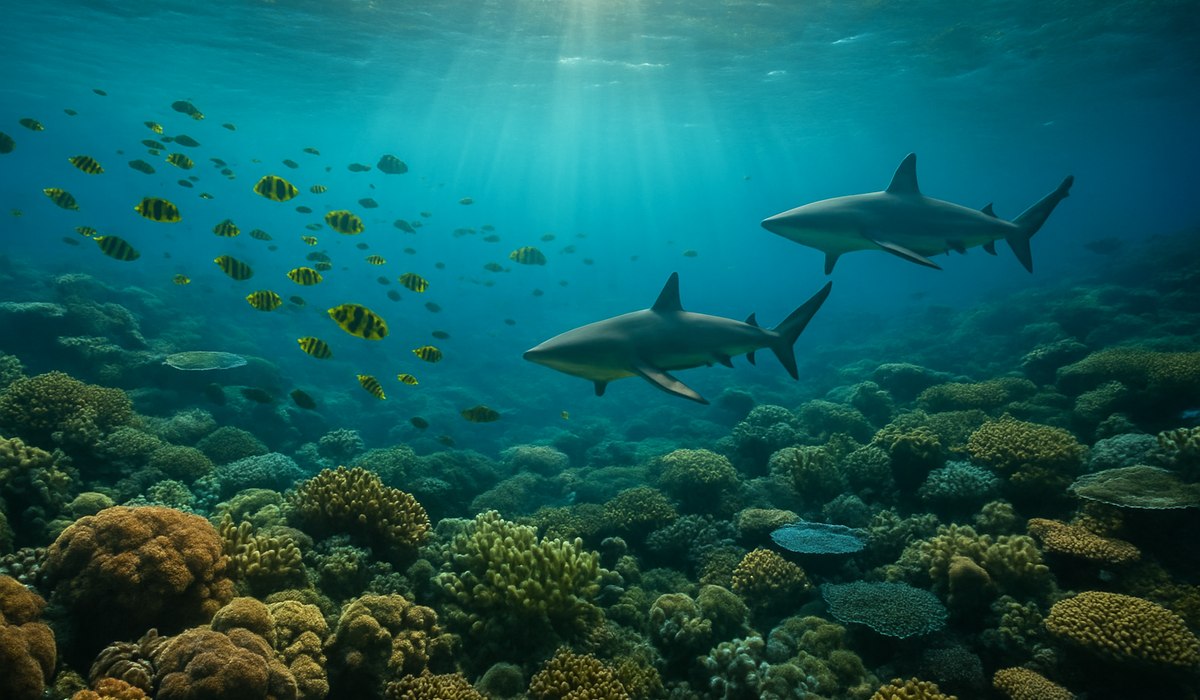
Papua New Guinea has officially established the Western Manus Marine Protected Area, a groundbreaking 200,000 square-kilometer ocean conservation zone spanning the Coral Triangle. This no-take marine sanctuary represents one of the world’s largest protected ocean zones and signals PNG’s commitment to preserving marine biodiversity while supporting sustainable fishing practices. The reserve safeguards critical habitats for sharks, whales, and globally significant coral reef ecosystems that form the backbone of regional biodiversity and local livelihoods.
Western Manus Marine Protected Area: A Game-Changer for Ocean Conservation
The Western Manus Marine Protected Area marks a pivotal moment for travel Papua New Guinea and global ocean stewardship. Spanning an area comparable in size to the United Kingdom, this conservation initiative protects one of Earth’s most biodiverse marine zones. The reserve designation restricts commercial extractive activities while allowing sustainable fishing methods that support Indigenous communities and local economies.
The protected area encompasses critical migratory corridors for pelagic species, nursery grounds for commercially important fish stocks, and pristine coral ecosystems. By implementing strict no-take zones, Papua New Guinea aims to restore fish populations and strengthen ecosystem resilience against climate change impacts. International marine conservation organizations have praised the designation as essential infrastructure for meeting global biodiversity targets and supporting long-term fisheries sustainability.
Why the Coral Triangle Matters for Global Biodiversity
The Coral Triangle, stretching across Southeast Asia and the western Pacific, harbors unparalleled marine richness. This region contains over 75 percent of the world’s coral species, 3,000 varieties of reef fish, and crucial breeding grounds for endangered marine mammals. Papua New Guinea occupies a central position within this biodiversity hotspot, making travel Papua New Guinea increasingly significant for conservation-minded explorers and researchers.
The Western Manus Marine Protected Area sits at the intersection of major ocean current systems, creating productivity zones that support massive whale migrations and shark populations. The reserve’s establishment ensures that these ecological processes continue functioning effectively, protecting not only individual species but entire ecosystem networks. Tourism operators focusing on marine wildlife observation can now offer visitors authentic experiences while contributing financially to conservation success.
How This Reserve Supports Sustainable Fishing and Local Communities
Conservation and community wellbeing align within the Western Manus framework. The marine protected area includes zones designed for sustainable fishing practices that respect traditional harvesting methods used by coastal PNG communities for generations. Revenue-sharing models and conservation incentive programs ensure that local populations benefit directly from ocean protection initiatives.
Sustainable tourism enterprises operating within designated zones create employment opportunities for guides, hospitality workers, and boat operators. Eco-lodge development near the marine protected area encourages visitors to experience PNG’s marine wonders responsibly. Snorkeling, diving, and wildlife observation tours generate income while incentivizing communities to maintain strict conservation standards. Educational programs train local youth in marine biology and ecotourism management, building long-term capacity for sustainable development in coastal regions.
PNG’s Role in Meeting Global 30×30 Conservation Goals
Papua New Guinea advances the international 30×30 commitment, which targets protecting 30 percent of Earth’s land and ocean surfaces by 2030. The Western Manus designation significantly accelerates PNG’s progress toward this ambitious goal, positioning the nation as a global conservation leader. This status enhances Papua New Guinea’s diplomatic standing and attracts international conservation funding and research partnerships.
Meeting conservation targets through the marine protected area demonstrates PNG’s environmental stewardship and commitment to intergenerational ocean health. Global funding mechanisms, including Blue Finance initiatives and conservation trusts, increasingly prioritize nations demonstrating measurable protection commitments. Travel Papua New Guinea benefits indirectly as conservation success attracts researchers, documentary filmmakers, and environmentally conscious travelers seeking authentic marine experiences.
Best Time to Visit Papua New Guinea’s Marine Regions
Papua New Guinea’s tropical climate demands strategic travel planning. The dry season, spanning May through October, offers optimal conditions for marine activities. Waters are calmer, visibility improves for diving and snorkeling, and weather patterns remain predictable. Peak whale migration occurs between June and August, making these months ideal for marine wildlife observation.
The wet season, November through April, brings increased rainfall and rougher ocean conditions. However, marine biodiversity intensifies during this period, with nutrient-rich waters attracting concentrated shark and fish populations. Serious divers and researchers often prefer wet season timing despite logistical challenges. December and January typically see higher rainfall, potentially limiting visibility and accessibility to remote marine sites.
How to Get There
International travelers reach Papua New Guinea through Nadi International Airport in Fiji, followed by connecting flights to Port Moresby’s Jackson International Airport, the nation’s primary aviation hub. Major airlines including Air Niugini and regional carriers operate these routes. From Port Moresby, domestic flights connect to coastal towns providing marine protected area access.
Manus Province, where the Western Manus Marine Protected Area is located, is accessible via flights from Port Moresby to Lorengau. Alternatively, adventurous travelers can arrange boat charters departing from coastal bases. Travel times vary from four to twelve hours depending on vessel type and sea conditions. Travelers should consult the Papua New Guinea Tourism Board for current transportation schedules and visa requirements. Check TripAdvisor for accommodation options and certified tour operators specializing in marine experiences.
| Factor | Details |
|---|---|
| Protected Area Size | 200,000 square kilometers (UK-equivalent) |
| Primary Location | Manus Province, Papua New Guinea |
| Key Species Protected | Sharks, whales, reef fish, sea turtles, dolphins |
| Coral Species | Over 350 coral varieties |
| Establishment Year | 2026 |
| Conservation Status | No-take marine sanctuary |
| Best Diving Months | June through September |
| Average Water Temperature | 28-30°C year-round |
What This Means for Travelers
The Western Manus Marine Protected Area transforms Papua New Guinea into a premier marine tourism destination. Travelers should consider these actionable insights:
-
Book certified operators early: Licensed tour companies operating within sustainable guidelines offer authentic marine experiences while funding conservation. These operators provide expert knowledge about ecosystem dynamics and species behavior.
-
Plan dry season visits: May through October provides optimal conditions for diving, snorkeling, and wildlife observation. Book accommodations and boat charters three to six months in advance during peak season.
-
Expect premium pricing: Conservation-focused tourism commands higher costs reflecting genuine environmental stewardship. Verify that operators contribute meaningfully to marine protection initiatives rather than claiming unsubstantiated conservation credentials.
-
Prepare for remote conditions: Coastal PNG infrastructure remains developing. Bring comprehensive travel insurance, reliable communications equipment, and backup plans for weather-related disruptions.
-
Engage respectfully with communities: Indigenous coastal populations hold generations of maritime knowledge. Supporting community-based tourism enterprises ensures benefits flow directly to custodians of these marine territories.
FAQ
What marine species can travelers expect to observe in the Western Manus Marine Protected Area?
The reserve protects sharks, whales, dolphins, sea turtles, groupers, and thousands of reef fish species. Pelagic sharks migrate through the area seasonally, while resident populations of reef sharks inhabit coral zones year-round. Humpback whales visit during austral winter months, creating spectacular observation opportunities.
Are tourists allowed to visit the Western Manus Marine Protected Area?
Yes, sustainable tourism is permitted within designated zones. Visitors must use certified operators who follow strict environmental protocols. No independent access is permitted. Only licensed guide
Credit: Source link