

The other World Cup | Lowy Institute
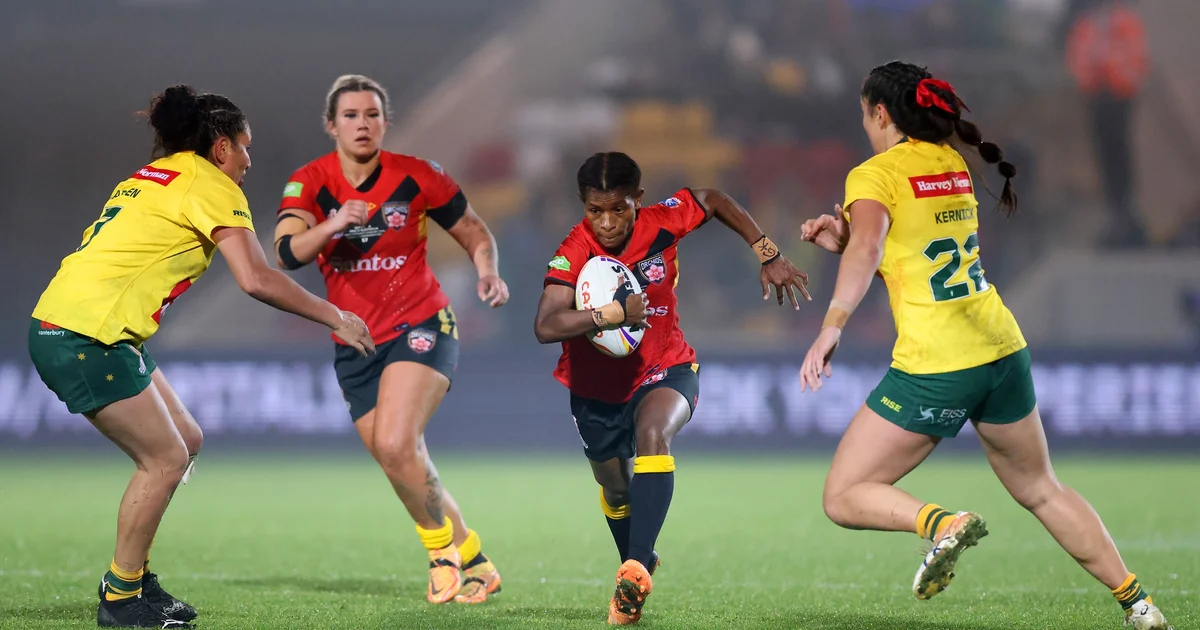
The research record says this work is worth doing, provided it is done without illusions. An umbrella review of violence prevention interventions (Opens in new window) found sport-based programs produced the strongest effects of any approach. Yet reviews of sport-for-development (Opens in new window) consistently locate the gains at the individual level, in confidence, skills and income, and can point to no documented case of a sport program shifting gender equality at the structural level. Even the field’s most rigorous trial (Opens in new window), a football-based program in Peru, cut partner violence against adolescent girls by 75% even as inequitable gender attitudes rose, a reminder that progress is rarely linear. The most recent Pacific evidence, from Fiji (Opens in new window), shows sport operating as a gendered livelihood pathway, with women’s participation squeezed by domestic responsibilities and community norms. And sport is not automatically a safe place for women: studies report that 26% to 74% of women in sport (Opens in new window) experience gender-based interpersonal violence. Pathways without safeguarding can harm the people they are built to serve.
That is where the imbalance bites. Within the $600 million package, $250 million is earmarked (Opens in new window) for development and community programs across Papua New Guinea, Fiji, Samoa and Tonga. Yet Team Up, the flagship program doing the daily work of participation and inclusion across the region, runs on roughly $6 million a year (Opens in new window). A 2025 audit (Opens in new window) by the Gendered Violence Research Network at the University of New South Wales mapped 31 violence prevention programs delivered through Australian sport and found persistent gaps for First Nations, culturally diverse and remote communities, alongside a reliance on volunteers asked to carry safeguarding without training. The soft power literature (Opens in new window) adds its own warning: the feel-good effects of a tournament are real but perishable, and they convert into influence only when they are institutionalised.
So institutionalise them. Before the first whistle in October, Canberra should announce a single measure: ring-fence 5% of every major elite sport diplomacy investment for women’s community competition and independent safeguarding, co-designed and delivered through Pacific bodies, not administered from Australia. On the PNG package alone that is $30 million, five times Team Up’s annual budget and a rounding error against the franchise spend. The machinery already exists: the Sports Diplomacy Strategy 2032+ (Opens in new window) commits Australia to partnership of exactly this kind, and the Sports Diplomacy Consultative Group is the obvious table at which to design it. What is missing is ring-fenced money and Pacific hands on the wheel. The World Cup gives the announcement a stage and a deadline.
The Santos Cup grand final will be decided at Port Moresby’s National Football Stadium on 13 September. Five weeks later, the women’s World Cup arrives at the same ground. That is what a pathway looks like when it works: a girl can watch the Dabaris in September and the Orchids in October and see a future in both.
Papua New Guineans will be watching a team, not a strategy, and that is exactly as it should be. But the result that matters most to Canberra will not be on the scoreboard. It will be whether, five years from now, a young woman in Lae or Suva still has a competition to join, a contract worth signing and a game that is safe to play.
Credit: Source link