

The Gambia Delegation Benchmarks Uganda’s Public Investment Blueprint
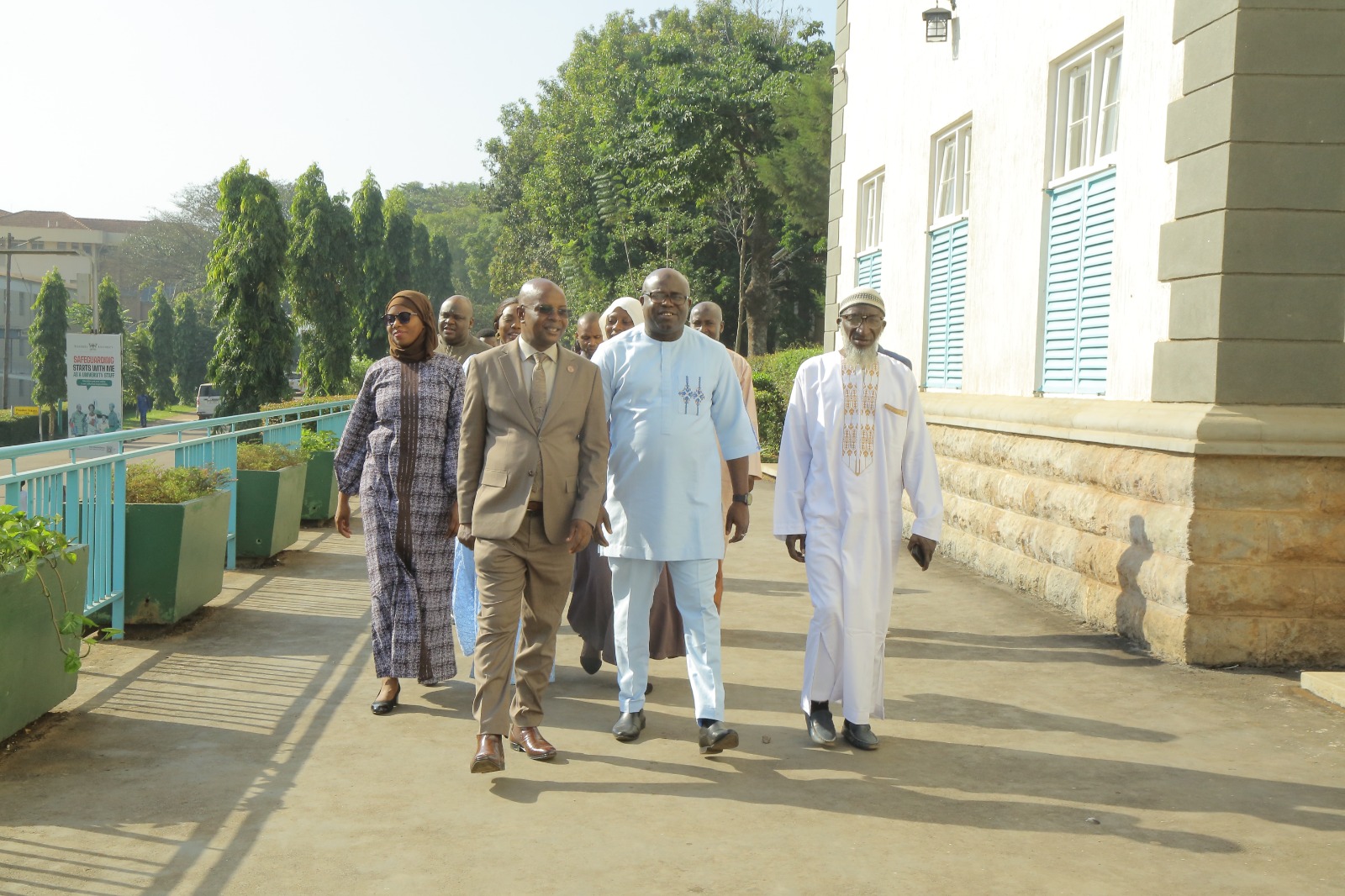
KAMPALA — The Gambia has turned to Uganda for lessons on managing public investments, building local expertise and linking universities to innovation as the West African country undertakes reforms to improve the use of public resources.
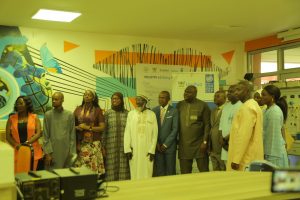
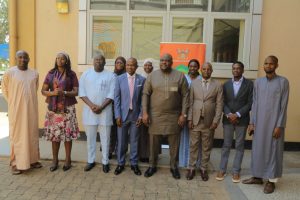
A delegation from The Gambia’s Ministry of Finance and Economic Affairs, led by Permanent Secretary Jobe Baboucarr, is in Uganda for a benchmarking visit focused on public investment management and related areas of economic development.
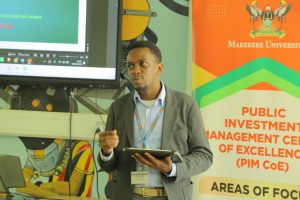
The delegation visited Makerere University’s Public Investment Management Centre of Excellence (PIM CoE), where officials were taken through Uganda’s systems for project conceptualisation, appraisal, implementation, monitoring and evaluation.
Baboucarr said The Gambia sought advice from the International Monetary Fund on countries it could visit to learn from their public investment systems before selecting Uganda.
“The Gambia has been embarking on a lot of reforms in various aspects of governance and public-sector management. One of the areas we have been working on is public investment management,” he said. “I am happy to say that we are glad we chose Uganda for this assignment.”
Baboucarr said the delegation had been impressed by Uganda’s structured approach to public investments and the collaboration between government institutions and Makerere University.
“What has impressed us in Uganda is how the process is handled step by step,” he said. “We have seen how public investment projects are taken from conceptualisation through implementation and monitoring.”
The delegation also observed collaboration involving the Ministry of Finance, Office of the Prime Minister, Office of the President, universities and other development stakeholders.
“It is something that we would definitely like to replicate in The Gambia,” Baboucarr said.
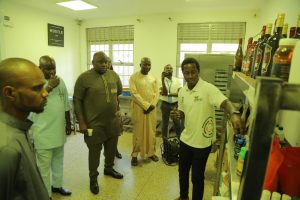
The Gambian officials also toured Makerere’s innovation facilities, where they were introduced to work involving artificial intelligence, blockchain, renewable energy, electric mobility, manufacturing and creative industries.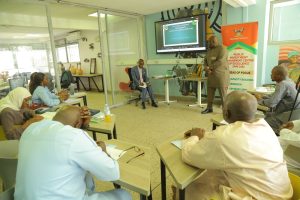
Baboucarr said the experience had reinforced the need for African countries to learn from each other. “We have to move away from always looking outside Africa. There are so many things that our African brothers and sisters are currently doing,” he said.
“It is important that we learn from each other because our environments are similar. We are also confronted with similar challenges.” “There is no point in going outside Africa to learn things that we can learn from our own people,” he added, calling for stronger South-South cooperation.
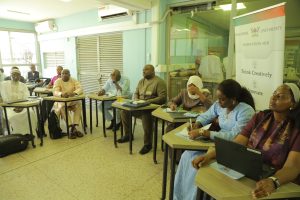
At Makerere, Professor Edward Bbaale, Director and Principal Investigator of the PIM Centre of Excellence, said effective public investment was essential to economic transformation because government spending on infrastructure and public services must generate value.
“Public investment is very critical for transforming the economy,” Bbaale said, citing roads, hospitals, schools and the refurbishment of government projects.
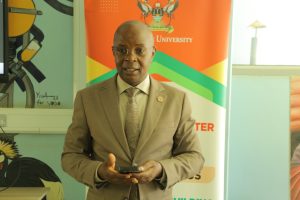
He said Uganda’s public investment management cycle was designed to ensure that government does not simply spend money, but invests it in projects capable of generating sufficient returns.
“This is not basically to make it difficult for government to spend money on these projects, but to make sure that the way government spends money generates returns that are higher than the initial investment,” Bbaale said.
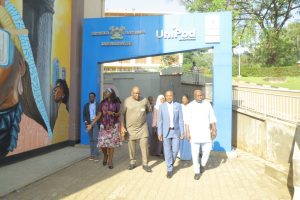
He said Makerere’s Centre was established after reforms identified capacity gaps in public investment management, with the university becoming a strategic partner of the Ministry of Finance.
“One of the key recommendations was the need to build capacity in public investment management on a sustainable basis,” he said.
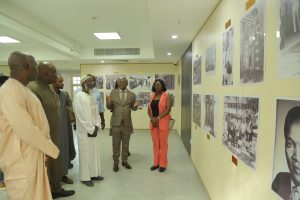
The Centre provides short executive programmes and long-term academic training, including a master’s programme focused on public investment management.
Bbaale said Makerere was ready to extend its expertise to other African countries. “We have told them that, as a Centre of Excellence, we are in a position to do this same work for the continent of Africa,” he said.
Prof Eriya Hisahi, Deputy Head of the Centre, said Uganda’s public investment system had increasingly attracted interest from other African countries.
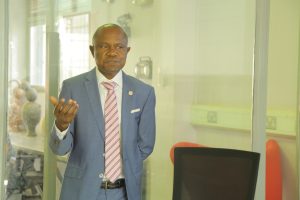
“The team is here in Uganda, specifically to learn from what we are doing as a country, especially in the area of identifying and managing public investment projects,” Hisahi said.
He said Uganda had developed “a very elaborate system” for selecting public investments, describing it as “one of the most advanced systems on the continent of Africa.”
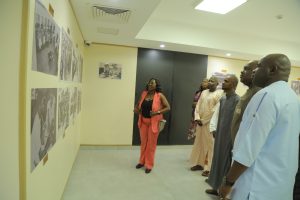
Hisahi said the Gambian delegation had been taken through the Centre’s capacity-building, research and advisory work. “Just this year alone, this is the third delegation we are hosting,” he said.
The Ministry of Finance Senior Economist Gibson Arinda said the Centre had helped strengthen the ability of government officials to assess projects before public funds are committed.
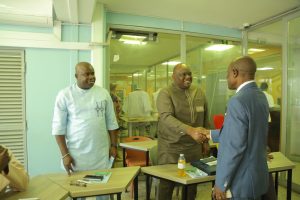
“The Centre provides important expertise in areas such as financial analysis and economic analysis, without which we would not be able to adequately assess and support public investment projects,” Arinda said.
He said feasibility and appraisal studies help the government determine which projects offer the greatest value. “They also help us select the most viable project option—the one that will deliver the best returns and benefits to the country,” he said.
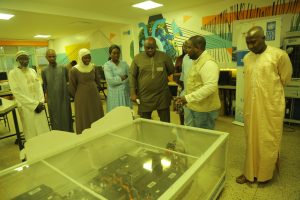
The delegation also toured Makerere University Innovation Pod (UniPod), where Manager Michael Lubwama demonstrated facilities supporting student innovation and product development.
He said the facility supports projects ranging from electric-vehicle battery systems and renewable energy to rapid prototyping and manufacturing.
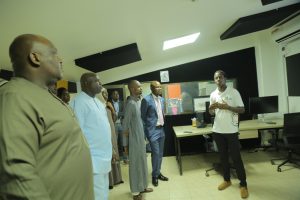
At the university’s creative production facilities, Kulaba Aggrey, a UniPod client liaison officer, explained how innovators use studios and editing equipment to develop professional content.
The visit has therefore placed Uganda not merely as a case study in public investment management, but as a potential partner for The Gambia in training, research, innovation and technology.
Credit: Source link