

The first deportation flight from the U.S. arrived in Haiti following the termination of
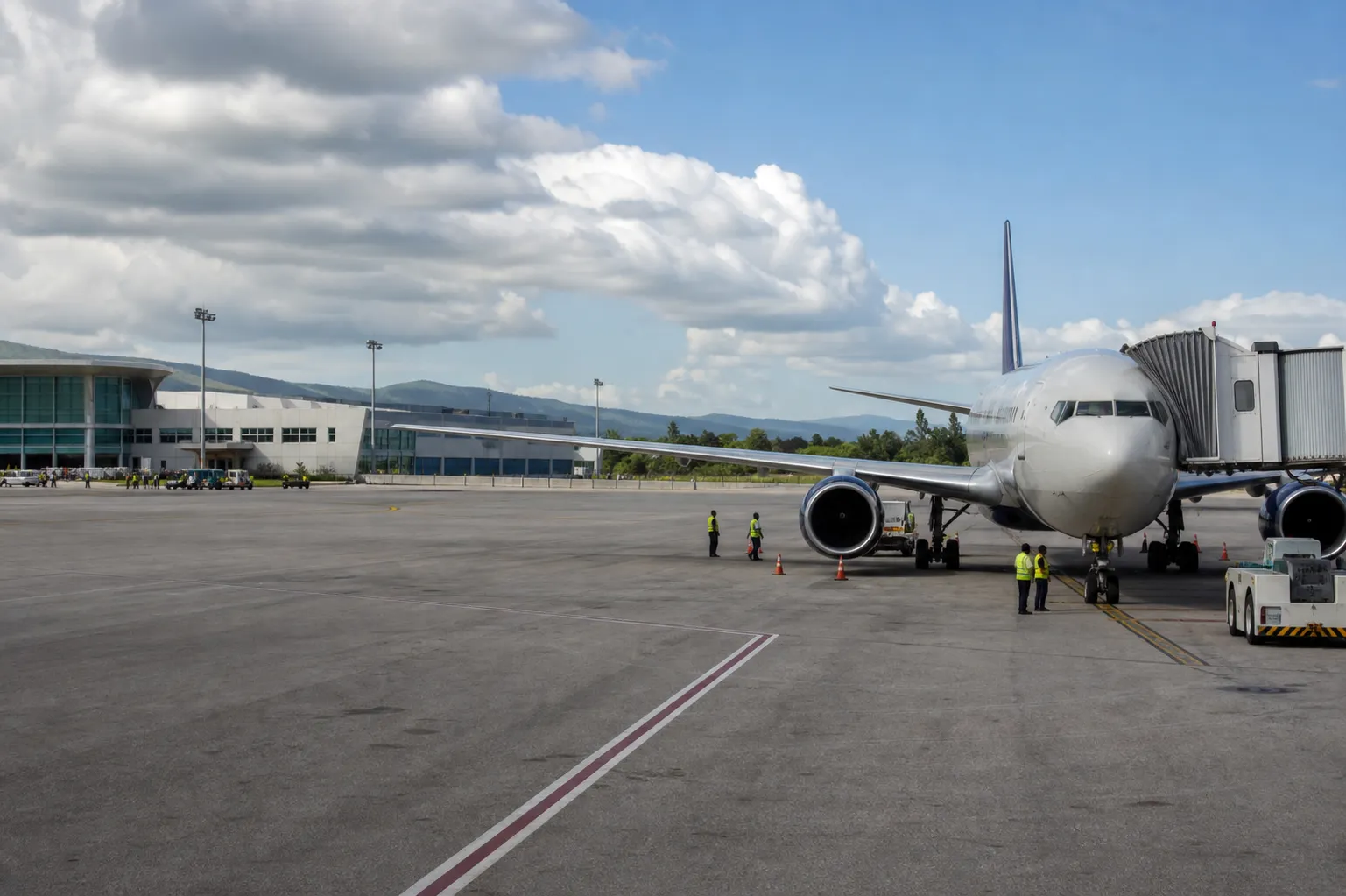
A charter flight operated by U.S. Immigration and Customs Enforcement (ICE) arrived in the city of Cap-Haïtien in northern Haiti, bringing more than 160 Haitian citizens. This is the first deportation flight to the country since Temporary Protected Status (TPS) for Haitians in the United States was terminated, according to The Guardian.
The plane landed in Cap-Haïtien, the country’s second-largest city. This arrival point was chosen due to security concerns in the area around the main international airport in the capital, Port-au-Prince. The U.S. government had banned commercial flights to the Haitian capital until early September due to ongoing gang violence.
According to the publication, the deportees were dressed in white, and many of them covered their faces as journalists filmed their arrival. Almost none of them agreed to speak with the media. Some people said they feared becoming targets of gangs, which, according to The Guardian, control about 70% of Port-au-Prince and significant areas beyond its borders.
The U.S. State Department has issued the highest travel advisory level for American citizens traveling to Haiti. The department urges people not to visit the country due to risks of crime, terrorism, kidnapping, unrest, and limited access to medical care.
For more breaking news, follow the UA.News Telegram channel.
The flight took place after the U.S. Supreme Court upheld the Trump administration’s efforts to end the TPS program. Earlier, federal Judge Ana Reyes in Washington had lifted the suspension of deportations. Introduced by the U.S. Congress in 1990, the TPS program theoretically protects people already in the U.S. if their country of origin has experienced a natural disaster, epidemic, armed conflict, or other extraordinary temporary circumstances.
According to the publication, the decision affected 350,000 Haitians and others who held the relevant legal status in the U.S. ICE has reportedly carried out eight flights from the U.S. to Haiti since the beginning of the year. In particular, on July 16, a flight carrying deportees with criminal records arrived in the country.
Jean Nego Boner Delva, Director General of Haiti’s National Migration Office, told the Miami Herald that among the passengers on this flight were also people born in Chile and the Dominican Republic who were sent to Haiti because one of their parents was of Haitian descent. According to The Guardian, the deportees were allegedly given the equivalent of $76.40. This is not enough for a plane ticket from Cap-Haïtien to Port-au-Prince, but it could help them get home via certain routes controlled by gangs.
Download our app
