

Tetteh to brief Security Council on Libya developments on August 18
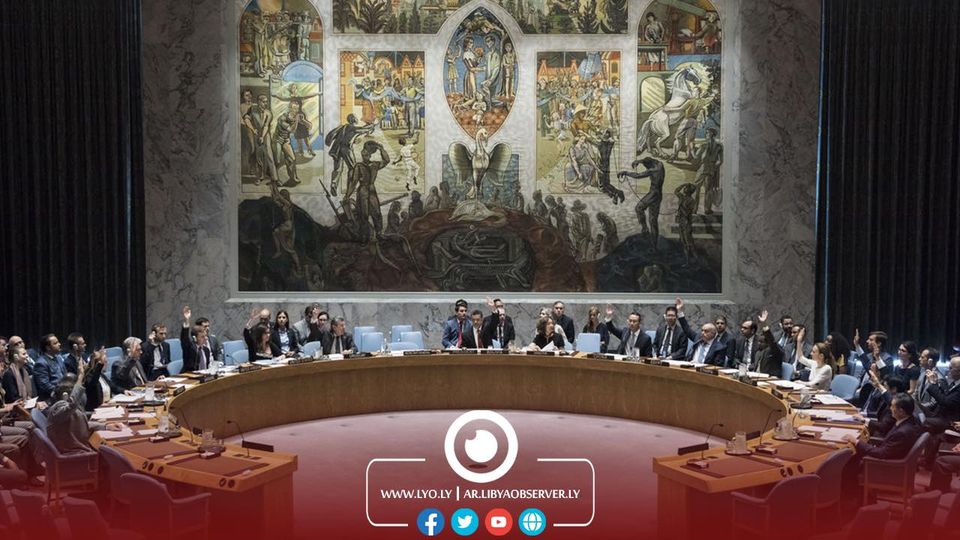
The UN Security Council is set to hold its regular briefing on Libya on August 18, during which UN Special Representative Hanna Tetteh will update members on the latest political, security, and humanitarian developments, in addition to presenting the UN Secretary-General’s latest report on the UN Support Mission in Libya (UNSMIL).
According to Security Council Report, the Council is also expected to receive a briefing on the work of the Libya Sanctions Committee established under Resolution 1970. Denmark, serving as the Council’s president for August, is expected to deliver the update, as a chair for the committee has yet to be appointed.
The report cites background information that refers to the intensive US diplomatic efforts, led by senior adviser Massad Boulos, saying they are aimed at brokering a power-sharing agreement among Libya’s main rival factions to unify state institutions and create conditions for increased US investment in the country’s energy sector.
The report also cites that the proposal, being discussed privately, would keep Abdul Hamid Dbiebah as prime minister of a unified government while elevating Saddam Haftar to the position of head of the Presidential Council with broad executive powers during a transitional period intended to reunify state institutions ahead of elections.
Supporters of the reported US initiative argue that it would help preserve stability, maintain oil production, and encourage the return of major US energy companies. Critics, however, describe it as an “opportunistic elite bargain” that entrenches the current power holders, undermines the aspirations of the Libyan people, and sidelines the UN-led political process.
It added that the reported US proposal places the Security Council in a difficult position because it goes beyond the framework of the 2015 Libyan Political Agreement. According to the report, countries such as Russia and China continue to insist that Libya’s political process must remain Libyan-led and be conducted through existing institutions, warning against externally imposed frameworks that could undermine stability.
Credit: Source link