

Tawakkol Karman: Her influence on political life in Yemen
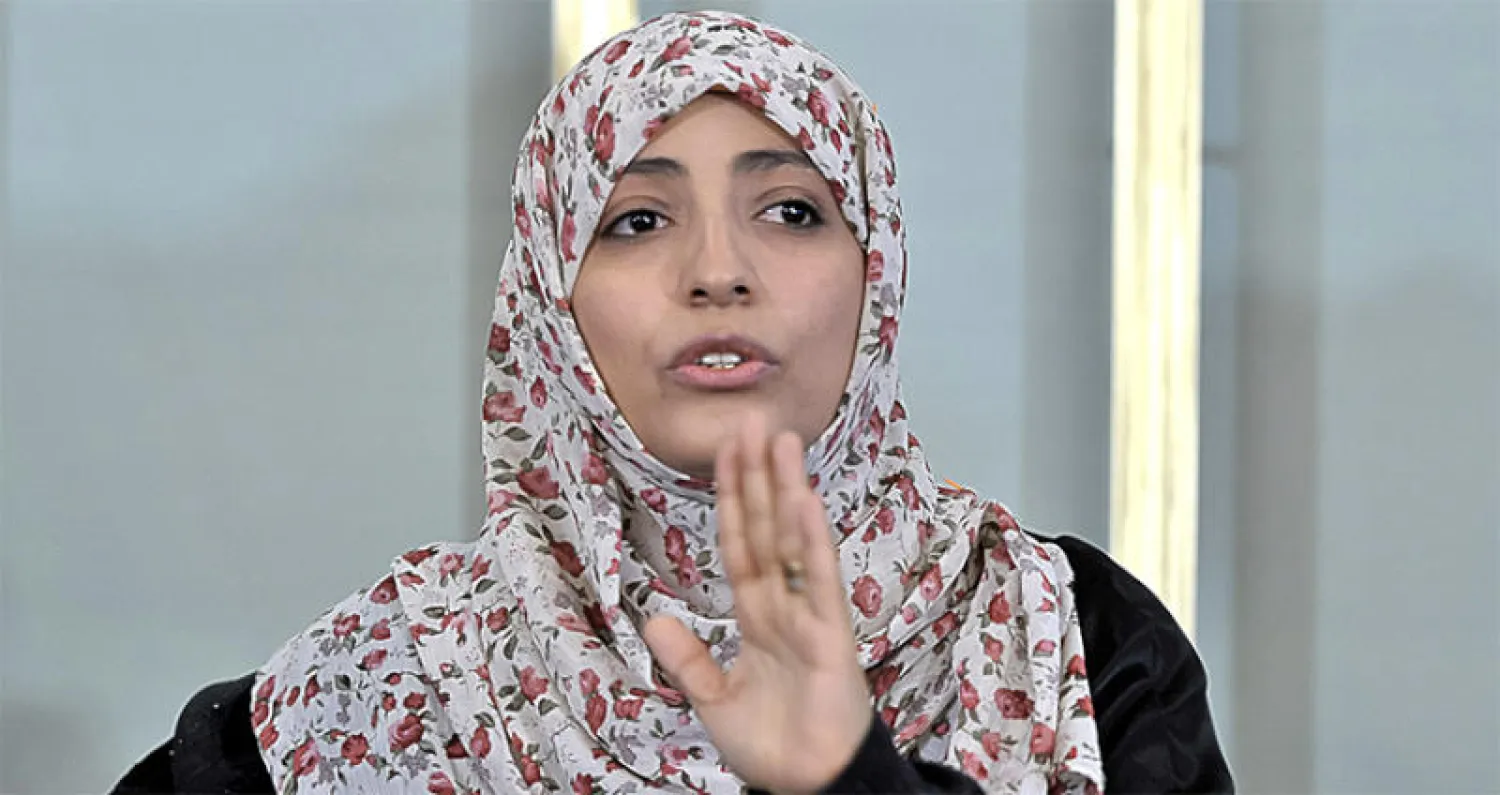
Aden, Yemen – Yemeni Nobel Peace Prize laureate Tawakkol Karman was prevented from briefing the UN Security Council on the situation in Yemen after objections within the Council prevented her participation in the session as scheduled. Media reports indicated that the objections were related, among other things, to the controversy surrounding Karman’s past political affiliation with the Yemeni Congregation for Reform (Islah Party). There was also debate about the party’s relationship to the Muslim Brotherhood and whether she should be considered an independent representative of Yemeni civil society. However, available statements regarding the incident did not include an official announcement from the Security Council stating that the decision to bar Karman was due to her affiliation with or connection to the Muslim Brotherhood.
Tawakkol Karman: From human rights activism to political work
Tawakkol Karman rose to prominence in the years leading up to the 2011 protests as an activist for press freedom and women’s rights. In 2005, she founded the organization “Women Journalists Without Chains.” Karman was also a member of the Yemeni Congregation for Reform (Islah), one of Yemen’s most prominent political parties. She participated in political life through Islah before becoming one of the leading figures in the 2011 protests against the regime of former Yemeni President Ali Abdullah Saleh. That same year, Karman was awarded the Nobel Peace Prize in recognition of her role in the peaceful struggle for women’s rights and political participation.
The Reform Party: A political entity with Islamic roots
The Yemeni Congregation for Reform (Islah Party) was founded in 1990, following the unification of Yemen. From its inception, it encompassed diverse currents and figures, including Islamists, tribal leaders, and political and social figures. Studies by international research centers indicate a historical influence of the Muslim Brotherhood on the Yemeni Islamist movement, and that a number of figures involved in Islah’s founding or political rise were influenced by Brotherhood ideology. However, these same studies distinguish between the Brotherhood’s intellectual and historical influence within the party and the assertion that Islah is a directly affiliated organization with the international Muslim Brotherhood.
The roots of the relationship between the Muslim Brotherhood and the Yemeni Islamic movement
The roots of the Muslim Brotherhood’s influence in Yemen extend back decades before the founding of the Islah Party. The Brotherhood’s ideology was introduced to Yemen through a number of individuals who had studied or lived in Egypt and were influenced by the Islamist movement there. As the Yemeni Islamist movement developed, political, social, and educational networks formed, which later contributed to the emergence of organized Islamist currents. With the establishment of the Islah Party in 1990, it became the most prominent political framework, encompassing broad segments of these currents, along with social and tribal forces and independent political figures.
Tawakkol Karman’s membership was suspended in February 2018
The Islah Party announced the suspension of Tawakkol Karman’s membership following sharp political stances and statements made by the Yemeni activist regarding the developments of the war and the political situation in the country. The party emphasized at the time that Karman’s positions did not represent its official stance.
Why has Karman’s background become a point of contention in the Security Council?
Karman’s political background is particularly significant when assessing her participation in the Security Council sessions, as the briefing she was scheduled to deliver concerned the situation in Yemen. Her presentation was to be framed within the context of civil society. Her past membership in the Islah Party raises a political question about the extent to which her human rights and international activism can be separated from her party history, especially given Islah’s historical ties to Islamist movements with ideological links to the Muslim Brotherhood. Conversely, Karman’s Nobel Peace Prize and her years of continuous human rights work constitute a fundamental part of her international image. This makes her political characterization a point of contention between her supporters and critics.