

Surviving The Heat – Jamaica Observer
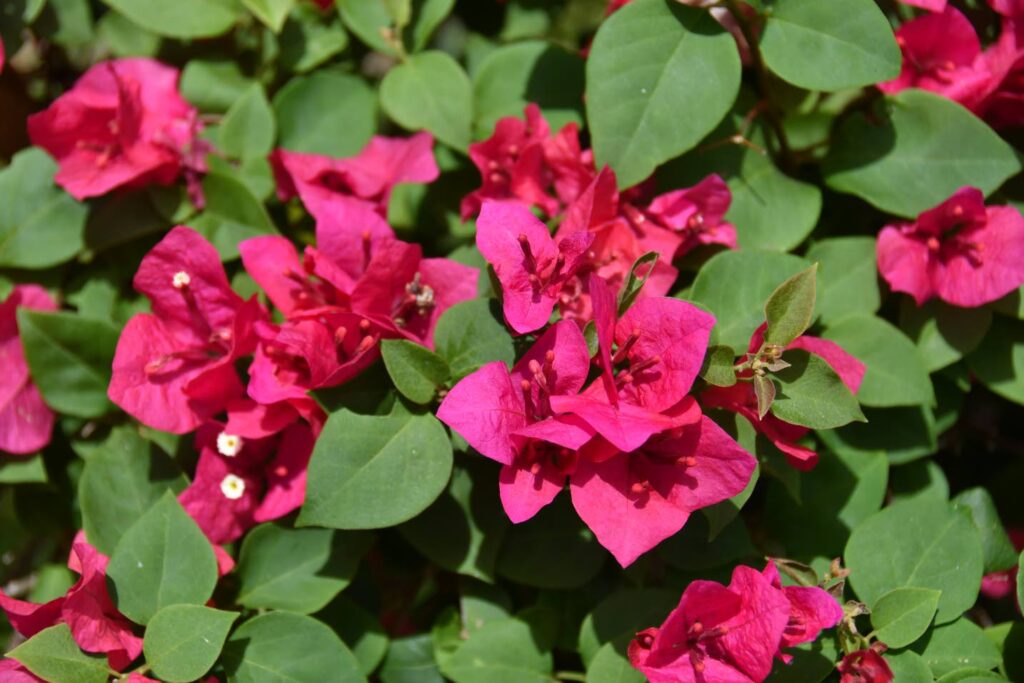
Bougainvilleas develop extensive root systems that reach deep into the soil for moisture, making them a drought-tolerant option. (Photo: Garfield Robinson)
Soaring temperatures mean a tough summer season for delicate greenery, as thirsty plants buckle under extended dry spells and the scorching rays of the sun. Style Observer Gardening (SOG) offers expert insight from Plantology876 principal Stacy Thompson to keep those outdoor sanctuaries thriving.
Take Proactive Measures
With hotter, drier spells becoming the norm across the island, Thompson stresses that gardeners cannot afford to be reactive.
“One of the biggest mistakes home gardeners make is waiting until plants look stressed before taking action. By the time leaves begin to wilt, the plant has already been under significant stress,” Thompson warned.
Thompson’s approach centres on smart, preventive care by highlighting three core practices: Mulching beds with two to four inches of organic matter — like coconut husk, wood chips, or grass clippings to keep root zones cool and weed-free; shifting watering routines to before 8:00 am to minimise evaporation loss; and pausing heavy fertilisation, as stimulating fresh growth increases water demand and overburdens plants already coping with high temperatures.
Watering in the early morning helps minimise evaporation loss, ensuring moisture reaches the roots before the heat sets in.
Drought-Tolerant Plants
Many plants across Jamaica thrive on minimal water once established. The secret lies in selecting naturally adaptable species — such as snake plants, crown of thorns, desert rose, moss rose, lantana, vetiver grass, and crotons. These hardy varieties are ideal, Thompson explains, precisely because of their remarkable, natural ability to store and conserve moisture
“Plants like bougainvilleas develop extensive root systems that search deeply for moisture, while others have waxy or leathery leaves that reduce water loss,” Thompson advised. “Some species also have smaller leaves or protective coatings that minimise evaporation.”
Drought-tolerant plants aren’t entirely self-sufficient from day one. Thompson emphasises that new additions need consistent watering to establish strong roots. Once mature, however, they require a fraction of the care and water demanded by typical ornamental plants.
Compost-rich soil acts like a sponge for moisture, keeping root zones comfortably hydrated well between deep soakings.
Managing Inconsistent Water Supply
With water lock-offs posing an ongoing challenge, efficient water management is just as vital as choosing the right plants. Rainwater harvesting offers a simple solution to unpredictable utility supplies, by installing gutter-linked drums or storage tanks to capture run-off. Additionally, using watering cans, drip irrigation systems, or soaker hoses is far more efficient than spraying with an open hose, delivering water directly to the root zone with minimal waste. Pairing these targeted methods with compost-enriched soil boosts moisture retention, keeping plants hydrated for longer between waterings.
Ultimately, long-term resilience comes down to alignment with your environment. Thompson recommends reducing lawn space and incorporating a higher proportion of drought-tolerant trees and shrubs to better withstand ongoing water scarcity.
The crown of thorns is also a drought-tolerant option. (Photo: Garfield Robinson)
Plantology876 principal Stacy Thompson